Household bugs can be a nuisance, compromising both the hygiene and comfort of your home. Identifying these pests and understanding how to manage them effectively is the first step toward creating a pest-free environment. Below, we explore six common household bugs and practical ways to deal with them.
Expert Exterminator Clearwater FL: Tackling Ant Infestations
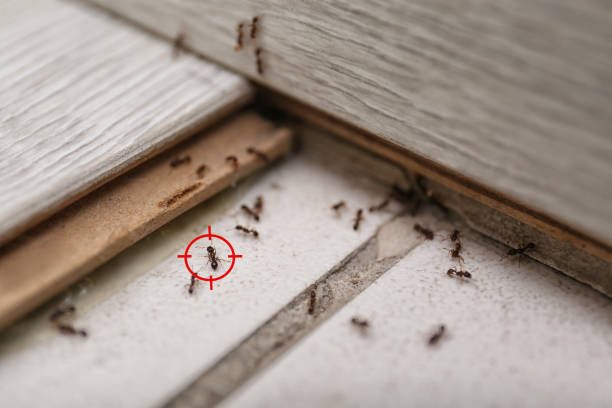
Ants are among the most persistent household pests. They often invade kitchens and pantries in search of food.
How to Identify:
– Small in size, typically ranging from 1/16″ to 1/2″ depending on the species
– Often seen following trails toward food sources
Effective Elimination Methods:
– Locate entry points and seal them with caulk or weatherstripping
– Use ant baits or traps to target colonies
– Keep surfaces clean of food crumbs or spills
Effective Cockroach Pest Removal in Clearwater FL
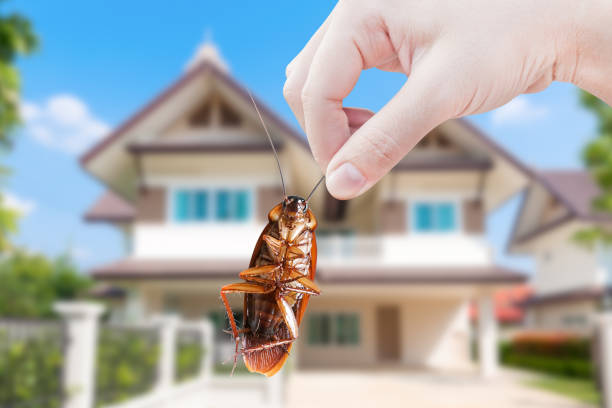
Cockroaches are not only unpleasant but also carriers of harmful bacteria that can pose health risks.
How to Identify:
– Brown, flat-bodied insects with long antennae
– Nocturnal habits; commonly found in dark, damp areas like kitchens or bathrooms
Elimination Tips:
– Store food in airtight containers
– Regularly take out the trash and avoid leaving dirty dishes overnight
– Use gel baits or apply boric acid powder around infested areas
1. Bed Bugs
Bed bugs are notorious for their ability to hide and their bites that often cause itchy welts.
How to Identify:
– Small, reddish-brown insects about the size of an apple seed
– Look for dark spots (fecal matter) on mattresses or sheets
Ways to Eliminate Them:
– Wash infested bedding/clothing in hot water and dry on high heat
– Use a vacuum cleaner along mattress seams and cracks in furniture
– Consider professional pest control if infestation persists
2. Spiders
While most spiders are harmless, their presence can be unsettling for many homeowners.
How to Identify:
– Eight-legged arachnids varying widely in size and color – Webs found in corners, ceilings, or undisturbed areas
Prevention & Control Measures:
– Regularly dust and vacuum corners where webs form
– Reduce clutter where spiders may hide
– Apply natural repellents like essential oils (e.g., peppermint oil) around entry points
3. Silverfish
Silverfish thrive in humid environments and feed on materials like paper, glue, or fabric.
How to Identify:
– Silvery-gray insects with elongated, tapered bodies resembling fish scales – Found near sinks, bathtubs, or dark cupboards
Control Solutions:
-Silica gel-based desiccants Cluttered CONTROL Moisture/humid…
Expert Tips from a Trusted Pest Control Company Clearwater FL to Protect Your Home from Pests
Protecting your home from pests is essential for maintaining a healthy and comfortable living environment. Whether you’re dealing with termites, ants, rodents, or other unwanted intruders, implementing reliable pest control solutions can help safeguard your property and prevent infestations. This guide provides key steps and strategies to keep pests at bay while ensuring the safety of your household.
Why Pest Control is Essential for Your Home
- Property Damage: Termites and carpenter ants can weaken wooden structures, while rodents may chew through electrical wiring, creating fire hazards.
- Health Concerns: Cockroaches and rodents spread diseases such as salmonella and hantavirus through contaminated surfaces or food.
- Food Contamination: Pests like pantry moths, ants, or weevils can compromise stored food supplies.
- Allergies & Asthma: Dust mites and droppings from certain pests can exacerbate respiratory conditions.
Reliable Pest Control Solutions for Common Problems
1. Ants
- Prevention Tips:
- Seal cracks in walls or windows.
- Ensure food is stored in airtight containers.
- Clean up crumbs or spills promptly.
- Elimination Methods:
- Use bait traps near entry points.
- Apply natural deterrents like vinegar or lemon juice along ant trails.
2. Rodents
- Prevention Tips:
- Plug small holes around the foundation with steel wool.
- Store garbage in tightly sealed bins.
- Elimination Methods:
- Place snap traps or electronic traps along walls where activity is observed.
- Consider ultrasonic pest repellents for non-invasive control.
3. Termites
- Prevention Tips:
- Reduce soil-to-wood contact around the foundation of your home.
- Eliminate excess moisture near wood structures by fixing leaks promptly.
- Elimination Methods:
- Schedule regular inspections with a professional exterminator.
- Use termite bait systems to eliminate colonies effectively.
4. Cockroaches
- Prevention Tips:
- Repair leaky faucets to reduce moisture levels that attract roaches.
- Declutter areas like basements or attics where roaches hide easily.
- Elimination Methods:
- Apply gel baits in dark corners or under sinks where roaches congregate.
- Use boric acid powder as an eco-friendly treatment option.
Choosing Between DIY vs Professional Pest Control
| Factors | DIY Approach | Professional Services |
| Severity of Infestation | Effective for minor issues | Ideal for severe infestations |
| Knowledge Required | Basic understanding of pests | Expertise in identifying & treating all types |
| Cost | Lower upfront costs | Higher initial cost but long-term savings |
| Safety | Risks if using incorrect methods | Ensures safe handling of chemicals |
While DIY efforts may work for smaller problems, persistent infestations often require professional expertise to ensure complete eradication and prevention.
Long-Term Maintenance Steps
- Perform seasonal inspections around the perimeter of your home for signs of infestations (droppings, nests).
- Regularly clean storage areas such as pantries to remove expired food items that attract insects.
- Keep vegetation trimmed away from exterior walls to reduce access points for bugs entering indoors.
By combining proactive prevention techniques with reliable pest control solutions tailored to your specific needs, you can protect both the integrity of your home and the well-being of its occupants effectively over time.
Effective Strategies to Get Rid of Household Pests Quickly and Safely
Household pests can be a persistent nuisance, posing risks to your health and property. Effectively managing pest infestations requires a strategic approach that prioritizes safety for both humans and pets. Below are detailed steps and methods to help you eliminate common household pests quickly and safely.
Identify the Pest Problem
- Ants: Trails along walls or counters, often near food sources.
- Cockroaches: Droppings (resembling coffee grounds), musky odor, or shed skins.
- Rodents (mice/rats): Chewed wires, droppings, or gnawed holes in walls.
- Bed Bugs: Rust-colored stains on bedding or visible bites on skin.
- Flies: Swarming near garbage bins or food sources.
- Spiders: Webs in corners, basements, or attics.
Proper identification will guide you in selecting the most suitable elimination techniques.
Use Targeted Elimination Methods
- Use ant bait stations with slow-acting poisons that workers carry back to colonies.
- Rodent traps (snap traps or glue traps) can be set in areas with signs of activity.
- Apply insecticides sparingly around entry points like windowsills for ants and cockroaches.
- Use bed bug-specific sprays on mattresses and furniture crevices.
- Sprinkle diatomaceous earth in cracks/crevices to eliminate crawling insects without harmful chemicals.
- Essential oils like peppermint repel spiders; mix with water as a spray solution.
- Remove stagnant water around your home to reduce mosquito breeding.
- Keep trash bins sealed tightly and dispose of waste regularly.
Focus on Preventative Measures
- Seal any cracks or gaps around doors, windows, pipes, or vents using caulk or weatherstripping.
- Store food in airtight containers to avoid attracting ants and rodents.
- Maintain a clean environment by regularly vacuuming floors and wiping down surfaces where crumbs may accumulate.
| Pest Type | Prevention Tips |
| Ants | Clean spills immediately; use vinegar-based sprays. |
| Cockroaches | Declutter spaces; repair leaky pipes promptly. |
| Rodents | Remove outdoor debris; install door sweeps on all entryways. |
| Bed Bugs | Avoid purchasing secondhand furniture without inspection; wash bedding frequently at high temperatures. |
When to Call Professionals
While DIY solutions can be effective for minor issues, severe infestations often require professional assistance for complete eradication without harm to your household environment.
Signs you may need professional help include: – Persistent infestations despite repeated efforts at control. – Structural damage caused by termites or rodents that poses safety risks. – Allergic reactions triggered by bites from fleas or other insects.
Hiring licensed pest control services ensures access to advanced tools such as thermal imaging for hidden infestations, fumigation techniques for large-scale problems, and eco-friendly pesticides tailored specifically for sensitive individuals.
By applying these strategies systematically while prioritizing safety measures at every step, you’ll not only rid your home of pests but also create an environment where they’re less likely to return.
How to Choose Customized Pest Control Services for Your Specific Needs
Finding the right pest control service is essential when dealing with infestations or taking preventive measures. Every home and pest problem is unique, and a one-size-fits-all solution rarely works. Opting for customized pest control services ensures that your specific needs are addressed effectively, safely, and efficiently. Below is a detailed guide on how to choose the right pest control service tailored to your requirements.
1. Assess Your Pest Problem
| Common Pests | Potential Issues | Typical Solutions |
| Ants | Damage to food supplies, nests in walls | Bait systems, spray treatments |
| Termites | Structural damage | Termite barriers, fumigation |
| Cockroaches | Spread of bacteria and allergens | Gel baits, sprays |
| Rodents (mice/rats) | Chewed wiring, contamination | Traps, rodenticides |
| Bed Bugs | Painful bites disrupting sleep | Heat treatment, chemical sprays |
| Spiders | Webs in corners, fear factor | Spot treatments |
By knowing the type of pest and extent of infestation you’re dealing with, you’ll be better prepared to discuss your needs with a professional service provider.
2. Research Local Pest Control Companies
- Certifications and Licensing: Verify that the company holds proper certifications from relevant authorities.
- Experience: Companies with years of experience are often better equipped to handle complex problems.
- Reputation: Check online reviews and ratings or ask friends/neighbors for recommendations.
- Guarantees: Some companies offer warranties or follow-up visits until your problem is resolved.
3. Evaluate Treatment Methods
- Eco-Friendly Options: If you’re concerned about chemicals affecting children, pets, or plants, inquire about organic or non-toxic treatments.
- Customized Plans: Some providers will inspect your property before offering a plan tailored specifically for your home’s layout or infestation severity.
- Preventive Measures: Look for companies offering long-term solutions such as sealing entry points or routine monitoring instead of only reactive treatments.
4. Request an Inspection and Quote
- Ask about which treatment methods will be used.
- Request a breakdown of costs (including follow-up visits if necessary).
- Inquire about preparation steps required on your end before treatment begins.
5. Compare Pricing vs Value
- Focus on value—what does the price include?
- Beware of companies offering unrealistically low prices as they might cut corners.
| Service Feature | Company A | Company B |
| Initial Inspection Fee | Free | $50 |
| Eco-Friendly Treatments? | Yes | No |
| Follow-Up Visits Included? | Yes | No |
6. After-Service Support
- Offering tips on preventive care.
- Ensuring follow-ups if pests reappear within their warranty period.
By following these steps carefully when selecting customized pest control services tailored specifically to meet individual household scenarios helps achieve long-lasting results while ensuring safety standards remain uncompromised throughout entire process
Understanding the Importance of Professional Pest Control for a Safe and Healthy Home
Pest infestations can pose serious threats to both the structural integrity of a home and the health of its occupants. While many homeowners may be tempted to tackle pest issues on their own, professional pest control services offer distinct advantages that ensure long-term safety and peace of mind. This article explores why professional pest control is essential for maintaining a safe and healthy living environment.
Health Risks Associated with Pests
- Rodents: Known carriers of diseases such as hantavirus, leptospirosis, and salmonella.
- Cockroaches: Their droppings and shed skin can cause asthma attacks and allergic reactions.
- Mosquitoes: Vectors for diseases like West Nile virus, dengue fever, malaria, and Zika virus.
- Bed Bugs: While not known for spreading disease, they cause itchy bites that can lead to secondary infections if scratched excessively.
Professional pest control ensures these risks are mitigated effectively through targeted treatments.
Structural Damage Caused by Pests
| Pest Type | Damage Caused |
| Termites | Can destroy wooden structures over time. |
| Carpenter Ants | Bore into wood to create nests. |
| Rodents | Chew through electrical wiring and insulation. |
| Powderpost Beetles | Reduce wooden materials to fine dust over time. |
Without proper intervention, these damages can lead to costly repairs.
Advantages of Hiring Professional Pest Control Services
- Expert Knowledge: Professionals understand pests’ behavior patterns and use this knowledge to develop effective treatment plans.
- Customized Solutions: Each home is unique; professionals offer tailored pest management strategies based on specific infestation types.
- Safe Use of Chemicals: Licensed pest control companies use EPA-approved chemicals in the right quantities to ensure safety for humans and pets.
- Long-Term Prevention: Professionals don’t just eliminate pests but also identify vulnerabilities in your home that need correction (e.g., sealing cracks or improving drainage).
- Time Efficiency: A professional exterminator resolves infestations faster than DIY efforts.
Steps Involved in Professional Pest Control Services
- Identify signs of infestation (droppings, nests, damage).
- Assess entry points like cracks or open vents.
- Determine the type of pest species present in your home.
- Create customized strategies using environmentally responsible methods tailored specifically for the problem at hand.
- Apply treatments around critical areas such as wall voids or foundations while ensuring minimal disruption inside your living space.
- Recommend preventive measures like regular maintenance checks or changes in landscaping practices (e.g., removing standing water).
By following these steps diligently, professional services provide lasting results.
Cost Considerations
While upfront costs may vary by region or severity of infestation, investing in professional pest control is often more economical than frequent DIY attempts followed by expensive repairs later on.
| Service Type | Average Cost Range (USD) |
| General Pest Control | $100-$300 per session |
| Termite Extermination | $500-$1,500 depending on size |
| Rodent Removal | $150-$450 per visit |
These costs often include warranties or follow-up visits for recurring issues.
Final Thoughts
A safe and healthy home starts with proactive measures against pests through reliable professional services that prioritize both prevention and elimination strategies over temporary fixes—ensuring long-term peace of mind while safeguarding your property value along with family well-being alike
Everything You Need to Know About Pest-Related Repair Services for Your Home
Pest infestations can cause significant damage to your home, often requiring repairs beyond simple extermination efforts. Addressing these issues promptly is essential not only to restore the structural integrity of your property but also to prevent future infestations. This guide explores common pest-related damages, repair strategies, and tips for maintaining a pest-free environment.
Common Types of Pest Damage in Homes
- Structural damage to wood, including beams, flooring, and furniture.
- Compromised foundation or support structures if left untreated.
- Chewed wires and insulation, increasing risks of electrical fires.
- Holes in walls or flooring created during nesting or burrowing activities.
- Hollowed-out wooden structures as ants establish nesting areas.
- Contamination of surfaces and belongings due to droppings and bacteria transmission.
- Accumulation of droppings leading to foul odors and health risks such as histoplasmosis.
- Damage to vents, roofing materials, or attic insulation.
Steps for Addressing Pest-Related Repairs
- Inspect the Damage Thoroughly
Conduct a comprehensive inspection with a qualified contractor or pest control specialist to identify all affected areas. - Prioritize Structural Integrity
Focus first on repairing structural damages that impact safety, such as weakened beams or compromised walls. - Replace Contaminated Materials
Remove damaged insulation, drywall, or wooden structures that may harbor bacteria or residual traces of pests. - Seal Entry Points
Repair cracks in walls, seal holes around pipes or wires, and install durable weather stripping on doors and windows. - Sanitize Affected Areas
Clean surfaces thoroughly using disinfectants after removing nests or droppings to eliminate odors and pathogens.
Repair Costs: What You Should Expect
| Type of Damage | Estimated Cost Range |
| Termite Structural Repairs | $1,000 – $5,000 |
| Rodent-Caused Electrical Fixes | $500 – $2,500 |
| Replacing Attic Insulation | $1,000 – $3,000 |
| General Sanitation & Cleanup | $200 – $600 |
Preventive Measures After Repairs
- Install mesh screens over vents and chimneys.
- Use caulking materials around windowsills.
- Trim tree branches away from your home’s exterior.
- Schedule regular pest control inspections with professionals.
Taking care of pest-related repairs is an investment in protecting your home’s value while ensuring it remains safe for you and your family. Proper prevention afterward will help sustain long-term results against future infestations.
Top Tips for Preventing Pests from Invading Your Home
Preventing pests from entering your home requires a combination of proactive measures, regular maintenance, and an understanding of how pests operate. By implementing simple yet effective strategies, you can safeguard your living space and avoid costly pest infestations. Below are practical tips to keep your home pest-free.
Seal Entry Points
One of the most effective ways to keep pests out is by sealing any potential entry points.
- Inspect doors and windows: Ensure they close tightly and repair any damaged screens. Use weatherstripping or caulking to seal gaps around windows and doors.
- Fill cracks and crevices: Check for cracks in walls, foundations, and near utility lines. Seal them with silicone-based caulk or expandable foam.
- Install door sweeps: Add sweeps to exterior doors to prevent crawling pests like ants or cockroaches from slipping under.
Maintain Cleanliness
A clean home is less attractive to pests as it reduces the availability of food sources.
- Clean up spills immediately: Food crumbs or liquid spills can attract ants, cockroaches, and rodents.
- Store food properly: Keep all food in airtight containers made of glass or thick plastic.
- Take out garbage regularly: Dispose of waste frequently and ensure trash bins have tight-fitting lids.
- Vacuum regularly: This helps eliminate crumbs, pet hair, and other debris that can attract insects.
Manage Moisture Levels
Many pests thrive in damp environments. Controlling moisture levels in your home can help deter common invaders like termites, silverfish, or mosquitoes.
- Fix leaky pipes or faucets promptly to eliminate water sources.
- Use a dehumidifier in areas with high humidity levels such as basements or bathrooms.
- Ensure proper drainage around the foundation of your home to prevent water pooling.
| Area of Concern | Action Needed |
| Leaking pipes | Repair leaks quickly |
| Humid basements | Use dehumidifiers |
| Standing water outdoors | Drain excess water from gutters/pots |
Landscaping Tips
Proper outdoor maintenance can also play a significant role in keeping pests away from your house.
- Trim branches and shrubs regularly so they don’t touch the home’s exterior (this prevents pests like ants or rodents from gaining direct access).
- Remove dead leaves, wood piles, or other organic debris near the house that could harbor insects such as termites.
- Keep mulch at least 12 inches away from the foundation to reduce shelter for pests like ants or earwigs.
Regular Inspections
- Check storage areas such as attics, basements, or garages for signs of pest activity (droppings, nests).
- Look for holes in window screens or deteriorated weather stripping.
- Inspect outdoor areas for signs of burrowing animals near foundations.
By following these preventive measures consistently over time, you’ll significantly reduce the likelihood of pest invasions—promoting a safer environment for you and your family without relying heavily on chemical solutions.
- Effective Pest Control Tips from a Trusted Exterminator Clearwater FL Residents Rely On
- Common Household Bugs and How Clearwater Pest Control Can Help Eliminate Them
- Finding a Reliable Pest Control Company Clearwater FL for a Healthy and Safe Home Environment
- Effective Clearwater Pest Control for a Safer and Healthier Environment
- Effective Clearwater Pest Control: A Comprehensive Guide to Identifying and Preventing Infestations
- Effective Clearwater Pest Control: A Comprehensive Guide to Identifying and Preventing Common Household Pests
- Effective Solutions Offered by a Pest Control Company Clearwater FL for Eliminating Pests
- The Limitations of DIY Pest Control and Why Hiring an Exterminator Clearwater FL is More Effective