
Household pests are more than just an inconvenience; they can pose health risks, damage property, and disrupt daily life. Understanding the most common household pests and how to prevent them is essential for maintaining a safe and comfortable home environment. Below is a detailed guide to help you identify these pests and take proactive measures to address their presence.
Common Household Pests
- Key Characteristics: Small bodies, sharp teeth, long tails.
- Signs of Infestation: Droppings, gnawed furniture or wires, scratching noises in walls or ceilings.
- Risks: Spread diseases such as salmonella and hantavirus; chew wires, creating fire hazards.
- Key Characteristics: Flat-bodied insects with six legs and long antennae.
- Signs of Infestation: Musty odor, droppings resembling coffee grounds, shed skins near hiding spots.
- Risks: Trigger allergies or asthma; contaminate food sources.
- Key Characteristics: Small insects that work in large colonies; some species destroy wood structures (e.g., carpenter ants).
- Signs of Infestation: Trails of ants or small piles of sawdust near wooden structures.
- Risks: Damage to wood structures; food contamination.
- Key Characteristics: White or light-brown insects often mistaken for ants but differ due to soft bodies and straight antennae.
- Signs of Infestation: Hollow-sounding wood, mud tubes on walls or foundations, discarded wings near windowsills.
- Risks: Severe structural damage that can compromise the integrity of homes.
- Key Characteristics: Small, oval-shaped reddish-brown insects typically found in mattresses and furniture crevices.
- Signs of Infestation: Red bite marks on skin, dark fecal spots on bedding or furniture.
- Risks: Skin irritation from bites; psychological distress due to nocturnal feeding habits.
- Key Characteristics: Eight-legged arachnids often found in corners or dark areas indoors. Indications Webbing beyond secluded small crevice trails
Identifying Pest Infestation Signs and How a Pest Control Company Clearwater FL Can Help
Pest infestations can cause significant damage to your property, health risks for your family, and a general sense of discomfort in your home. Identifying the early signs of pest activity is crucial for tackling the problem before it worsens. Below, we explore some common indicators of pest infestations and actionable steps to address them effectively.
Common Signs of Pest Infestation
- Rodents like mice or rats often leave behind small pellet-like droppings.
- Cockroaches produce dark smear marks in damp areas.
- You may also detect musty or oily odors from certain pests such as cockroaches or bed bugs.
- Gnawed furniture, wires, or insulation often points to rodents.
- Holes in wood structures indicate termites or carpenter ants at work.
- Spotting live insects (like ants or cockroaches) or rodents during daylight often signals a severe infestation.
- Rodents build nests using shredded paper, fabric, or insulation materials.
- Wasps create papery nests under eaves or inside wall voids.
- Scratching sounds behind walls, ceilings, or floorboards are often caused by rodents moving around at night.
How to Address Pest Infestations
Once you recognize an infestation, it’s important to act swiftly using effective strategies tailored to the type of pest problem you’re dealing with.
- Identify the Type of Pest: Determine whether you’re dealing with insects (e.g., ants), arachnids (e.g., spiders), or rodents like mice and rats. Proper identification ensures that the control methods you use are effective.
- Sanitation Measures: Keeping your home clean is one of the most critical steps in both addressing and preventing infestations:
- Remove food crumbs from surfaces.
- Clean spills promptly.
- Store food in airtight containers.
- Empty trash bins regularly.
- Seal Entry Points: Inspect your home for gaps around doors, windows, plumbing pipes, and foundation cracks: | Area | Solution | |——————|——————————| | Doors/Windows | Install weather stripping | | Foundation Cracks| Use caulk | | Vents | Add fine mesh screens |
- Use Traps & Deterrents: Deploy traps such as snap traps for rodents or sticky traps for crawling insects as an immediate solution for visible pests.
- Engage Professional Help When Necessary: If an infestation becomes unmanageable (e.g., termites actively damaging wood), contacting professional pest control services ensures thorough treatment while minimizing hazards.
Preventive Maintenance Post-Treatment
After addressing an existing infestation: – Regularly inspect high-risk areas like basements and attics. – Monitor humidity levels within your home since moisture attracts pests. – Schedule seasonal exterminator inspections if you live in regions prone to recurring pest issues.
By recognizing these early warning signs and taking swift action through effective interventions as outlined above, homeowners can maintain a safe and comfortable living environment year-round while minimizing long-term damage costs associated with unchecked pest problems.
Effective Strategies from an Exterminator Clearwater FL for Preventing Pesky Pest Infestations in Your Home
Preventing pest infestations in your home requires a proactive approach, combining cleanliness, home maintenance, and targeted deterrent strategies. Below is a detailed guide to help safeguard your living space from unwanted pests.
1. Maintain a Clean Environment
- Wipe down kitchen counters and tables after meals.
- Sweep or vacuum regularly to remove crumbs and debris.
- Empty trash bins daily to prevent odors that attract pests.
- Store dry goods like cereals, rice, and flour in airtight containers.
- Keep pet food sealed when not in use to avoid attracting ants or rodents.
- Avoid leaving dirty dishes in the sink overnight.
- Rinse plates thoroughly before placing them in the dishwasher.
2. Seal Entry Points
- Use caulk or weatherstripping around windows and doors.
- Repair torn screens on windows or vents.
- Plug holes around utility pipes with steel wool or foam sealant.
- Install door sweeps under exterior doors to block access for insects.
| Entry Point | Recommended Fix |
| Cracks in walls | Apply silicone-based caulk |
| Gaps around plumbing | Fill with steel wool or foam sealant |
| Broken window screens | Replace or repair screens |
3. Reduce Moisture Levels
- Fix leaky faucets, pipes, or drainage systems promptly.
- Use dehumidifiers in basements or other damp spaces.
- Improve ventilation by installing exhaust fans in bathrooms and kitchens.
4. Outdoor Maintenance
- Trim bushes, trees, and shrubs so they don’t touch the house; they can act as bridges for insects.
- Remove standing water near the property by emptying birdbaths or unclogging gutters.
- Store firewood at least 20 feet away from your home’s foundation.
5. Adopt Preventive Treatments
- Use essential oils like peppermint oil for spiders or citrus sprays for ants.
- Sprinkle diatomaceous earth along baseboards to deter crawling insects.
- Apply insecticide sprays around door frames and windows as a barrier.
- Use baits for specific pests such as cockroaches or ants.
By incorporating these strategies into your household routine, you can create an environment that is less appealing to pests while maintaining a healthy living space for you and your family. Regular monitoring combined with preventive measures ensures long-term protection against potential infestations.
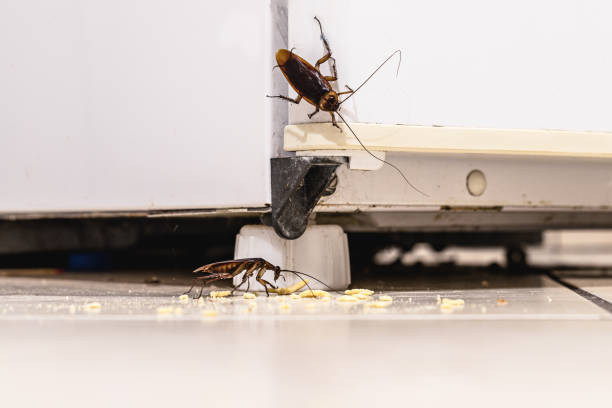
Effective Pest Removal Clearwater FL: Exploring Natural and Chemical Deterrents
When it comes to managing pests in your home, the debate between natural and chemical deterrents is ongoing. Both options have their advantages, and understanding how to use them effectively can help you create a safer, pest-free environment. Below is an exploration of both methods, including their benefits, limitations, and practical applications.
Natural Pest Deterrents
Natural pest control methods rely on eco-friendly and non-toxic solutions that are safe for humans, pets, and the environment. These methods are particularly popular among households looking to avoid chemical exposure.
Common Natural Solutions:
– Essential Oils: Certain essential oils like peppermint, eucalyptus, lavender, and citronella are known to repel pests such as ants, mosquitoes, and spiders. – Diatomaceous Earth (DE): A fine powder made from fossilized algae that dehydrates insects like cockroaches or bedbugs upon contact. – Vinegar Spray: A mixture of vinegar and water can deter ants or fruit flies from kitchen counters. – Herbs & Plants: Basil, mint, rosemary, and marigolds act as natural repellents when placed near windows or doorways.
Advantages of Natural Deterrents:
– Non-toxic: Safe for children and pets. – Environmentally friendly: Leaves no harmful residue or pollutants. – Cost-effective: Many natural solutions utilize household items.
Limitations:
– Time-consuming: May require frequent reapplication to remain effective. – Less impact on severe infestations: Natural solutions often work better as preventive measures than eradication tools.
Chemical Pest Deterrents
Chemical deterrents often provide immediate results due to their ability to target pests at various stages of life. They are commonly used in cases where infestations have already taken hold or when natural methods prove ineffective.
Types of Chemical Solutions:
| Product Type | Pests Targeted | Application Method | |———————–|—————————–|————————————-| | Insecticides | Ants, cockroaches | Sprays applied to cracks/crevices | | Rodenticides | Rats/mice | Bait traps or poison stations | | Fumigants | Bedbugs/termites | Gas treatment; requires sealing | | Larvicides | Mosquitoes | Used in stagnant water areas |
Advantages of Chemical Deterrents:
– High efficacy: Provides quick action against large infestations. – Long-lasting effects: Many products remain active for weeks after application. – Targets specific pests: Customizable solutions based on infestation type.
Limitations:
– Health risks: Potentially toxic if not used as directed. – Environmental concerns: Overuse can harm non-target species and pollute ecosystems. – Resistance development: Over time, some pests may adapt to certain chemicals.
Choosing the Right Approach
Deciding between natural or chemical deterrents depends on several factors such as the level of infestation, type of pest involved, household preferences (e.g., children/pet safety), and long-term sustainability goals. In many cases, an integrated approach combining both methods proves most effective.
Tips for Integrated Pest Management (IPM): 1. Start with prevention by sealing entry points like cracks or gaps in walls/windows. 2. Use natural repellents regularly to maintain a pest-resistant barrier indoors/outdoors. 3. If an infestation occurs despite preventive measures: – Begin with targeted chemical treatments in affected areas only. – Monitor pest activity after treatment before deciding on additional action.
By balancing safety with effectiveness through informed decision-making about deterrent types used at home—whether naturally sourced remedies or professional-grade chemicals—you can ensure sustainable pest control outcomes suitable for your living space needs.
Seasonal Pest Challenges: How Changing Seasons Impact Pest Activity and Prevention
Pest activity often fluctuates with the changing seasons, as various pests thrive in specific environmental conditions. Understanding how the seasons influence pest behavior is crucial for timely and effective prevention. By anticipating these challenges, homeowners can implement targeted strategies to protect their homes year-round.
Spring: A Season of Awakening Pests
- Ants: Colonies expand during spring, seeking food sources indoors.
- Termites: Swarming season for reproductive termites occurs in early spring.
- Mosquitoes: Eggs laid in stagnant water begin hatching.
Prevention Tips:
- Seal cracks and gaps in walls or foundations to block entry points for ants and termites.
- Eliminate standing water around your home to reduce mosquito breeding grounds.
- Trim back vegetation that touches the exterior of your home to limit access points.
Summer: Peak Activity for Many Pests
- Wasps and Bees: Colonies grow larger, increasing their activity around homes.
- Flies: Attracted by heat and accessible food sources during outdoor activities.
- Ticks: Active in wooded areas or tall grass.
Prevention Tips:
- Keep food covered during outdoor gatherings to deter flies.
- Regularly inspect pets and family members for ticks after spending time outdoors.
- Use wasp traps or deterrents near patios or decks but away from high traffic areas.
| Pest | Key Risk Areas | Suggested Action |
| Wasps & Bees | Near eaves or gardens | Remove nests carefully or hire a professional |
| Flies | Trash bins, kitchens | Use fly traps; dispose of waste promptly |
| Ticks | Grassy areas | Wear protective clothing; use tick repellents |
Fall: Preparing for Overwintering Pests
- Rodents (mice, rats): Enter homes through small openings searching for warmth.
- Spiders: Move indoors to hunt other pests.
- Stink Bugs: Look for warmth inside walls or attics.
Prevention Tips:
- Inspect your home’s exterior for potential entry points like small holes or cracks.
- Use weather stripping around windows and doors to prevent entry.
- Store firewood away from the house as it can harbor bugs like stink bugs.
Winter: Dormancy vs Indoor Infestations
- Cockroaches: Thrive in warm indoor environments with access to food crumbs.
- House Mice: Nest indoors throughout winter, targeting stored food supplies.
Prevention Tips:
- Keep kitchen counters clean and free of crumbs that attract cockroaches.
- Use mouse traps or bait stations near suspected nesting areas such as basements or attics.
By tailoring pest control strategies based on seasonal behavior patterns, you can effectively minimize infestations throughout the year. This proactive approach not only protects your home but also ensures a healthier living environment.
- Effective Pest Control Tips from a Trusted Exterminator Clearwater FL Residents Rely On
- Common Household Bugs and How Clearwater Pest Control Can Help Eliminate Them
- Finding a Reliable Pest Control Company Clearwater FL for a Healthy and Safe Home Environment
- Effective Clearwater Pest Control for a Safer and Healthier Environment
- Effective Clearwater Pest Control: A Comprehensive Guide to Identifying and Preventing Infestations
- Effective Clearwater Pest Control: A Comprehensive Guide to Identifying and Preventing Common Household Pests
- Effective Solutions Offered by a Pest Control Company Clearwater FL for Eliminating Pests
- The Limitations of DIY Pest Control and Why Hiring an Exterminator Clearwater FL is More Effective