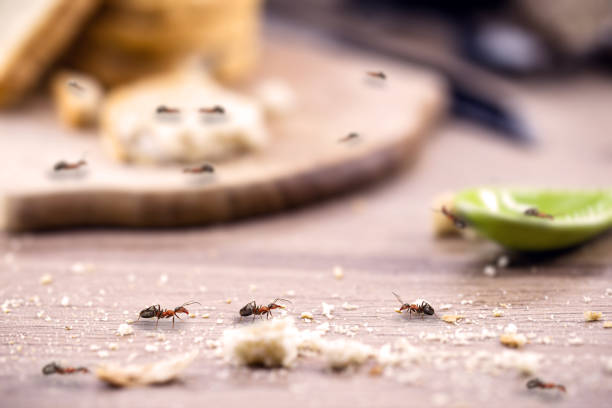
Household pests can cause significant discomfort, structural damage, and even health issues if left unmanaged. Being able to identify common pests and understanding how to prevent infestations is the first step in maintaining a safe and healthy home.
Effective Pest Removal Clearwater FL: How to Identify Common Household Pests
- Found near food sources, such as kitchens or pantries.
- Often travel in visible trails.
- Some species, like carpenter ants, can damage wooden structures.
- Typically active at night.
- Found near moisture or food sources (e.g., kitchens, bathrooms).
- Leave droppings that resemble coffee grounds or black pepper.
- Look for gnaw marks on furniture or wires.
- Droppings shaped like small pellets are a common sign.
- Scratching noises in walls or ceilings may indicate nesting activity.
- Wood that sounds hollow when tapped may indicate termite infestation.
- Mud tubes on walls or foundations are a key sign of subterranean termites.
- Tiny, reddish-brown insects often found in mattresses or furniture seams.
- Bites usually appear in clusters or lines on exposed skin during sleep.
Health Risks Associated with Household Pests
- Diseases – Cockroaches carry bacteria such as Salmonella and E. coli, while rodents can transmit Hantavirus through droppings.
- Allergies and Asthma – Dust mites and cockroach allergens can exacerbate respiratory issues.
- Bites and Stings – Bed bugs leave itchy bites; wasps or spiders may deliver painful stings.
- Food Contamination – Rodents and insects often contaminate food supplies by leaving droppings or shedding skin.
Preventing Pest Infestations
Cleaning Habits:
- Clean up crumbs immediately after meals.
- Dispose of garbage regularly in sealed bins.
- Avoid leaving dirty dishes overnight.
Home Maintenance:
- Seal cracks around windows, doors, and foundations to block entry points.
- Repair leaking pipes or faucets to eliminate moisture sources.
- Install mesh screens over vents to prevent insect access.
Food Storage:
| Type of Food | Optimal Storage Solution |
| Grains (e.g., rice) | Airtight plastic containers |
| Fresh produce | Refrigeration if applicable |
| Pet food | Sealed containers off the floor |
Final Thoughts on Pest Control
Understanding the behavior of common household pests is essential for effective prevention. By practicing proper hygiene, maintaining your home’s condition, and storing food securely, you can safeguard your living environment against unwanted intruders while minimizing potential health risks associated with infestations.
How a Pest Control Company Clearwater FL Can Help Prevent Health Risks and Structural Damages
Household pests are not just a nuisance; they can pose significant health risks and cause extensive structural damage to your property. Understanding these potential hazards is essential for maintaining both the safety of your family and the integrity of your home. Below, we explore some of the most common threats posed by pests, along with examples of how these issues can impact daily life.
Health Risks Associated with Pests
- Disease Transmission:
Certain pests are known vectors for infectious diseases, such as: - Rodents: Can transmit hantavirus, leptospirosis, and salmonella through their droppings or urine.
- Mosquitoes: Known carriers of diseases such as West Nile virus, dengue fever, Zika virus, and malaria.
- Cockroaches: Spread bacteria like E. coli and salmonella on surfaces they contact.
- Pest droppings, shed skin, or saliva (from cockroaches or dust mites) release allergens into the air that can exacerbate asthma or trigger allergic reactions in sensitive individuals.
- Stinging insects like bees or wasps may cause severe allergic reactions or even anaphylaxis in certain people.
- Bed bugs leave itchy welts on their victims; while they don’t spread disease directly, their bites can lead to secondary infections if scratched excessively.
- Fleas transmit parasites like tapeworms to pets or humans through bites.
Structural Damages Caused by Pests
Beyond health concerns, many pests are capable of causing substantial damage to the structure and contents of your home over time.
Wood-Destroying Pests
- They feed on wood cellulose, weakening support beams, floors, walls, and other wooden structures.
- Subterranean termites alone cause billions of dollars in property damage annually across the globe.
- Carpenter ants create tunnels inside wooden structures while building nests; though they don’t eat wood like termites do, their excavation weakens foundations over time.
Rodent Damage
- Rats and mice chew through drywall, electrical wiring (posing fire hazards), insulation materials, pipes, furniture upholstery—and even stored food packaging.
- Their nesting habits often lead to contamination in insulation or duct systems.
Other Structural Issues
- Cockroaches deposit grease stains on walls or ceilings while leaving droppings behind in storage spaces.
- Bird infestations (e.g., pigeons nesting in attics) may lead to roof damage due to accumulated droppings that corrode shingles over time.
| Pest Type | Common Damage | Potential Costs |
| Termites | Weakened wooden structures | Repairs could range from $3k–$8k+ per infestation |
| Rodents | Chewed electrical wiring/fires | Electrical rewiring costs vary but average $500–$2000+ |
| Cockroaches | Contaminated surfaces/grease stains | Moderate cleaning costs ($100–$500) depending on severity |
The Importance of Early Intervention
Whether it’s safeguarding your family’s health or preventing costly repairs down the line from structural issues caused by pests—it’s clear that proactive pest control measures are essential.
By identifying early warning signs (such as droppings/damage trails) while adopting preventive pest management practices regularly throughout each season—you can significantly reduce risk factors pertaining both directly tied indirectly tied harmful infestations impacting overall household well-being .
Effective Strategies for Preventing Pest Infestations in Your Home
Preventing pest infestations in your home requires a proactive and systematic approach. By addressing potential entry points, eliminating attractants, and maintaining cleanliness, you can significantly reduce the chances of pests invading your living space. Here are some effective strategies to help keep your home pest-free.
1. Seal Entry Points
Pests can enter your home through even the smallest cracks and crevices. Inspecting and sealing these openings is one of the most effective ways to prevent an infestation.
- Inspect doors and windows: Ensure all doors and windows close tightly, and use weather stripping or door sweeps where needed.
- Seal gaps around utility lines: Look for spaces around pipes, vents, and electrical lines that enter your home. Use caulk or steel wool to seal these gaps.
- Repair damaged screens: Torn window or door screens provide easy access for flying insects. Replace or repair them promptly.
- Fix foundation cracks: Check for cracks in the foundation and seal them with appropriate materials.
2. Maintain a Clean Environment
A clean home is less attractive to pests as it minimizes food sources and hiding spots.
- Proper food storage: Store food in airtight containers, especially pantry staples like grains, cereals, and pet food.
- Dispose of trash regularly: Empty trash cans frequently, ensuring lids are tightly secured to prevent attracting pests like ants or rodents.
- Clean up spills immediately: Even small crumbs or liquid spills can attract cockroaches or ants if left unattended.
- Vacuum regularly: Vacuum carpets, rugs, upholstery, and corners where dust or debris may accumulate.
3. Manage Moisture Levels
Excess moisture creates an ideal environment for many pests such as termites, mosquitoes, and silverfish.
- Fix plumbing leaks: Repair leaky faucets, pipes, or water fixtures without delay.
- Use dehumidifiers: In damp areas like basements or crawl spaces, dehumidifiers can help keep humidity levels under control.
- Maintain proper drainage: Ensure gutters are clear of debris to avoid water pooling near your home’s foundation.
4. Eliminate Outdoor Attractants
Your yard can serve as a breeding ground for pests if not properly maintained.
| Outdoor Tips | Why It Helps |
| Trim overgrown vegetation | Prevents insects from using plants as pathways |
| Keep firewood stored away from walls | Reduces hiding spots for termites |
| Remove standing water (e.g., birdbaths) | Limits mosquito breeding grounds |
| Maintain clean gutters | Prevents nesting areas above your home |
5. Monitor Regularly
Routine inspections play a crucial role in early detection of potential pest problems before they escalate into full-blown infestations.
- Set traps near entry points as early warning signs of rodents.
- Inspect dark spaces such as attics or basements periodically for signs of insects like spiders or cockroaches.
By combining these strategies with periodic professional inspections when needed (especially if you live in high-risk areas), you will create a strong defense against any common household pests trying to invade your space.

When to Call an Exterminator: Signs You Need Professional Pest Control Services
Proper pest management is essential to maintaining a healthy and safe home environment. While some minor pest issues can be addressed with DIY solutions, there are instances where professional extermination services become necessary. Below are the key signs that indicate it’s time to call an exterminator to ensure effective pest control.
Persistent Infestations
If you have tried multiple DIY and over-the-counter solutions but the pests keep returning, it may signal a deeper infestation that requires expert intervention. Pests such as termites, bed bugs, and cockroaches are particularly resilient and often require specialized treatments to eliminate them entirely.
Structural Damage
- Hollow-sounding wood: Often caused by termites weakening wooden structures.
- Chewed wires or insulation: Commonly associated with rodents like rats and mice.
- Sagging floors or ceilings: This might indicate hidden termite activity or water damage caused by pests.
Neglecting these issues not only compromises the safety of your home but can also lead to costly repairs in the future.
Health Risks
- Allergic reactions: Cockroaches, dust mites, and stinging insects like wasps can trigger allergies or asthma attacks.
- Bites or rashes: Bed bugs, fleas, and other biting pests can cause itchy welts on your skin.
- Contaminated food or surfaces: Rodents and cockroaches often carry bacteria such as Salmonella or E. coli.
Addressing these concerns through professional methods can help mitigate potential health hazards effectively.
Increased Pest Activity
- Frequent sightings of live pests during daylight hours (especially nocturnal species like cockroaches).
- Discovering droppings, shed skins, egg cases, or nests in hidden areas such as attics, basements, or behind appliances.
- Strange smells—rodents produce musty odors while bed bugs emit sweet yet unpleasant scents when present in large numbers.
Such signs suggest that the infestation may be larger than initially suspected.
Infestation of Dangerous Pests
| Pest Type | Example | Associated Risk |
| Stinging Insects | Wasps, Hornets | Severe allergic reactions |
| Venomous Spiders | Black Widows & Brown Recluses | Painful bites; tissue necrosis |
| Disease Carriers | Rodents | Spread diseases like Hantavirus |
If any of these high-risk pests take residence in your home, calling an exterminator promptly is highly advisable for safety reasons.
Preventative Measures by Professionals
Even if you don’t currently see evidence of an infestation but live in an area prone to certain pests (e.g., termites in humid regions), scheduling routine inspections with a certified exterminator can help prevent future problems. Professionals use advanced tools like thermal imaging cameras and moisture meters for early detection that isn’t possible through visual observation alone.
By recognizing these warning signs early on and seeking out qualified pest control services when necessary, you’ll be able to protect your home from unnecessary damage while ensuring the safety and well-being of your household members.
Safe and Effective Pest Control Solutions with an Exterminator Clearwater FL
Dealing with pests doesn’t always have to involve harsh chemicals or calling in professionals. Natural and DIY pest control solutions can be effective, safe, and environmentally friendly. This guide explores various methods to manage common household pests using items you may already have at home.
Benefits of Natural and DIY Pest Control
- Safety: Reduces exposure to toxic chemicals, making it ideal for households with children and pets.
- Cost-Effectiveness: Relies on inexpensive, common household items or ingredients.
- Eco-Friendly: Limits the use of synthetic pesticides that could harm beneficial insects or contaminate the environment.
- Convenience: Many natural solutions are easy to implement without special equipment.
Ants
Ants are one of the most persistent household pests. To deter them naturally:
– Vinegar Solution: Mix equal parts white vinegar and water, then spray it along ant trails or entry points. The strong smell disrupts their scent trails.
– Cinnamon: Sprinkle ground cinnamon near doorways, windowsills, and other entry points. Ants dislike its strong scent. – Lemon Juice: Squeeze fresh lemon juice in cracks or crevices where ants appear frequently.
Cockroaches
Cockroaches thrive in dark, humid places but can be controlled with these methods: – Baking Soda & Sugar Mixture: Combine baking soda with sugar in equal parts. Place small amounts near roach-prone areas; the sugar attracts them while the baking soda reacts with their digestive system. – Bay Leaves: Place bay leaves in kitchen cabinets or drawers as a natural repellent. – Soapy Water Spray: A simple mix of soap and water can kill cockroaches on contact.
Mosquitoes
Prevent mosquitoes naturally by targeting their breeding areas: – Eliminate Standing Water: Regularly empty birdbaths, flowerpots, and gutters where mosquitoes lay eggs. – Essential Oils Spray: Use essential oils like citronella, lavender, or eucalyptus diluted in water as a natural insect repellent for both indoors and outdoors. – Coffee Grounds: Sprinkle used coffee grounds into stagnant water to prevent mosquito larvae from maturing.
Rodents
To keep rodents out of your home: – Peppermint Oil: Soak cotton balls in peppermint oil and place them near entry points such as vents or holes in walls. – Steel Wool Blockage: Seal small gaps with steel wool—rodents cannot chew through it effectively. – Clutter Management: Reduce clutter around your home as it provides shelter for rodents.
Tips for Effective DIY Pest Control
Follow these best practices to improve success rates with natural pest control methods: 1. Maintain cleanliness by promptly removing food crumbs or spills that attract pests. 2. Seal cracks, crevices, and entry points around windows and doors to prevent access. 3. Store food securely in airtight containers to deter insects like ants or cockroaches. 4. Regularly dispose of garbage to avoid creating an environment conducive to pest infestations.
| Pest Type | Effective Solutions | Prevention Tips |
| Ants | Vinegar spray, cinnamon powder | Seal entry points; clean crumbs |
| Cockroaches | Baking soda & sugar mix; bay leaves | Reduce humidity; seal cracks |
| Mosquitoes | Essential oil spray; eliminate standing water | Use screens; empty containers regularly |
| Rodents | Peppermint oil; steel wool | Declutter spaces; block holes |
Natural pest control solutions are a practical way to maintain a safe living environment without relying heavily on chemical interventions. By identifying pest species early and implementing targeted strategies tailored to each type, you can successfully protect your home from unwanted invaders while promoting sustainability at the same time.
Seasonal Pest Control Strategies: Protecting Your Home from Pests Year-Round
Pests are not just a seasonal inconvenience—they can be a year-round problem if proper preventive measures are not taken. Different seasons bring different types of pests, each with unique behaviors and challenges. By understanding these seasonal trends and employing tailored pest control strategies, you can protect your home effectively throughout the year.
Spring: Addressing Emerging Pests
- Inspect for entry points: Check windows, doors, and foundations for cracks that may allow pests to enter your home.
- Eliminate standing water: Ensure gutters are clear, fix leaky pipes, and remove items that may collect rainwater to prevent mosquito breeding.
- Routine landscaping: Trim shrubs and trees near your home to reduce hiding spots for pests such as ants or rodents.
Summer: Managing High Activity Levels
- Use screens on windows/doors: Prevent flying insects like mosquitoes from entering your home by ensuring screens are intact.
- Secure trash bins: Outdoor garbage should be in tightly sealed containers to deter flies and rodents.
- Practice food safety outdoors: Store food properly during outdoor activities like barbecues or picnics to avoid attracting wasps or ants.
Fall: Preparing for Overwintering Pests
- Seal gaps: Inspect areas around pipes, vents, attic spaces, and foundations where rodents may enter; seal them with steel wool or caulking.
- Store firewood away from the house: Keep firewood at least 20 feet away from your home as it can provide both shelter and transport for wood-boring pests.
- Clean up leaves/debris: Rake fallen leaves regularly since they create ideal hiding spots for bugs close to the house.
Winter: Preventing Indoor Infestations
| Pest Type | Prevention Strategy |
| Rodents (Mice/Rats) | Use bait traps in attics/garages; store food securely |
| Cockroaches | Deep clean kitchens; eliminate crumbs/spills |
| Spiders | Vacuum corners regularly; remove webs |
Additionally: – Install door sweeps on exterior doors. – Reduce clutter in basements or storage areas where pests might hide.
Benefits of Year-Round Pest Control
Implementing seasonal pest control strategies ensures a proactive approach rather than reactive measures when infestations occur unexpectedly. Regular monitoring helps mitigate health risks associated with pest-borne diseases while protecting property from structural damage caused by termites or rodents.
By staying vigilant each season with specific prevention methods tailored to common threats at that time of year, you can maintain a safe and comfortable living space free of unwanted intrusions all year long.
- Effective Pest Control Tips from a Trusted Exterminator Clearwater FL Residents Rely On
- Common Household Bugs and How Clearwater Pest Control Can Help Eliminate Them
- Finding a Reliable Pest Control Company Clearwater FL for a Healthy and Safe Home Environment
- Effective Clearwater Pest Control for a Safer and Healthier Environment
- Effective Clearwater Pest Control: A Comprehensive Guide to Identifying and Preventing Infestations
- Effective Clearwater Pest Control: A Comprehensive Guide to Identifying and Preventing Common Household Pests
- Effective Solutions Offered by a Pest Control Company Clearwater FL for Eliminating Pests
- The Limitations of DIY Pest Control and Why Hiring an Exterminator Clearwater FL is More Effective