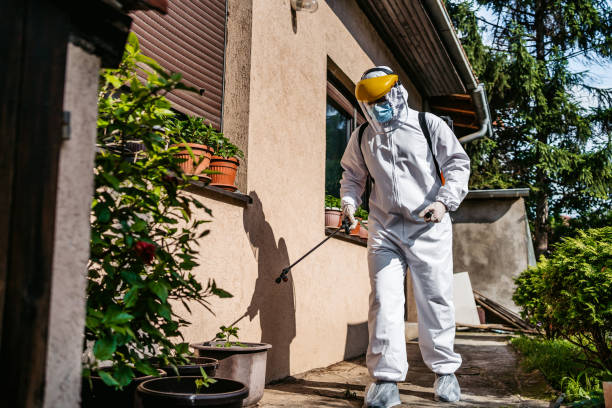
Rodents such as rats, mice, and squirrels may seem harmless at first glance, but their presence in homes, businesses, or surrounding areas can introduce significant health risks and structural damage. Effective control of wild rodent infestations is essential to maintain a safe, pest-free environment. Below is a guide to understanding the impact of rodent infestations and strategies for mitigating their risks.
How to Find the Best Exterminator Clearwater FL for Rodent Control
- Health Risks: Rodents spread harmful pathogens through their saliva, urine, droppings, and fur. Diseases such as hantavirus, leptospirosis, and salmonellosis have been directly linked to rodent exposure.
- Structural Damage: Rodent gnawing behaviors can compromise electrical wiring (increasing fire risks), insulation materials, wooden structures, and stored goods.
- Economic Losses: Businesses dealing with food storage or processing facilities face heightened risks if rodents gain access to inventory or machinery.
By addressing infestations promptly, homeowners and businesses alike reduce long-term costs associated with repairs or health-related complications.
Effective Pest Removal Clearwater FL: Tackling Rodent Infestations
- Poor sanitation practices (unsecured trash bins or spills).
- Cracks or openings in walls that allow easy entry points into buildings.
- Cluttered storage areas where rodents can nest undisturbed.
- Overgrown vegetation near the property that provides cover for movement.
Addressing these causes is the first step toward controlling infestations before they escalate.
Methods for Controlling Rodents
1. Sealing Entry Points
One of the most critical steps involves identifying and sealing all possible entry points around your home or business. Use durable materials like steel wool combined with caulking to block small gaps since rodents can chew through softer substances like plastic foam.
2. Implementing Trapping Techniques
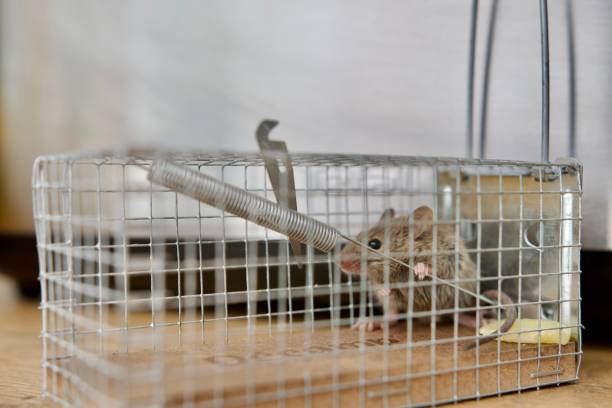
Traps are an effective form of non-toxic rodent control when placed correctly: – Snap traps: Ideal for smaller populations; place traps along walls where droppings have been observed. – Live traps: Allow humane capture and release but require strategic placement.
3. Using Bait Stations Responsibly
Rodenticides should be used cautiously due to potential risks posed to pets or non-target wildlife species.
| Rodenticides Type | Characteristics |
| Anticoagulants | Cause internal bleeding over time |
| Acute toxicants | Act quickly but may raise safety concerns |
Always ensure bait stations are tamper-proof if used in residential areas with pets or children present.
4. Encouraging Natural Predators
Encourage natural predators like owls by installing nesting boxes near outdoor spaces—this eco-friendly approach reduces reliance on chemical interventions over time.
Long-Term Prevention Tips
Effective prevention requires continuous effort rather than one-time solutions: 1. Regularly inspect your property’s foundation for new cracks/holes. 2. Store food items using airtight containers instead of cardboard packaging. 3. Keep outdoor garbage bins tightly sealed at all times. 4. Trim back trees/shrubbery away from roofs/windowsills reducing potential climbing routes towards interior spaces. 5.Clean kitchen counters daily ensuring crumbs/spilled liquids aren’t left overnight attracting pests nearby likely .
Creating safer healthier environments begins w/consistent vigilance
What to Know About Effective Pest Control Strategies
Effective pest control is a critical aspect of maintaining a safe and hygienic environment in both residential and commercial spaces. By understanding the principles behind proper pest management, you can minimize the health risks, property damage, and discomfort caused by pests like rodents, insects, and other invasive species. Below is an overview of key strategies to effectively manage pest issues.
1. Adopt an Integrated Pest Management (IPM) Approach
- Identification: Properly identifying the pest species to determine the best course of action.
- Monitoring: Regular inspections to track pest activity and population levels.
- Prevention: Addressing factors that attract pests, such as food sources, water, and shelter.
- Mechanical controls (traps or barriers).
- Biological controls (introducing natural predators).
- Chemical controls (pesticides used as a last resort).
2. Seal Entry Points
- Cracks in walls or foundations.
- Gaps around windows or doors.
- Openings around plumbing pipes or utility lines.
Use caulk, steel wool, or weather-stripping to seal these entryways.
3. Maintain Cleanliness
- Regularly clean floors, countertops, and appliances.
- Store food in airtight containers.
- Dispose of garbage promptly in sealed bins.
- Declutter storage areas where pests may hide.
A clean environment makes it less appealing for pests to settle in your space.
4. Implement Proper Waste Management Practices
| Waste Type | Disposal Method | Frequency |
| Food Waste | Use sealed bins with lids | Daily |
| Recyclables | Rinse containers before storing | Weekly |
| Yard Waste | Compost securely if allowed | As needed |
Proper waste management reduces access to food sources for pests.
5. Use Safe Chemical Treatments When Necessary
- Always follow manufacturer instructions carefully.
- Choose products labeled safe for use in residential settings.
- Keep pesticides out of reach of children and pets.
- Consider hiring licensed professionals for large-scale infestations.
6. Schedule Routine Inspections
- Conduct annual inspections at minimum.
- Increase frequency if located near wooded areas or other high-risk zones.
Professional assessments help detect early signs of infestations before they escalate into serious problems.
By combining preventive measures with strategic intervention when necessary, managing pest issues can be achieved effectively without harming the environment or disrupting daily life.
Understanding the Diseases Spread Directly by Rodents and Their Impact on Health
Rodents may seem like small, harmless creatures, but their presence often leads to significant health risks, especially due to the diseases they spread directly to humans. Understanding these diseases is crucial for maintaining a safer living and working environment.
Common Diseases Spread Directly by Rodents
- Cause: Hantaviruses in rodent droppings, urine, or saliva.
- Transmission: Inhalation of airborne particles contaminated with rodent waste.
- Symptoms: Fatigue, fever, muscle aches initially progressing to severe respiratory distress.
- Cause: Bacteria (Leptospira species) found in rodent urine.
- Transmission: Direct contact with water or soil contaminated by infected urine.
- Symptoms: Fever, nausea, vomiting, jaundice; severe cases may result in kidney or liver damage.
- Cause: Bacteria Streptobacillus moniliformis or Spirillum minus from rodent bites or scratches.
- Transmission: Through bites, scratches, or consumption of food/water contaminated by rodents.
- Symptoms: Fever, rash, vomiting; untreated cases can lead to complications like endocarditis.
- Cause: Salmonella bacteria present in rodent droppings contaminating food surfaces.
- Transmission: Ingestion of contaminated food or water.
- Symptoms: Diarrhea, abdominal cramping, fever lasting several days.
How These Diseases Impact Health
| Disease | Primary Symptoms | Possible Complications | High-Risk Groups |
| Hantavirus | Respiratory distress | Respiratory failure | Individuals exposed to rural areas |
| Leptospirosis | Jaundice | Organ damage including liver/kidney failure | Farmers and outdoor workers |
| Rat-Bite Fever | Rash and joint pain | Systemic infections like endocarditis | Children and immunocompromised individuals |
| Salmonellosis | Severe diarrhea | Dehydration | Elderly individuals |
Risk Factors for Rodent-Related Disease Exposure
- Living in homes with known rodent infestations.
- Working in agriculture or construction where exposure is likely.
- Consuming improperly stored food susceptible to contamination.
- Failing to use adequate protection during pest control efforts.
Steps for Mitigating Risks
- Seal gaps and holes in walls where rodents may enter your home.
- Use airtight containers for food storage.
- Regularly clean areas prone to rodent activity such as basements and attics.
- Utilize gloves while cleaning up droppings or handling traps.
- Contact professional pest control services if infestations persist.
By being informed about these diseases and adopting preventive measures at home and workspaces, you can effectively reduce health risks associated with direct exposure to rodents—creating a safer environment for everyone involved.
How a Pest Control Company Clearwater FL Can Help Prevent Diseases Spread by Rodents
Rodents are not just a nuisance; they can indirectly spread numerous viral, bacterial, and parasitic diseases through intermediaries such as fleas, ticks, and mites. Understanding these pathways is crucial to preventing health risks associated with infestations. Below is an overview of how these diseases are transmitted and their potential consequences.
Indirect Transmission Pathways
- Fleas: Rodents often carry fleas that can bite humans or pets. Flea bites may transmit pathogens such as Yersinia pestis, the bacterium responsible for plague.
- Ticks: Ticks feeding on rodents can acquire and transmit Lyme disease or Rocky Mountain spotted fever to humans.
- Mites: Mites living on rodents can leave their hosts to infest human living spaces, spreading diseases like scrub typhus.
- Contaminated Surfaces: Rodent hair, feces, or urine may carry disease-causing agents that transfer indirectly when humans come into contact with contaminated surfaces.
Diseases Commonly Spread Indirectly
| Disease | Vector | Symptoms | Long-term Effects |
| Plague | Fleas | Fever, chills, swollen lymph nodes | Fatal if untreated |
| Lyme Disease | Ticks | Fatigue, joint pain, rash | Chronic arthritis or neurological issues |
| Tick-borne Relapsing Fever | Ticks | Recurring fever episodes | Organ damage in severe cases |
| Scrub Typhus | Mites | Headache, muscle pain, rashes | Multi-organ failure if untreated |
Risk Factors for Indirect Disease Spread
- Poor Sanitation: Rodents thrive in areas with abundant food waste and cluttered spaces where fleas and mites can also proliferate.
- Proximity to Wildlife: Properties near wooded areas or agricultural fields are at higher risk due to increased rodent activity.
- Pet Exposure: Pets that roam outdoors may bring vectors like fleas or ticks into homes.
- Severe Climate Conditions: Harsh winters or floods drive rodents indoors seeking warmth and shelter.
Prevention Tips
- Seal entry points such as gaps around doors and windows.
- Use traps or professional pest control services to handle active infestations.
- Regularly clean floors and countertops where rodent activity might occur.
- Store food in tightly sealed containers.
- Treat pets with vet-recommended flea/tick prevention solutions.
- Inspect your property for signs of nests or activity from fleas and mites.
By recognizing these risks and implementing preventative measures effectively, you can reduce both rodent populations and the potential health hazards associated with them.
How Viral, Bacterial, and Parasitic Diseases are Spread Indirectly by Rodents
Rodents, while small in size, pose a significant threat to public health as vectors of various diseases. They can indirectly spread illnesses through intermediaries such as fleas, ticks, and mites or via contamination. Understanding these indirect transmission pathways is essential for taking proactive pest control measures that protect your environment.
Pathways of Indirect Disease Transmission by Rodents
- Fleas
Fleas that infest rodents like rats or mice can jump to humans or pets and transmit diseases. Common examples include: - Bubonic Plague: Caused by Yersinia pestis bacteria, often spread when fleas feed on an infected rodent and then bite a human host.
- Murine Typhus: A bacterial infection transmitted similarly through flea bites.
- Ticks
Rodent habitats are often breeding grounds for ticks that attach to these animals before finding human hosts. Diseases associated with ticks that originate from rodents include: - Lyme disease
- Tick-borne relapsing fever
- Mites
Mites that parasitize rodents may also act as vectors for viral illnesses or cause skin irritations in humans after transferring from their primary hosts. - Contaminated Food and Water
Rodents frequently contaminate food supplies with their feces, urine, or saliva. This contamination can lead to indirect disease transmission such as: - Salmonellosis: A bacterial infection originating from contact with rodent-contaminated food products.
- Leptospirosis: Caused by bacteria shed in the urine of infected rodents into water sources.
Examples of Diseases Spread Indirectly
| Disease Name | Pathogen Type | Primary Vector | Symptoms |
| Bubonic Plague | Bacteria (Yersinia pestis) | Fleas on rodents | Fever, swollen lymph nodes |
| Lyme Disease | Bacteria (Borrelia burgdorferi) | Ticks | Fatigue, joint pain |
| Hantavirus Pulmonary Syndrome (HPS) | Virus | Airborne particles (via droppings) | Respiratory distress |
| Salmonellosis | Bacteria (Salmonella spp.) | Contaminated food/water | Diarrhea, abdominal cramps |
| Murine Typhus | Bacteria (Rickettsia typhi) | Fleas | Rash, fever |
Preventative Measures to Minimize Risks
- Seal all gaps and cracks in walls or foundations to prevent rodent entry.
- Maintain clean surroundings by promptly disposing of garbage and eliminating food spills.
- Store food items in sealed containers made of glass or metal rather than plastic materials susceptible to gnawing.
- Reduce clutter indoors and outdoors where rodents may hide or nest.
- Engage professional pest control services for routine inspections and treatments when needed.
The Importance of Early Intervention
Proactively addressing rodent infestations can significantly reduce the likelihood of exposure to vector-borne illnesses. By combining sanitary practices with effective pest control strategies—such as trapping methods or chemical deterrents—you create a safer environment while minimizing public health risks associated with indirect disease transmission caused by these pests.

Comprehensive Tips for Preventing Rodent Infestations in Your Home or Business
Rodent infestations can pose a serious risk to both property and health. Implementing preventative measures is crucial to maintaining a rodent-free home or business. Below, we explore comprehensive tips that help deter rodents from entering your spaces while minimizing risks of infestation.
Seal Entry Points
Rodents can squeeze through surprisingly small openings. To prevent entry:
– Inspect your property for gaps, cracks, and holes in walls, floors, and foundations.
– Seal openings with materials like steel wool, caulk, or metal mesh, as rodents cannot chew through these.
– Pay special attention to areas where utilities enter the building (e.g., around pipes and vents).
| Common Entry Points | Recommended Sealing Methods |
| Door gaps | Weatherstripping |
| Cracks in walls/foundations | Cement or silicone-based caulk |
| Vents | Fine metal mesh screens |
Maintain Proper Sanitation Practices
Rodents are driven by the search for food and shelter. Keeping your environment clean helps reduce their interest in colonizing your space:
– Store food items in airtight containers made of glass or metal.
– Remove crumbs and spills promptly from countertops and floors.
– Take out trash regularly and ensure bins have tight-fitting lids.
– Keep pet food stored securely when not in use.
Focus on Outdoor Areas
The condition of outdoor spaces can determine how likely rodents are to approach your property:
1. Trim vegetation regularly: Overgrown plants provide hiding spots for rodents near the building’s perimeter.
2. Store firewood properly: Keep firewood elevated at least 18 inches off the ground and away from walls.
3. Eliminate standing water: Reduce water sources by addressing clogged drains or leaky faucets outdoors.
Set Up Physical Deterrents
Using physical deterrents can prevent rodents from thriving near key areas: – Install door sweeps on exterior doors. – Use rodent-proof mesh on roof vents and chimney openings. – Place traps strategically in attics, basements, or garages if signs of minor activity exist.
Regular Inspections
Frequent monitoring allows early detection of potential issues: 1. Check storage areas for gnaw marks, droppings, or nesting materials. 2. Monitor walls for grease marks often left behind by rodent fur. 3. Inspect insulation damage that could indicate nesting activity over time.
By adopting these preventive strategies consistently, businesses and households alike stand a better chance at keeping their environments safe from unwanted rodent intrusions while reducing health risks associated with infestations.
The Connection Between Healthy Pets and Effective Pest Control Measures
Maintaining healthy pets is a critical yet often overlooked aspect of effective pest control. Pets can inadvertently attract pests or contribute to infestations if proper care and preventative measures are not taken. By fostering good pet hygiene, securing living spaces, and being aware of potential pest attractants, homeowners can create a safer environment for both pets and humans.
How Pets Can Attract Pests
- Fur as a Transport Medium: Fleas, ticks, and mites often latch onto pets as they spend time outdoors.
- Food Leftovers: Improperly stored pet food or leftover scraps from feeding areas can attract rodents, ants, cockroaches, and other unwanted pests.
- Waste Management Issues: Pet waste in the yard or litter boxes left unattended can draw flies, beetles, or other scavenger pests.
To combat these issues effectively, it’s crucial to integrate pet care into your broader pest control strategy.
Best Practices to Keep Your Pets Healthy While Reducing Pest Risks
- Brush pets frequently to detect fleas or ticks early.
- Use veterinarian-recommended flea/tick prevention treatments regularly.
- Bathe pets as needed to reduce odors that might attract pests.
- Store pet food in sealed containers made of durable materials like thick plastic or metal.
- Avoid leaving pet food out overnight as this can attract nocturnal pests such as rodents and cockroaches.
- Clean feeding areas daily to remove crumbs and spills.
- Scoop litter boxes daily and dispose of waste in sealed bags.
- Regularly clean outdoor spaces where dogs relieve themselves to prevent flies from breeding.
- Compost bins containing animal waste should be sealed tightly to avoid attracting scavengers like raccoons or rats.
- Schedule routine check-ups with your vet for early detection of conditions that could make your pets more susceptible to parasites.
- Vaccinate pets against diseases carried by common pests such as ticks and fleas.
Table: Comparison of Pest Prevention Methods for Homes with Pets
| Method | Benefits | Maintenance Frequency |
| Sealed Pet Food Storage | Prevents rodent access | Weekly |
| Grooming & Flea Treatment | Reduces risk of flea/tick infestations | Monthly |
| Waste Management Practices | Eliminates breeding grounds for flies | Daily |
| Vaccinating & Vet Checkups | Protects against pest-borne diseases | Annually |
Integrating Pet Health Into Broader Pest Control Strategies
Ensuring the health and hygiene of your pets plays a significant role in reducing overall pest activity within your home. Pairing these efforts with other critical measures—such as sealing cracks in walls, maintaining proper sanitation throughout the property, and using integrated pest management solutions—will enhance effectiveness. Additionally, always consult with professional pest control services if you suspect an infestation is beyond what you can manage on your own.
By focusing on both proactive pet care routines and holistic pest management practices, you’ll foster an environment where both people and animals thrive while keeping unwanted pests at bay.
The Connection Between Healthy Pets and Effective Pest Control Measures
Maintaining the health of your pets is not just crucial for their well-being but also plays a key role in ensuring effective pest control within your home. Rodents, fleas, ticks, and other pests can significantly impact the health of animals, which in turn may affect household hygiene. By prioritizing the health of your pets and integrating pest control measures into their care routine, you can create a safer and healthier living environment for both your family and furry companions.
Why Healthy Pets Are Key to Pest Prevention
- Strong Immune Systems: A healthy pet is less prone to illnesses caused by pests, reducing the risk of spreading diseases within your home.
- Reduced Attraction for Pests: Well-maintained pets with clean fur and skin are less likely to attract parasites like fleas or mites.
- Proactive Health Monitoring: Regular vet check-ups allow early detection of pest-related issues before they escalate.
Pet Care Practices That Support Pest Control Efforts
- Bathe pets regularly using veterinarian-approved shampoos.
- Brush their coats frequently to remove loose fur where pests might hide.
- Apply flea and tick preventives as prescribed by your veterinarian.
- Consider collars or topical treatments that repel parasites.
- Wash pet bedding weekly in hot water.
- Vacuum areas where pets spend most of their time, such as carpets and furniture.
- Check ears, paws, underbelly, and fur regularly for signs of fleas or ticks.
- Look out for excessive scratching or biting that could signal an infestation.
- Avoid walking pets in areas heavily infested with fleas or ticks.
- Keep lawns trimmed to reduce hiding spots for pests.
Potential Risks if Pet Health Is Overlooked
| Risk | Description | Impact on Household |
| Flea Infestations | Rapid reproduction of fleas can occur on neglected pets. | Can spread throughout carpets & upholstery. |
| Tick-Borne Illnesses | Ticks carried indoors can transmit Lyme disease or Rocky Mountain spotted fever. | Affects humans and animals alike. |
| Rodent Attraction | Unclean living conditions (e.g., spilled food) around pets attract rodents looking for food sources. | Leads to increased rodent activity. |
Integrating Pest Control into Overall Pet Wellness
- Work with a licensed pest control expert who understands how to safely address infestations without compromising your pet’s safety.
- Use non-toxic pest deterrents when possible to minimize risks associated with chemical exposure.
- Educate yourself on seasonal pest trends (e.g., tick activity during summer) so you can take preventive measures before problems occur.
By integrating these measures into everyday routines, you not only protect the health of your beloved pets but also contribute significantly toward creating a comfortable and pest-free living space for all members of your household.
- Effective Pest Control Tips from a Trusted Exterminator Clearwater FL Residents Rely On
- Common Household Bugs and How Clearwater Pest Control Can Help Eliminate Them
- Finding a Reliable Pest Control Company Clearwater FL for a Healthy and Safe Home Environment
- Effective Clearwater Pest Control for a Safer and Healthier Environment
- Effective Clearwater Pest Control: A Comprehensive Guide to Identifying and Preventing Infestations
- Effective Clearwater Pest Control: A Comprehensive Guide to Identifying and Preventing Common Household Pests
- Effective Solutions Offered by a Pest Control Company Clearwater FL for Eliminating Pests
- The Limitations of DIY Pest Control and Why Hiring an Exterminator Clearwater FL is More Effective