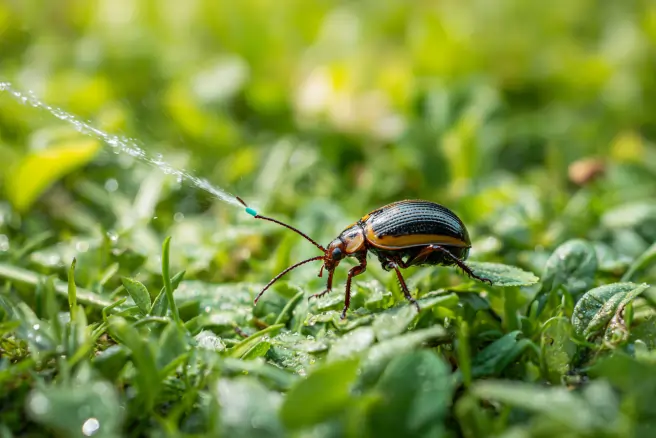
Dealing with pests can be a frustrating challenge for any homeowner. Whether it’s ants in the kitchen, rodents in the attic, or cockroaches hiding behind your appliances, pests can compromise the comfort, safety, and hygiene of your living space. This guide offers practical steps to eliminate pests effectively while maintaining a safe home environment.
Understanding Common Household Pests
- Ants: Often attracted by food crumbs and sweet substances.
- Cockroaches: Thrive in dark, damp areas like basements or behind appliances.
- Rodents (Mice and Rats): Enter homes in search of food and warmth through small cracks or holes.
- Termites: Silent destroyers that feed on wooden structures.
- Spiders: Typically drawn to undisturbed areas like closets or basements.
Understanding which pest you are dealing with will help determine the most effective elimination techniques.
Steps for Effective Pest Control
- Inspect entry points such as doors, windows, and vents for signs of pest activity.
- Look for droppings, chew marks on wires or furniture, nests, or damaged food packaging.
- Identify the species responsible to choose targeted treatment methods.
- Eliminate Food Sources
To deter pests from staying in your home: - Keep countertops clean and free from crumbs.
- Store dry goods such as cereals or flour in airtight containers.
- Empty trash bins regularly and use sealed garbage bags.
- Remove Water Sources
Many pests rely on water for survival: - Fix leaky pipes under sinks or behind walls.
- Address standing water around your property.
- Ensure proper drainage systems near foundations.
- Seal Entry Points
Preventing access is crucial: - Use weatherstripping on doors and windows.
- Seal cracks in walls or foundations with caulk.
- Cover vents with mesh screens to block insects.
- Deploy Targeted Treatments
Depending on the infestation type: - Use bait traps for ants or cockroaches placed along their travel paths.
- Apply diatomaceous earth (a natural product) around suspected pest hideouts like baseboards.
- Set snap traps for rodents in high-traffic areas such as near walls or behind appliances.
Preventive Measures for Long-Term Results
| Action | Purpose | Frequency |
| Deep cleaning | Removes attractants like spills/crumbs | Weekly |
| Decluttering storage areas | Limits hiding spots | Monthly |
| Inspecting outdoor spaces | Identifies breeding grounds | Seasonally |
Additional tips include trimming overgrown shrubs near windows to minimize insect access points and ensuring firewood is stored away from your house foundation.
By following these methods methodically, you can effectively eliminate most common household pests while preventing future infestations from occurring naturally over time without relying solely chemical-heavy interventions
Effective Pest Removal Clearwater FL: Practical Tips for a Pest-Free Home
Household pests can be a persistent problem, but with the right approach, creating a pest-free environment is achievable. Below are practical strategies to remove common household pests and maintain a clean, comfortable living space.
Identifying Common Household Pests
- Ants
Found near food sources and commonly seen in kitchens or pantries. - Cockroaches
These nocturnal pests thrive in warm, moist areas such as bathrooms or under sinks. - Rodents (e.g., mice and rats)
Known for chewing through belongings and contaminating food supplies. - Spiders
Typically found in dark corners or undisturbed areas like basements or attics. - Bedbugs
Small insects that hide in mattresses, furniture crevices, or bedding.
Each pest requires unique methods for removal and prevention.
General Pest Control Tips
- Wash dishes promptly after meals.
- Sweep floors regularly to remove crumbs or food debris.
- Take out trash daily and use sealed bins to discourage pests like flies or rodents.
- Inspect windows, doors, and walls for cracks or gaps.
- Use caulk to seal small openings where insects may enter.
- Install weather stripping on doors to prevent access.
- Keep all pantry items in airtight containers.
- Avoid leaving pet food out overnight.
- Fix leaky pipes promptly.
- Use dehumidifiers in damp spaces to deter moisture-loving pests like cockroaches.
- Minimize clutter where pests can hide, such as cardboard boxes or stacks of old newspapers.
Specific Pest Removal Methods
| Pest | Effective Solutions |
| Ants | Use bait traps near ant trails; wipe surfaces with vinegar-based solutions to disrupt trails. |
| Cockroaches | Apply gel baits in cracks; use boric acid powder around infested areas (out of reach of children/pets). |
| Rodents | Set snap traps along walls; consider ultrasonic repellents for larger infestations. |
| Spiders | Vacuum webs regularly; apply natural repellents like peppermint oil around entry points. |
| Bedbugs | Wash bedding at high temperatures; vacuum mattresses thoroughly; use mattress encasements to trap them over time. |
Natural Remedies for Pest Removal
- Sprinkle diatomaceous earth around baseboards for crawling insects like ants or cockroaches.
- Spray a mixture of water and essential oils (e.g., tea tree oil) in pest-prone areas as a deterrent.
- Place bay leaves inside pantry shelves—they act as a natural repellent against weevils.
When Professional Help is Necessary
- If you notice structural damage caused by termites or rodents.
- In cases of widespread bedbug infestations that DIY treatments cannot fully eliminate.
- For recurring pest issues that persist despite your best efforts.
By combining preventative measures with targeted solutions tailored to specific pests’ behavior patterns, you can ensure your home remains safe from unwanted invaders long-term while reducing reliance on harsh chemicals where possible.
Clearwater Pest Control Guide for a Safe and Comfortable Living Space
Pests in your home can compromise not only your comfort but also your health. Having an effective plan to eliminate these unwelcome guests is essential for maintaining a safe and comfortable living environment. Below, we outline quick and effective methods to identify, remove, and prevent common household pests.
Step 1: Identify the Problem
Once you identify the pest, research its behavior and preferences so that you can target it effectively.
Step 2: Utilize Effective Pest Removal Methods
Ants
- Use ant baits placed in areas where ants travel (e.g., along baseboards or near sinks).
- Seal cracks and crevices to block entry points.
- Clean up food spills promptly since ants are attracted to sugary residues.
Cockroaches
- Place gel baits or bait stations near hiding spots like under sinks or behind appliances.
- Use insect growth regulators (IGRs) to disrupt their life cycle.
- Regularly vacuum areas prone to cockroach infestations, such as kitchens or basements.
Rodents (Mice/Rats)
| Method | Description | Best Used In |
| Snap Traps | Quick kill mechanism with bait like peanut butter | Kitchens, attics, basements |
| Live-Catch Traps | Humane method for relocating rodents | Indoor spaces |
| Ultrasonic Devices | Emits high-frequency sounds that repel rodents | Bedrooms, storage rooms |
Spiders
- Vacuum spiders and webs regularly from corners or ceilings.
- Reduce clutter where spiders might hide.
- Use natural repellents like vinegar sprays or essential oils.
Bed Bugs
- Wash bedding in hot water regularly.
- Use mattress covers designed specifically for bed bug prevention.
- Consider professional heat treatments if necessary.
Step 3: Remove Sources That Attract Pests
- Food Storage: Keep all food in sealed containers made of glass or heavy-duty plastic.
- Water Management: Fix leaky pipes promptly; standing water attracts many pests like mosquitoes.
- Waste Management: Dispose of garbage regularly using bins with tight-fitting lids.
Step 4: Prevent Future Infestations
Tips for Creating a Pest-Free Environment:
- Seal gaps around doors, windows, pipes, and vents using caulking or weather stripping.
- Trim trees and shrubs so they do not touch walls—they can act as bridges for pests.
- Maintain cleanliness by vacuuming floors regularly and wiping down counters after meals.
Example Maintenance Schedule
| Task | Frequency |
| Inspect entry points | Monthly |
| Deep clean kitchen area | Weekly |
| Dispose of trash properly | Daily |
| Inspect attic/basement | Quarterly |
By following these proactive steps combined with targeted removal methods specific to your pest problem, you can create a safer living space free from unwanted intrusions while minimizing future risks effectively through constant vigilance & habit changes
Proven Strategies to Identify the Types of Pests Invading Your Home
Identifying the types of pests invading your home is a crucial first step in addressing any infestation effectively. Without proper identification, treatment efforts can be misdirected, wasting time and resources. Below, we’ll explore proven strategies to help you determine which pests are causing issues in your space and how to approach their removal.
Observe Physical Evidence
Carefully inspect your home for signs of pest activity. Look for:
– Droppings: Small black or brown droppings may indicate rodents or cockroaches.
– Gnaw Marks: Chewed furniture or wires may point to rodents like mice or rats.
– Shed Skin or Wings: Termites leave behind discarded wings, while bed bugs shed their exoskeletons as they grow.
– Tracks: Dusty areas may reveal tracks left by pests such as rodents or insects.
A thorough examination of floors, walls, baseboards, and less frequently used spaces (like attics and basements) can provide valuable clues.
Listen for Noises
Pests are often most active during quiet times, especially at night:
– Scratching sounds in walls or ceilings suggest the presence of rodents.
– Chirping noises may indicate crickets hiding inside your home.
– Buzzing sounds often point to flying insects like wasps or bees nesting nearby.
Take note of when and where you hear these noises to narrow down potential culprits.
Analyze Damage Patterns
Each pest species causes distinct types of damage that can serve as identification clues:
| Pest Type | Common Damage Signs |
|——————–|—————————————————–|
| Rodents | Gnawed wires, chewed food packages |
| Termites | Hollow-sounding wood, mud tubes on walls |
| Cockroaches | Greasy smears along baseboards |
| Bed Bugs | Blood stains on sheets, itchy bites |
If you notice recurring signs in specific areas (e.g., shredded paper near cabinets), it’s a strong indicator of the pest type involved.
Use Traps and Bait for Confirmation
Set up traps strategically around your home to confirm which pests you’re dealing with. Examples include:
– Sticky traps for cockroaches and spiders. – Snap traps or bait stations for mice and rats. – Pheromone traps to capture moths or pantry pests like beetles.
Once you’ve captured evidence via these tools, compare what you find with online resources or consult a professional like Clearwater Pest Control.
Seek Professional Inspection if Necessary
If you’re struggling to identify the type of pest infestation after trying these strategies—or if the problem is severe—it’s wise to contact a licensed pest control specialist. Professionals can perform detailed inspections using advanced tools such as thermal imaging cameras or moisture meters that detect hidden nests. They can also offer tailored solutions based on confirmed findings.
By following these strategies systematically, homeowners can identify not only the type of pest but also its habits and entry points into the property—key information when planning effective removal and prevention tactics.
Eliminate What Attracts Pests: Removing Food, Water Sources, and Other Lures
Creating a pest-free environment begins with identifying and eliminating the factors that attract pests to your home. Pests such as rodents, cockroaches, ants, and flies are typically drawn to easily accessible resources like food, water, and shelter. By addressing these attractants, you can significantly reduce the chances of an infestation.
Identify Common Pest Attractants
| Attractant | Examples | Pests It Attracts |
| Food | Leftover crumbs, spills on counters, uncovered trash | Ants, cockroaches, rodents |
| Water | Leaky pipes, standing water in sinks or bathrooms | Mosquitoes, cockroaches |
| Shelter | Cluttered spaces like basements or attics | Spiders, rodents |
By properly identifying these sources within your home environment, you can implement preventive measures to keep pests at bay.
Steps to Remove Food Sources
- Store food properly: Keep perishable foods in airtight containers and refrigerate items prone to attracting pests.
- Clean regularly: Wipe down kitchen surfaces after meals. Pay special attention to areas where crumbs or spills accumulate.
- Dispose of garbage appropriately: Empty trash cans daily and use bins with tightly sealed lids.
- Avoid leaving pet food out overnight: Unattended pet food can serve as a buffet for rodents or insects.
Eliminating Water Sources
- Fix leaking pipes or faucets promptly.
- Empty standing water in flowerpots or outdoor containers regularly.
- Use dehumidifiers in damp areas such as basements or laundry rooms.
- Ensure bathroom vents are functional to reduce moisture buildup after showers.
Decluttering to Minimize Shelter Opportunities
- Declutter storage areas such as closets and garages by removing unused items.
- Seal cracks and gaps around doors and windows using caulk or weather stripping.
- Keep firewood stored at least 20 feet away from your home’s foundation.
- Vacuum frequently to remove dust buildup where insects may hide.
Implementing Preventive Maintenance
- Schedule regular inspections around sinks and drainage areas for leaks.
- Create reminders for routine cleaning tasks like wiping down pantry shelves or organizing storage spaces.
- Stay proactive about seasonal pest control treatments tailored for specific threats (e.g., ants during summer months).
By diligently tackling food sources, standing water issues, and unnecessary clutter within your home environment through these methods listed above—your space will become far less inviting for unwanted intruders who rely on these resources for survival.
Effective Tips from a Pest Control Company Clearwater FL to Eliminate Hidden Infestations
Pest infestations can often go unnoticed for long periods, as many pests prefer to hide in dark, damp, or secluded spots within your home. Identifying and eliminating these hiding places is a crucial step in controlling infestations effectively. Here’s a detailed guide on how to locate and remove pest harborage areas to ensure your home remains pest-free.
Common Hiding Places for Pests
- Cracks and Crevices: Gaps in walls, baseboards, or flooring provide ideal hiding spots for insects like cockroaches and ants.
- Cluttered Storage Areas: Basements, attics, and storage closets often harbor rodents and spiders due to minimal human activity.
- Under Appliances: Dark areas beneath refrigerators, ovens, and dishwashers can attract pests like roaches.
- Behind Walls or Ceilings: Mice, rats, and termites often create nests within walls or crawl spaces.
- Outdoor Debris Near the Home: Stacks of firewood, piles of leaves, or overgrown vegetation close to the house can serve as outdoor nesting sites for pests.
Steps to Remove Pest Hiding Places
- Remove unnecessary items from storage spaces such as garages or attics.
- Organize belongings into sealed plastic bins instead of cardboard boxes that pests can chew through.
- Inspect windowsills, door frames, walls, and foundations for cracks or openings.
- Use caulk or weatherproofing materials to seal gaps where insects might enter.
- Regularly move large appliances like refrigerators and stoves to clean any food debris or accumulated dust underneath.
- Pay attention to smaller appliances like microwaves that may also harbor crumbs.
- Fix leaky pipes under sinks promptly since excess moisture attracts cockroaches and termites.
- Use dehumidifiers in damp areas such as basements.
- Trim overgrown shrubs near windows or doors to prevent easy access for pests.
- Dispose of yard debris promptly so it doesn’t become a breeding ground for insects.
- Keep food items sealed in airtight containers made from glass or hard plastic.
- Clean up spills immediately in pantry shelves or dining areas.
Table: Priority Areas for Inspection
| Area | Common Pests Found | Recommended Action |
| Kitchen | Ants & Cockroaches | Clean surfaces daily; seal food containers |
| Bathroom | Silverfish & Mold Mites | Fix plumbing leaks; improve ventilation |
| Basement/Attic | Rodents & Spiders | Declutter; use traps if necessary |
| Outdoor Firewood Stack | Termites | Store wood at least 20 feet away from home |
Benefits of Removing Hiding Places
By addressing these concealed locations where pests thrive: – You reduce the chance of re-infestation since there’s no safe refuge available for them. – You minimize potential health risks associated with prolonged exposure to pest droppings or bites. – Your home environment becomes safer and more comfortable with fewer opportunities for structural damage caused by termites or rodents.
Taking proactive measures not only helps you tackle current infestations but also prevents future outbreaks by denying pests a place to hide in your home. Keep monitoring regularly even after steps are taken so you’re always one step ahead in maintaining a pest-free environment.
Top Tips for Creating a Safe and Clean Environment Free from Pesky Intruders
Creating a clean and pest-free home environment is essential for your safety, health, and overall comfort. Pests such as rodents, cockroaches, ants, and flies can introduce allergens, spread diseases, and contaminate food. By following these practical tips and strategies, you can mitigate the risk of infestations while maintaining a hygienic living space.
Maintain Proper Hygiene
- Regularly clean floors: Sweep or vacuum daily to remove food crumbs that attract pests like ants or cockroaches.
- Wipe down surfaces: Use disinfectants on kitchen counters, dining tables, and other food preparation areas to eliminate residue.
- Wash dishes promptly: Avoid leaving dirty dishes in the sink overnight as they can be a magnet for pests.
- Clear out trash regularly: Dispose of garbage daily in sealed bags and use trash cans with tight-fitting lids.
- Declutter storage areas: Organize basements, attics, and garages to remove potential hiding spots for pests such as spiders or rodents.
Seal Entry Points
Pests often enter homes through small gaps or cracks in walls, windows, doors, or foundations. To prevent intrusion:
– Inspect your home’s exterior for holes or cracks; seal them with caulk or weatherproof sealants.
– Install door sweeps on exterior doors to block gaps beneath them.
– Repair torn window screens to keep out flying insects like mosquitoes and flies.
– Use steel wool to fill spaces around pipes where rodents might enter.
Eliminate Standing Water Sources
Water is essential for many pests’ survival. By removing water sources around your home:
– Fix leaky faucets or pipes immediately to avoid pooling water under sinks or appliances. – Empty standing water from pet bowls overnight. – Ensure drains are clear of clogs that could hold stagnant water. – Use dehumidifiers in damp areas like basements to reduce moisture levels.
| Common Water Sources | Solution |
| Leaking pipes | Repair immediately |
| Clogged gutters | Clean regularly |
| Excess bathroom moisture | Install ventilation |
Store Food Properly
Improper food storage can attract pests such as ants or pantry moths. Follow these storage tips: 1. Use airtight containers for dry goods like cereal and pasta. 2. Keep fruits in the refrigerator instead of on countertops. 3. Store pet food in sealed bins rather than open bags. 4. Avoid leaving uneaten meals uncovered.
Natural Pest Deterrents
For those looking for eco-friendly pest control options: – Sprinkle diatomaceous earth near baseboards or crevices; it’s harmless to humans but lethal to insects. – Create natural ant repellents using vinegar mixed with water as a spray solution. – Plant pest-repelling herbs like mint, basil, and lavender around windowsills.
By taking proactive measures against pests while keeping your environment clean and secure from entry points or attractions (like excess moisture), you significantly reduce their chances of becoming unwelcome guests in your home.
Top Tips for Creating a Safe and Clean Environment Free from Pesky Intruders
Creating a pest-free environment at home is essential for maintaining health, comfort, and safety. Pests can carry diseases, cause structural damage, and disturb your peace of mind. Here are practical tips to help you establish a clean and safe environment that minimizes the risk of unwanted intrusions.
Maintain Cleanliness in All Areas
One of the most effective ways to deter pests is by keeping your home clean. Pests thrive in dirty environments where they can easily find food crumbs, water sources, or shelter.
Here’s how you can maintain cleanliness throughout your home:
– Kitchen:
– Wipe down countertops daily to remove food particles.
– Store all dry goods (flour, sugar, cereals) in airtight containers.
– Take out the trash regularly and ensure bins have tight-fitting lids.
– Clean under appliances like stoves and refrigerators where crumbs accumulate.
- Fix any leaky faucets or pipes to eliminate standing water.
- Regularly clean drains with a non-toxic cleaner to prevent buildup that could attract pests like drain flies.
- Vacuum carpets, rugs, and furniture weekly to remove dust mites or bed bugs.
- Declutter areas such as closets and basements where pests might nest.
Seal Off Entry Points
Pests often enter homes through small cracks or openings. Identifying these vulnerabilities helps prevent infestations before they start.
Steps to secure your property:
– Inspect walls, doors, and windows for cracks or gaps; seal them with caulk or weatherstripping as needed. – Install door sweeps on exterior doors to block gaps underneath. – Use fine mesh screens over vents or chimneys to keep larger pests like birds or rodents out. – Repair any damaged window screens promptly.
Eliminate Sources of Attraction
| Common Attraction | How To Eliminate It |
| Food Crumbs | Sweep/vacuum floors after meals |
| Stagnant Water | Empty plant saucers & repair plumbing leaks |
| Overgrown Plants | Trim shrubs away from your home’s exterior walls |
Use Natural Pest Deterrents
- Essential Oils: Peppermint oil repels spiders; lavender oil deters moths; citronella discourages mosquitoes.
- Diatomaceous Earth (DE): Sprinkle this powder around baseboards and entryways for non-toxic pest control against ants and cockroaches.
- Herbs: Planting basil near windows keeps flies away while rosemary outdoors helps deter mosquitoes.
Conduct Regular Inspections
- Check hidden spaces such as attics or crawl spaces monthly for signs of droppings, nests, or damage.
- Monitor pantry storage areas for evidence of weevils in grains or dried goods.
- Look for gnaw marks on wood fixtures that may signal rodents have entered.
By implementing these steps consistently, you can enjoy a safer living environment free from pesky intrusions while protecting both your family’s well-being and property value effectively over time.
- Effective Pest Control Tips from a Trusted Exterminator Clearwater FL Residents Rely On
- Common Household Bugs and How Clearwater Pest Control Can Help Eliminate Them
- Finding a Reliable Pest Control Company Clearwater FL for a Healthy and Safe Home Environment
- Effective Clearwater Pest Control for a Safer and Healthier Environment
- Effective Clearwater Pest Control: A Comprehensive Guide to Identifying and Preventing Infestations
- Effective Clearwater Pest Control: A Comprehensive Guide to Identifying and Preventing Common Household Pests
- Effective Solutions Offered by a Pest Control Company Clearwater FL for Eliminating Pests
- The Limitations of DIY Pest Control and Why Hiring an Exterminator Clearwater FL is More Effective