
Maintaining a clean and pest-free home is crucial for ensuring the health and safety of your family. Pests, such as rodents, cockroaches, ants, termites, and flies, can create serious risks to both your property and overall well-being. Regular pest control practices help mitigate these risks effectively.
Why Regular Pest Control Matters
- Health Risks: Many pests carry harmful bacteria, viruses, or allergens that can affect the health of your family members.
- Property Damage: Termites, carpenter ants, and rodents are known to damage wood structures, wiring, insulation, and even furniture.
- Food Contamination: Pests contaminate food supplies by leaving droppings or bacteria on surfaces where food is prepared.
- Allergies and Respiratory Issues: Cockroach droppings or rodent dander can trigger allergies or worsen respiratory conditions like asthma.
By addressing these problems proactively through regular pest control services or DIY solutions, you can keep your living environment safe.
Effective Pest Removal Clearwater FL: Why Regular Pest Control Matters
- Identifying potential pest problems early prevents them from escalating into costly repairs or extensive infestations.
- Early intervention reduces the population size quickly before pests multiply.
- Professional pest control targets disease-spreading insects like mosquitoes or ticks that transmit illnesses such as Lyme disease or West Nile virus.
- Programs focused on sanitation eliminate allergens like cockroach saliva/droppings.
- A pest-free home promotes relaxation without fears of bites (e.g., bed bugs) or disturbances from nocturnal pests such as rodents.
- Prevent costly repairs due to structural issues caused by termites chewing through wood beams/foundations.
- Safeguard household items including clothing fabrics vulnerable toward moth attacks/storage-related insects’ contamination
| Common Pests | Common Risks | Recommended Frequency for Control |
| Rodents | Disease spread (e.g., Hantavirus), wiring damage | Monthly inspections in areas prone to infestation |
| Termites | Structural wood damage | Annual termite inspections/treatment plans |
| Cockroaches | Allergen triggers; bacterial contamination | Quarterly service routine recommended |
| Mosquitoes | Disease transmission (e.g., Dengue) Quarterly during active spring-fall breeding season |
Steps to Implement an Effective Pest Control Routine
- Regular Inspections
Conduct thorough checks inside/outside premises every few months actively looking out signs (i.e dropping nests/hollow-sounding walls gnaw marks).
2.Scheduled Service Intervals Hiring local professionals skilled controlling specific prevalent species tips
How Clearwater pest control Helps Protect Your Home’s Structure from Damage
Pests are more than a simple inconvenience. Many species, such as termites, rodents, and carpenter ants, can cause substantial damage to the structural integrity of your home. Regular pest control measures are crucial in preventing these destructive pests from compromising your property. Below is an in-depth look at how routine pest management safeguards your home’s structure.
Effective Solutions by an Exterminator Clearwater FL for Common Structural Pests
- Termites feed on wood, compromising the structural framework of homes.
- Subterranean termites can create extensive underground colonies that lead to widespread destruction.
- Over time, termite infestations weaken support beams, flooring, and walls.
- Unlike termites, carpenter ants do not consume wood but excavate it to build nests.
- Their tunneling weakens wooden structures such as decks, window frames, and roof eaves.
- Rodents gnaw on various materials like wood, insulation, and electrical wiring.
- Damaged wires increase the risk of electrical fires.
- Structural gaps caused by rodents can lead to further pest entry points.
- These insects lay their eggs in untreated or damp wood.
- Larvae feed on the wood as they grow, leaving behind holes and weakened surfaces.
Benefits of Regular Pest Control
- Early Detection
Professionals are trained to identify early signs of infestation that might go unnoticed by homeowners. Detecting problems early minimizes potential damage. - Targeted Treatments
Pest control specialists use targeted solutions specific to the type of pests present in your home. For example:
| Pest Type | Treatment Method | |——————–|————————————————-| | Termites | Bait systems or liquid termiticides | | Carpenter Ants | Direct application of insecticides | | Rodents | Traps combined with exclusion techniques | | Wood-Boring Beetles| Fumigation or surface treatments | - Preventative Measures
Beyond eradicating existing infestations, pest control professionals implement preventive strategies such as sealing entry points, reducing moisture levels around foundations, and applying protective barriers against pests like termites. - Preservation of Property Value
A structurally sound home retains its value over time. Persistent issues caused by pests may require costly repairs that could decrease resale value if left unaddressed.
DIY vs Professional Pest Control
| Aspect | DIY Approach | Professional Services |
| Effectiveness | Limited; often treats symptoms only | Addresses root causes |
| Knowledge | Relies on homeowner research | Expertise in identifying hidden infestations |
| Long-Term Results | Temporary relief | Prevents reinfestation |
| Safety | Potential misuse of chemicals | Safe application by trained technicians |
Signs You Need Immediate Structural Pest Control
- Hollow-sounding wood when tapped (indicative of termites).
- Sawdust-like material or frass near wooden structures (carpenter ants).
- Gnaw marks on furniture or walls (rodents).
- Tiny exit holes in wooden surfaces (wood-boring beetles).
Proactively addressing these issues through regular inspections and treatments ensures that your home remains safe from structural threats posed by pests while saving you from costly repairs down the road.
How Regular Pest Control Helps Protect Your Home’s Structure from Damage
Pests can pose a significant threat to the structural integrity of your home. While they may seem small and insignificant, their impact can lead to costly damage if not addressed promptly. Regular pest control plays a vital role in protecting your property from structural harm caused by various types of pests.
Common Pests That Damage Home Structures
- Termites feed on wood, compromising the strength of wooden beams, floorboards, and walls.
- According to studies, termites cause billions of dollars in property damage annually worldwide.
- These ants excavate wood to create nests, which weakens the structure over time.
- Unlike termites, they do not eat wood but still contribute significantly to structural degradation.
- These beetles lay eggs in wood; their larvae feed on it as they grow, leaving tunnels and holes behind.
- Often found in hardwood floors or furniture within homes.
- Rodents chew through wires, insulation, and even wooden structures.
- Their gnawing habits can lead to electrical fires if wiring is exposed.
Signs of Pest-Induced Structural Damage
- Hollow-sounding wood when tapped (indicates termite infestations).
- Visible sawdust or “frass” near wooden surfaces (a sign of carpenter ants or powderpost beetles).
- Small holes or tunnels in walls or furniture.
- Chewed electrical wires or broken insulation caused by rodents.
- Mud tubes along foundation walls (a common indicator of subterranean termite activity).
Benefits of Routine Pest Control for Structural Protection
- Early Detection and Prevention: Professionals can identify early signs of pests that homeowners might overlook and take preventive action before significant damage occurs.
- Integrated Pest Management (IPM) Solutions: Pest control experts use eco-friendly techniques that minimize risks while effectively targeting harmful infestations.
- Customized Treatment Plans: Different pests require different treatment approaches; professional services tailor solutions based on specific risks associated with your location and home type.
- Long-Term Cost Savings: Addressing infestations early prevents extensive repairs down the line—saving money on costly renovations caused by untreated pest damage.
Table: Cost Comparison – Immediate Treatment vs Structural Repairs
| Scenario | Average Cost Without Action | Average Cost With Regular Pest Control |
| Minor Termite Infestation | $100–$300 | Included in service plan (~$50–$100/month) |
| Severe Termite-Induced Repairs | $3,000–$8,000 | Avoided entirely with preventive care |
| Rodent Electrical Repairs | $500–$2,000 | Reduced risk through regular monitoring |
DIY Prevention Tips for Structural Protection
- Seal any cracks or gaps around windows, doors, foundations, and utility entry points.
- Keep firewood stored away from the house—at least 20 feet from the structure.
- Maintain proper drainage systems around the home’s foundation to prevent moisture accumulation.
- Trim shrubs and trees so that branches do not touch exterior walls or roofs.
By combining proactive DIY measures with routine professional pest control services, homeowners can ensure their properties remain structurally sound over time while avoiding major financial setbacks caused by unchecked infestations.
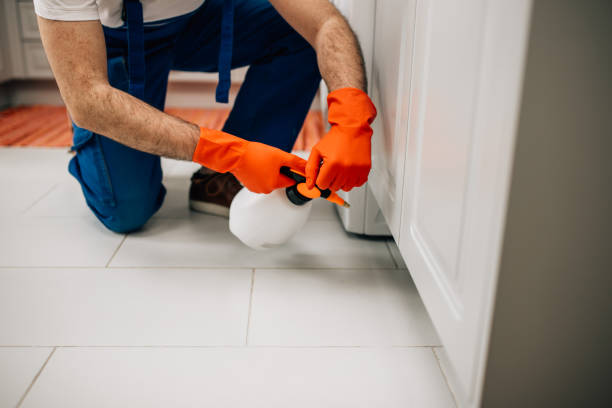
Preventing Food Contamination Through Effective Pest Control Measures
Pests are not just a nuisance in homes; they are a significant health hazard, particularly when it comes to food contamination. Rodents, cockroaches, flies, and other pests can introduce bacteria, viruses, and harmful pathogens that compromise the safety of food stored or prepared in your kitchen. Implementing effective pest control measures is crucial to maintaining a safe and hygienic environment.
The Risks of Food Contamination from Pests
- Spread diseases such as Salmonella, E. coli, and Listeria.
- Introduce allergens that may trigger respiratory or skin issues.
- Contaminate surfaces with droppings, urine, or body parts.
- Accelerate spoilage through gnawing or infesting packaged goods.
These risks not only affect the quality of your food but also pose serious health concerns for you and your family.
Common Entry Points for Pests in Kitchens
- Gaps around doors and windows – Small cracks or unsealed spaces offer easy access.
- Ventilation systems – Open vents may allow insects like flies or wasps into the home.
- Plumbing systems – Leaky pipes can attract pests like cockroaches seeking moisture.
- Pantries and storage – Poorly sealed containers invite rodents and insects.
Effective Pest Control Strategies for Food Safety
- Seal Entry Points: Use caulk or weather stripping to block gaps in walls, windows, and doors.
- Store Food Properly: Invest in airtight containers to keep pests from accessing cereals, grains, snacks, or pet food.
- Wipe down countertops daily to remove crumbs and spills.
- Sweep floors regularly to eliminate food debris that could attract rodents or bugs.
- Fix leaky faucets or pipes promptly.
- Ensure proper ventilation in areas prone to dampness like basements or under sinks.
- Use tightly-sealed trash bins both indoors and outdoors.
- Empty garbage regularly before it attracts scavenging pests.
Benefits of Professional Pest Control Services
While DIY methods are helpful for minor prevention efforts, hiring professional pest control services provides comprehensive protection against larger infestations that threaten food safety.
| Service Aspect | Benefit |
| Inspection | Professionals identify hidden infestation sources within your home. |
| Targeted Treatments | Specific solutions tailored for common kitchen pests like ants or cockroaches ensure effective eradication. |
| Long-Term Prevention | Ongoing maintenance programs reduce the risk of re-infestation over time through strategic monitoring. |
Preventing food contamination should be a top priority for every household concerned about health and hygiene standards. By taking proactive steps such as sealing entry points and keeping storage areas clean—and combining these with professional pest control services—you create a safer environment while ensuring your family enjoys uncontaminated meals every day.
Improving Quality of Life by Eliminating Pests from Your Living Space
Pests are more than just an inconvenience—they can significantly impact the comfort, safety, and overall quality of life within your home. Addressing pest problems promptly not only protects your property but also creates a healthier and more enjoyable living environment for you and your family.
The Impact of Pests on Daily Life
- Constant Stress: The presence of pests often leads to stress and anxiety. Whether it’s hearing rodents scurry in the walls or spotting cockroaches in the kitchen, these encounters create unease.
- Sleep Disruptions: Bed bugs or nocturnal pests like mice can lead to sleepless nights. Lack of quality sleep over time affects both physical and mental well-being.
- Allergic Reactions: Many individuals experience allergies caused by pest droppings, shed skin, or bites. Cockroach allergens, for example, are a well-known trigger for asthma.
Eliminating pests helps mitigate these issues and restores harmony to your living space.
Benefits of Pest-Free Living Spaces
- Pests like ants and flies are drawn to food scraps and uncovered liquids, leaving bacteria behind. Eliminating them preserves hygiene standards.
- Fewer droppings or insect carcasses mean less cleaning effort.
- Families are less likely to contract diseases caused by pests such as salmonella (spread by rats) or E. coli (spread by flies).
- Reduced exposure to allergens leads to better respiratory health.
- Enjoying a home without constant worry about infestations leads to reduced stress levels.
- Parents feel reassured knowing their children play in a safe environment.
- Rodents chew through furniture or wiring; termites destroy wooden structures; moths damage clothing—addressing infestations ensures preservation of valuable items.
Simple Steps Towards a Pest-Free Home
| Action | Description |
| Maintain Cleanliness | Wipe counters regularly; empty trash bins daily; vacuum carpets weekly |
| Seal Entry Points | Close gaps in windows/doors; repair torn screens; seal foundation cracks |
| Store Food Properly | Use airtight containers for grains/snacks; refrigerate perishables |
| Eliminate Standing Water | Fix leaks under sinks; remove water from plant trays |
How Pest Control Professionals Can Help
- Experts use environmentally friendly techniques that minimize harm while maximizing effectiveness.
- Regular maintenance plans ensure long-term prevention against recurring infestations.
Investing in professional assistance offers greater control over potential issues while improving overall quality of life at home—making it an essential step toward sustainable comfort and peace indoors.
By recognizing how pests affect daily life and taking proactive measures against infestations, households can foster healthier environments where both safety and comfort thrive naturally.
The Long-Term Savings Benefits of Investing in Professional Pest Control Services
Investing in professional pest control services might seem like an additional expense at first glance, but it can lead to significant long-term savings. By addressing pest problems proactively and thoroughly, homeowners can avoid costly repairs, protect their property value, and reduce health-related expenses caused by pest infestations. Below, we explore how professional pest control contributes to financial savings over time.
Preventing Costly Structural Damage
One of the primary ways pests cause financial strain is through structural damage to homes. Termites, carpenter ants, and rodents are notorious for damaging wood, insulation, and electrical systems. Professional pest control services identify infestations early and use specialized treatments to prevent extensive damage.
| Pest Type | Potential Damage | Estimated Repair Costs |
| Termites | Wood structure damage | $3,000–$8,000 |
| Rodents | Chewed wiring leading to electrical issues | $1,000–$3,500 |
| Carpenter Ants | Weakening of structural framework | $2,000–$5,000 |
By investing in professional inspections and treatments for as little as a few hundred dollars annually, homeowners can avoid these large financial burdens.
Reducing Health-Related Expenses
- Cockroach droppings aggravate asthma symptoms in children.
- Rodents carry pathogens that spread diseases like leptospirosis or hantavirus.
- Flies and ants contaminate food with bacteria such as Salmonella.
These health risks can result in medical visits or hospitalizations for affected family members. Proactive pest control mitigates these risks by eliminating infestations before they escalate.
Preserving Food Supplies
Household pests are infamous for contaminating stored food supplies. Mice chew through packaging materials while pantry pests like weevils render grains unusable. Replacing contaminated food items repeatedly adds up over time. A professional service ensures your pantry remains free from infestation through effective sealing measures and preventive solutions.
Avoiding Escalating Infestation Costs
DIY methods often provide temporary relief but fail to address the root causes of infestations. Over time, untreated pest problems worsen and require more intensive (and expensive) treatments to resolve. Professionals use targeted strategies that eradicate pests efficiently while preventing recurrence—saving homeowners from escalating costs due to delayed action.
Enhancing Property Value
When selling your home or renting it out, evidence of past or present infestations can significantly reduce its market value. A well-documented history of regular pest maintenance reassures buyers or tenants about the property’s condition. This proactive approach protects your investment in the long term.
Key Takeaways
Investing in professional pest control services offers numerous financial benefits: – Prevents costly structural repairs caused by termites or rodents. – Reduces medical bills associated with pest-induced illnesses. – Minimizes food waste arising from contamination. – Avoids increasing expenses linked to untreated infestations. – Preserves property value for future resale or rental opportunities.
By taking a proactive approach with expert assistance, homeowners ensure cost-effective protection against one of the most persistent threats to their living environment—pests.
- Effective Pest Control Tips from a Trusted Exterminator Clearwater FL Residents Rely On
- Common Household Bugs and How Clearwater Pest Control Can Help Eliminate Them
- Finding a Reliable Pest Control Company Clearwater FL for a Healthy and Safe Home Environment
- Effective Clearwater Pest Control for a Safer and Healthier Environment
- Effective Clearwater Pest Control: A Comprehensive Guide to Identifying and Preventing Infestations
- Effective Clearwater Pest Control: A Comprehensive Guide to Identifying and Preventing Common Household Pests
- Effective Solutions Offered by a Pest Control Company Clearwater FL for Eliminating Pests
- The Limitations of DIY Pest Control and Why Hiring an Exterminator Clearwater FL is More Effective