Effective Pest Control Tips from a Trusted Exterminator Clearwater FL Residents Rely On
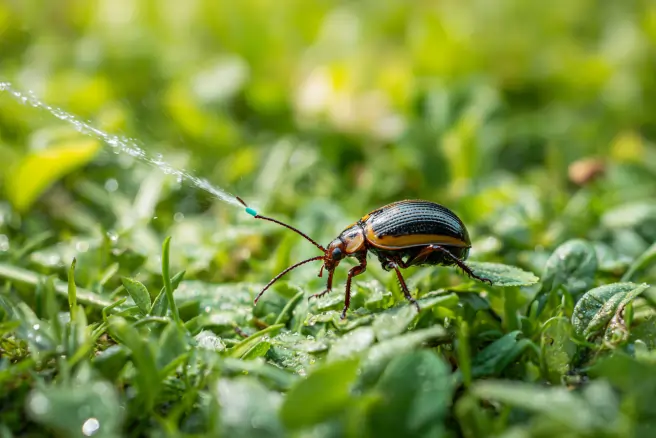
Dealing with pests can be a frustrating challenge for any homeowner. Whether it’s ants in the kitchen, rodents in the attic, or cockroaches hiding behind your appliances, pests can compromise the comfort, safety, and hygiene of your living space. This guide offers practical steps to eliminate pests effectively while maintaining a safe home environment.
Understanding Common Household Pests
- Ants: Often attracted by food crumbs and sweet substances.
- Cockroaches: Thrive in dark, damp areas like basements or behind appliances.
- Rodents (Mice and Rats): Enter homes in search of food and warmth through small cracks or holes.
- Termites: Silent destroyers that feed on wooden structures.
- Spiders: Typically drawn to undisturbed areas like closets or basements.
Understanding which pest you are dealing with will help determine the most effective elimination techniques.
Steps for Effective Pest Control
- Inspect entry points such as doors, windows, and vents for signs of pest activity.
- Look for droppings, chew marks on wires or furniture, nests, or damaged food packaging.
- Identify the species responsible to choose targeted treatment methods.
- Eliminate Food Sources
To deter pests from staying in your home: - Keep countertops clean and free from crumbs.
- Store dry goods such as cereals or flour in airtight containers.
- Empty trash bins regularly and use sealed garbage bags.
- Remove Water Sources
Many pests rely on water for survival: - Fix leaky pipes under sinks or behind walls.
- Address standing water around your property.
- Ensure proper drainage systems near foundations.
- Seal Entry Points
Preventing access is crucial: - Use weatherstripping on doors and windows.
- Seal cracks in walls or foundations with caulk.
- Cover vents with mesh screens to block insects.
- Deploy Targeted Treatments
Depending on the infestation type: - Use bait traps for ants or cockroaches placed along their travel paths.
- Apply diatomaceous earth (a natural product) around suspected pest hideouts like baseboards.
- Set snap traps for rodents in high-traffic areas such as near walls or behind appliances.
Preventive Measures for Long-Term Results
| Action | Purpose | Frequency |
| Deep cleaning | Removes attractants like spills/crumbs | Weekly |
| Decluttering storage areas | Limits hiding spots | Monthly |
| Inspecting outdoor spaces | Identifies breeding grounds | Seasonally |
Additional tips include trimming overgrown shrubs near windows to minimize insect access points and ensuring firewood is stored away from your house foundation.
By following these methods methodically, you can effectively eliminate most common household pests while preventing future infestations from occurring naturally over time without relying solely chemical-heavy interventions
Effective Pest Removal Clearwater FL: Practical Tips for a Pest-Free Home
Household pests can be a persistent problem, but with the right approach, creating a pest-free environment is achievable. Below are practical strategies to remove common household pests and maintain a clean, comfortable living space.
Identifying Common Household Pests
- Ants
Found near food sources and commonly seen in kitchens or pantries. - Cockroaches
These nocturnal pests thrive in warm, moist areas such as bathrooms or under sinks. - Rodents (e.g., mice and rats)
Known for chewing through belongings and contaminating food supplies. - Spiders
Typically found in dark corners or undisturbed areas like basements or attics. - Bedbugs
Small insects that hide in mattresses, furniture crevices, or bedding.
Each pest requires unique methods for removal and prevention.
General Pest Control Tips
- Wash dishes promptly after meals.
- Sweep floors regularly to remove crumbs or food debris.
- Take out trash daily and use sealed bins to discourage pests like flies or rodents.
- Inspect windows, doors, and walls for cracks or gaps.
- Use caulk to seal small openings where insects may enter.
- Install weather stripping on doors to prevent access.
- Keep all pantry items in airtight containers.
- Avoid leaving pet food out overnight.
- Fix leaky pipes promptly.
- Use dehumidifiers in damp spaces to deter moisture-loving pests like cockroaches.
- Minimize clutter where pests can hide, such as cardboard boxes or stacks of old newspapers.
Specific Pest Removal Methods
| Pest | Effective Solutions |
| Ants | Use bait traps near ant trails; wipe surfaces with vinegar-based solutions to disrupt trails. |
| Cockroaches | Apply gel baits in cracks; use boric acid powder around infested areas (out of reach of children/pets). |
| Rodents | Set snap traps along walls; consider ultrasonic repellents for larger infestations. |
| Spiders | Vacuum webs regularly; apply natural repellents like peppermint oil around entry points. |
| Bedbugs | Wash bedding at high temperatures; vacuum mattresses thoroughly; use mattress encasements to trap them over time. |
Natural Remedies for Pest Removal
- Sprinkle diatomaceous earth around baseboards for crawling insects like ants or cockroaches.
- Spray a mixture of water and essential oils (e.g., tea tree oil) in pest-prone areas as a deterrent.
- Place bay leaves inside pantry shelves—they act as a natural repellent against weevils.
When Professional Help is Necessary
- If you notice structural damage caused by termites or rodents.
- In cases of widespread bedbug infestations that DIY treatments cannot fully eliminate.
- For recurring pest issues that persist despite your best efforts.
By combining preventative measures with targeted solutions tailored to specific pests’ behavior patterns, you can ensure your home remains safe from unwanted invaders long-term while reducing reliance on harsh chemicals where possible.
Clearwater Pest Control Guide for a Safe and Comfortable Living Space
Pests in your home can compromise not only your comfort but also your health. Having an effective plan to eliminate these unwelcome guests is essential for maintaining a safe and comfortable living environment. Below, we outline quick and effective methods to identify, remove, and prevent common household pests.
Step 1: Identify the Problem
Once you identify the pest, research its behavior and preferences so that you can target it effectively.
Step 2: Utilize Effective Pest Removal Methods
Ants
- Use ant baits placed in areas where ants travel (e.g., along baseboards or near sinks).
- Seal cracks and crevices to block entry points.
- Clean up food spills promptly since ants are attracted to sugary residues.
Cockroaches
- Place gel baits or bait stations near hiding spots like under sinks or behind appliances.
- Use insect growth regulators (IGRs) to disrupt their life cycle.
- Regularly vacuum areas prone to cockroach infestations, such as kitchens or basements.
Rodents (Mice/Rats)
| Method | Description | Best Used In |
| Snap Traps | Quick kill mechanism with bait like peanut butter | Kitchens, attics, basements |
| Live-Catch Traps | Humane method for relocating rodents | Indoor spaces |
| Ultrasonic Devices | Emits high-frequency sounds that repel rodents | Bedrooms, storage rooms |
Spiders
- Vacuum spiders and webs regularly from corners or ceilings.
- Reduce clutter where spiders might hide.
- Use natural repellents like vinegar sprays or essential oils.
Bed Bugs
- Wash bedding in hot water regularly.
- Use mattress covers designed specifically for bed bug prevention.
- Consider professional heat treatments if necessary.
Step 3: Remove Sources That Attract Pests
- Food Storage: Keep all food in sealed containers made of glass or heavy-duty plastic.
- Water Management: Fix leaky pipes promptly; standing water attracts many pests like mosquitoes.
- Waste Management: Dispose of garbage regularly using bins with tight-fitting lids.
Step 4: Prevent Future Infestations
Tips for Creating a Pest-Free Environment:
- Seal gaps around doors, windows, pipes, and vents using caulking or weather stripping.
- Trim trees and shrubs so they do not touch walls—they can act as bridges for pests.
- Maintain cleanliness by vacuuming floors regularly and wiping down counters after meals.
Example Maintenance Schedule
| Task | Frequency |
| Inspect entry points | Monthly |
| Deep clean kitchen area | Weekly |
| Dispose of trash properly | Daily |
| Inspect attic/basement | Quarterly |
By following these proactive steps combined with targeted removal methods specific to your pest problem, you can create a safer living space free from unwanted intrusions while minimizing future risks effectively through constant vigilance & habit changes
Proven Strategies to Identify the Types of Pests Invading Your Home
Identifying the types of pests invading your home is a crucial first step in addressing any infestation effectively. Without proper identification, treatment efforts can be misdirected, wasting time and resources. Below, we’ll explore proven strategies to help you determine which pests are causing issues in your space and how to approach their removal.
Observe Physical Evidence
Carefully inspect your home for signs of pest activity. Look for:
– Droppings: Small black or brown droppings may indicate rodents or cockroaches.
– Gnaw Marks: Chewed furniture or wires may point to rodents like mice or rats.
– Shed Skin or Wings: Termites leave behind discarded wings, while bed bugs shed their exoskeletons as they grow.
– Tracks: Dusty areas may reveal tracks left by pests such as rodents or insects.
A thorough examination of floors, walls, baseboards, and less frequently used spaces (like attics and basements) can provide valuable clues.
Listen for Noises
Pests are often most active during quiet times, especially at night:
– Scratching sounds in walls or ceilings suggest the presence of rodents.
– Chirping noises may indicate crickets hiding inside your home.
– Buzzing sounds often point to flying insects like wasps or bees nesting nearby.
Take note of when and where you hear these noises to narrow down potential culprits.
Analyze Damage Patterns
Each pest species causes distinct types of damage that can serve as identification clues:
| Pest Type | Common Damage Signs |
|——————–|—————————————————–|
| Rodents | Gnawed wires, chewed food packages |
| Termites | Hollow-sounding wood, mud tubes on walls |
| Cockroaches | Greasy smears along baseboards |
| Bed Bugs | Blood stains on sheets, itchy bites |
If you notice recurring signs in specific areas (e.g., shredded paper near cabinets), it’s a strong indicator of the pest type involved.
Use Traps and Bait for Confirmation
Set up traps strategically around your home to confirm which pests you’re dealing with. Examples include:
– Sticky traps for cockroaches and spiders. – Snap traps or bait stations for mice and rats. – Pheromone traps to capture moths or pantry pests like beetles.
Once you’ve captured evidence via these tools, compare what you find with online resources or consult a professional like Clearwater Pest Control.
Seek Professional Inspection if Necessary
If you’re struggling to identify the type of pest infestation after trying these strategies—or if the problem is severe—it’s wise to contact a licensed pest control specialist. Professionals can perform detailed inspections using advanced tools such as thermal imaging cameras or moisture meters that detect hidden nests. They can also offer tailored solutions based on confirmed findings.
By following these strategies systematically, homeowners can identify not only the type of pest but also its habits and entry points into the property—key information when planning effective removal and prevention tactics.
Eliminate What Attracts Pests: Removing Food, Water Sources, and Other Lures
Creating a pest-free environment begins with identifying and eliminating the factors that attract pests to your home. Pests such as rodents, cockroaches, ants, and flies are typically drawn to easily accessible resources like food, water, and shelter. By addressing these attractants, you can significantly reduce the chances of an infestation.
Identify Common Pest Attractants
| Attractant | Examples | Pests It Attracts |
| Food | Leftover crumbs, spills on counters, uncovered trash | Ants, cockroaches, rodents |
| Water | Leaky pipes, standing water in sinks or bathrooms | Mosquitoes, cockroaches |
| Shelter | Cluttered spaces like basements or attics | Spiders, rodents |
By properly identifying these sources within your home environment, you can implement preventive measures to keep pests at bay.
Steps to Remove Food Sources
- Store food properly: Keep perishable foods in airtight containers and refrigerate items prone to attracting pests.
- Clean regularly: Wipe down kitchen surfaces after meals. Pay special attention to areas where crumbs or spills accumulate.
- Dispose of garbage appropriately: Empty trash cans daily and use bins with tightly sealed lids.
- Avoid leaving pet food out overnight: Unattended pet food can serve as a buffet for rodents or insects.
Eliminating Water Sources
- Fix leaking pipes or faucets promptly.
- Empty standing water in flowerpots or outdoor containers regularly.
- Use dehumidifiers in damp areas such as basements or laundry rooms.
- Ensure bathroom vents are functional to reduce moisture buildup after showers.
Decluttering to Minimize Shelter Opportunities
- Declutter storage areas such as closets and garages by removing unused items.
- Seal cracks and gaps around doors and windows using caulk or weather stripping.
- Keep firewood stored at least 20 feet away from your home’s foundation.
- Vacuum frequently to remove dust buildup where insects may hide.
Implementing Preventive Maintenance
- Schedule regular inspections around sinks and drainage areas for leaks.
- Create reminders for routine cleaning tasks like wiping down pantry shelves or organizing storage spaces.
- Stay proactive about seasonal pest control treatments tailored for specific threats (e.g., ants during summer months).
By diligently tackling food sources, standing water issues, and unnecessary clutter within your home environment through these methods listed above—your space will become far less inviting for unwanted intruders who rely on these resources for survival.
Effective Tips from a Pest Control Company Clearwater FL to Eliminate Hidden Infestations
Pest infestations can often go unnoticed for long periods, as many pests prefer to hide in dark, damp, or secluded spots within your home. Identifying and eliminating these hiding places is a crucial step in controlling infestations effectively. Here’s a detailed guide on how to locate and remove pest harborage areas to ensure your home remains pest-free.
Common Hiding Places for Pests
- Cracks and Crevices: Gaps in walls, baseboards, or flooring provide ideal hiding spots for insects like cockroaches and ants.
- Cluttered Storage Areas: Basements, attics, and storage closets often harbor rodents and spiders due to minimal human activity.
- Under Appliances: Dark areas beneath refrigerators, ovens, and dishwashers can attract pests like roaches.
- Behind Walls or Ceilings: Mice, rats, and termites often create nests within walls or crawl spaces.
- Outdoor Debris Near the Home: Stacks of firewood, piles of leaves, or overgrown vegetation close to the house can serve as outdoor nesting sites for pests.
Steps to Remove Pest Hiding Places
- Remove unnecessary items from storage spaces such as garages or attics.
- Organize belongings into sealed plastic bins instead of cardboard boxes that pests can chew through.
- Inspect windowsills, door frames, walls, and foundations for cracks or openings.
- Use caulk or weatherproofing materials to seal gaps where insects might enter.
- Regularly move large appliances like refrigerators and stoves to clean any food debris or accumulated dust underneath.
- Pay attention to smaller appliances like microwaves that may also harbor crumbs.
- Fix leaky pipes under sinks promptly since excess moisture attracts cockroaches and termites.
- Use dehumidifiers in damp areas such as basements.
- Trim overgrown shrubs near windows or doors to prevent easy access for pests.
- Dispose of yard debris promptly so it doesn’t become a breeding ground for insects.
- Keep food items sealed in airtight containers made from glass or hard plastic.
- Clean up spills immediately in pantry shelves or dining areas.
Table: Priority Areas for Inspection
| Area | Common Pests Found | Recommended Action |
| Kitchen | Ants & Cockroaches | Clean surfaces daily; seal food containers |
| Bathroom | Silverfish & Mold Mites | Fix plumbing leaks; improve ventilation |
| Basement/Attic | Rodents & Spiders | Declutter; use traps if necessary |
| Outdoor Firewood Stack | Termites | Store wood at least 20 feet away from home |
Benefits of Removing Hiding Places
By addressing these concealed locations where pests thrive: – You reduce the chance of re-infestation since there’s no safe refuge available for them. – You minimize potential health risks associated with prolonged exposure to pest droppings or bites. – Your home environment becomes safer and more comfortable with fewer opportunities for structural damage caused by termites or rodents.
Taking proactive measures not only helps you tackle current infestations but also prevents future outbreaks by denying pests a place to hide in your home. Keep monitoring regularly even after steps are taken so you’re always one step ahead in maintaining a pest-free environment.
Top Tips for Creating a Safe and Clean Environment Free from Pesky Intruders
Creating a clean and pest-free home environment is essential for your safety, health, and overall comfort. Pests such as rodents, cockroaches, ants, and flies can introduce allergens, spread diseases, and contaminate food. By following these practical tips and strategies, you can mitigate the risk of infestations while maintaining a hygienic living space.
Maintain Proper Hygiene
- Regularly clean floors: Sweep or vacuum daily to remove food crumbs that attract pests like ants or cockroaches.
- Wipe down surfaces: Use disinfectants on kitchen counters, dining tables, and other food preparation areas to eliminate residue.
- Wash dishes promptly: Avoid leaving dirty dishes in the sink overnight as they can be a magnet for pests.
- Clear out trash regularly: Dispose of garbage daily in sealed bags and use trash cans with tight-fitting lids.
- Declutter storage areas: Organize basements, attics, and garages to remove potential hiding spots for pests such as spiders or rodents.
Seal Entry Points
Pests often enter homes through small gaps or cracks in walls, windows, doors, or foundations. To prevent intrusion:
– Inspect your home’s exterior for holes or cracks; seal them with caulk or weatherproof sealants.
– Install door sweeps on exterior doors to block gaps beneath them.
– Repair torn window screens to keep out flying insects like mosquitoes and flies.
– Use steel wool to fill spaces around pipes where rodents might enter.
Eliminate Standing Water Sources
Water is essential for many pests’ survival. By removing water sources around your home:
– Fix leaky faucets or pipes immediately to avoid pooling water under sinks or appliances. – Empty standing water from pet bowls overnight. – Ensure drains are clear of clogs that could hold stagnant water. – Use dehumidifiers in damp areas like basements to reduce moisture levels.
| Common Water Sources | Solution |
| Leaking pipes | Repair immediately |
| Clogged gutters | Clean regularly |
| Excess bathroom moisture | Install ventilation |
Store Food Properly
Improper food storage can attract pests such as ants or pantry moths. Follow these storage tips: 1. Use airtight containers for dry goods like cereal and pasta. 2. Keep fruits in the refrigerator instead of on countertops. 3. Store pet food in sealed bins rather than open bags. 4. Avoid leaving uneaten meals uncovered.
Natural Pest Deterrents
For those looking for eco-friendly pest control options: – Sprinkle diatomaceous earth near baseboards or crevices; it’s harmless to humans but lethal to insects. – Create natural ant repellents using vinegar mixed with water as a spray solution. – Plant pest-repelling herbs like mint, basil, and lavender around windowsills.
By taking proactive measures against pests while keeping your environment clean and secure from entry points or attractions (like excess moisture), you significantly reduce their chances of becoming unwelcome guests in your home.
Top Tips for Creating a Safe and Clean Environment Free from Pesky Intruders
Creating a pest-free environment at home is essential for maintaining health, comfort, and safety. Pests can carry diseases, cause structural damage, and disturb your peace of mind. Here are practical tips to help you establish a clean and safe environment that minimizes the risk of unwanted intrusions.
Maintain Cleanliness in All Areas
One of the most effective ways to deter pests is by keeping your home clean. Pests thrive in dirty environments where they can easily find food crumbs, water sources, or shelter.
Here’s how you can maintain cleanliness throughout your home:
– Kitchen:
– Wipe down countertops daily to remove food particles.
– Store all dry goods (flour, sugar, cereals) in airtight containers.
– Take out the trash regularly and ensure bins have tight-fitting lids.
– Clean under appliances like stoves and refrigerators where crumbs accumulate.
- Fix any leaky faucets or pipes to eliminate standing water.
- Regularly clean drains with a non-toxic cleaner to prevent buildup that could attract pests like drain flies.
- Vacuum carpets, rugs, and furniture weekly to remove dust mites or bed bugs.
- Declutter areas such as closets and basements where pests might nest.
Seal Off Entry Points
Pests often enter homes through small cracks or openings. Identifying these vulnerabilities helps prevent infestations before they start.
Steps to secure your property:
– Inspect walls, doors, and windows for cracks or gaps; seal them with caulk or weatherstripping as needed. – Install door sweeps on exterior doors to block gaps underneath. – Use fine mesh screens over vents or chimneys to keep larger pests like birds or rodents out. – Repair any damaged window screens promptly.
Eliminate Sources of Attraction
| Common Attraction | How To Eliminate It |
| Food Crumbs | Sweep/vacuum floors after meals |
| Stagnant Water | Empty plant saucers & repair plumbing leaks |
| Overgrown Plants | Trim shrubs away from your home’s exterior walls |
Use Natural Pest Deterrents
- Essential Oils: Peppermint oil repels spiders; lavender oil deters moths; citronella discourages mosquitoes.
- Diatomaceous Earth (DE): Sprinkle this powder around baseboards and entryways for non-toxic pest control against ants and cockroaches.
- Herbs: Planting basil near windows keeps flies away while rosemary outdoors helps deter mosquitoes.
Conduct Regular Inspections
- Check hidden spaces such as attics or crawl spaces monthly for signs of droppings, nests, or damage.
- Monitor pantry storage areas for evidence of weevils in grains or dried goods.
- Look for gnaw marks on wood fixtures that may signal rodents have entered.
By implementing these steps consistently, you can enjoy a safer living environment free from pesky intrusions while protecting both your family’s well-being and property value effectively over time.
- Effective Pest Control Tips from a Trusted Exterminator Clearwater FL Residents Rely On
- Common Household Bugs and How Clearwater Pest Control Can Help Eliminate Them
- Finding a Reliable Pest Control Company Clearwater FL for a Healthy and Safe Home Environment
- Effective Clearwater Pest Control for a Safer and Healthier Environment
- Effective Clearwater Pest Control: A Comprehensive Guide to Identifying and Preventing Infestations
- Effective Clearwater Pest Control: A Comprehensive Guide to Identifying and Preventing Common Household Pests
- Effective Solutions Offered by a Pest Control Company Clearwater FL for Eliminating Pests
- The Limitations of DIY Pest Control and Why Hiring an Exterminator Clearwater FL is More Effective
Common Household Bugs and How Clearwater Pest Control Can Help Eliminate Them
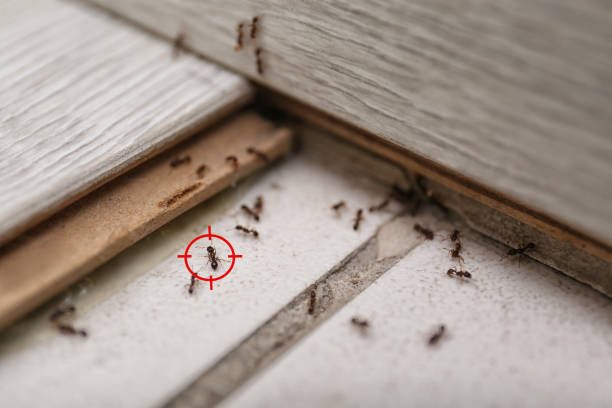
Household bugs can be a nuisance, compromising both the hygiene and comfort of your home. Identifying these pests and understanding how to manage them effectively is the first step toward creating a pest-free environment. Below, we explore six common household bugs and practical ways to deal with them.
Expert Exterminator Clearwater FL: Tackling Ant Infestations
Ants are among the most persistent household pests. They often invade kitchens and pantries in search of food.
How to Identify:
– Small in size, typically ranging from 1/16″ to 1/2″ depending on the species
– Often seen following trails toward food sources
Effective Elimination Methods:
– Locate entry points and seal them with caulk or weatherstripping
– Use ant baits or traps to target colonies
– Keep surfaces clean of food crumbs or spills
Effective Cockroach Pest Removal in Clearwater FL
Cockroaches are not only unpleasant but also carriers of harmful bacteria that can pose health risks.
How to Identify:
– Brown, flat-bodied insects with long antennae
– Nocturnal habits; commonly found in dark, damp areas like kitchens or bathrooms
Elimination Tips:
– Store food in airtight containers
– Regularly take out the trash and avoid leaving dirty dishes overnight
– Use gel baits or apply boric acid powder around infested areas
1. Bed Bugs
Bed bugs are notorious for their ability to hide and their bites that often cause itchy welts.
How to Identify:
– Small, reddish-brown insects about the size of an apple seed
– Look for dark spots (fecal matter) on mattresses or sheets
Ways to Eliminate Them:
– Wash infested bedding/clothing in hot water and dry on high heat
– Use a vacuum cleaner along mattress seams and cracks in furniture
– Consider professional pest control if infestation persists
2. Spiders
While most spiders are harmless, their presence can be unsettling for many homeowners.
How to Identify:
– Eight-legged arachnids varying widely in size and color – Webs found in corners, ceilings, or undisturbed areas
Prevention & Control Measures:
– Regularly dust and vacuum corners where webs form
– Reduce clutter where spiders may hide
– Apply natural repellents like essential oils (e.g., peppermint oil) around entry points
3. Silverfish
Silverfish thrive in humid environments and feed on materials like paper, glue, or fabric.
How to Identify:
– Silvery-gray insects with elongated, tapered bodies resembling fish scales – Found near sinks, bathtubs, or dark cupboards
Control Solutions:
-Silica gel-based desiccants Cluttered CONTROL Moisture/humid…
Expert Tips from a Trusted Pest Control Company Clearwater FL to Protect Your Home from Pests
Protecting your home from pests is essential for maintaining a healthy and comfortable living environment. Whether you’re dealing with termites, ants, rodents, or other unwanted intruders, implementing reliable pest control solutions can help safeguard your property and prevent infestations. This guide provides key steps and strategies to keep pests at bay while ensuring the safety of your household.
Why Pest Control is Essential for Your Home
- Property Damage: Termites and carpenter ants can weaken wooden structures, while rodents may chew through electrical wiring, creating fire hazards.
- Health Concerns: Cockroaches and rodents spread diseases such as salmonella and hantavirus through contaminated surfaces or food.
- Food Contamination: Pests like pantry moths, ants, or weevils can compromise stored food supplies.
- Allergies & Asthma: Dust mites and droppings from certain pests can exacerbate respiratory conditions.
Reliable Pest Control Solutions for Common Problems
1. Ants
- Prevention Tips:
- Seal cracks in walls or windows.
- Ensure food is stored in airtight containers.
- Clean up crumbs or spills promptly.
- Elimination Methods:
- Use bait traps near entry points.
- Apply natural deterrents like vinegar or lemon juice along ant trails.
2. Rodents
- Prevention Tips:
- Plug small holes around the foundation with steel wool.
- Store garbage in tightly sealed bins.
- Elimination Methods:
- Place snap traps or electronic traps along walls where activity is observed.
- Consider ultrasonic pest repellents for non-invasive control.
3. Termites
- Prevention Tips:
- Reduce soil-to-wood contact around the foundation of your home.
- Eliminate excess moisture near wood structures by fixing leaks promptly.
- Elimination Methods:
- Schedule regular inspections with a professional exterminator.
- Use termite bait systems to eliminate colonies effectively.
4. Cockroaches
- Prevention Tips:
- Repair leaky faucets to reduce moisture levels that attract roaches.
- Declutter areas like basements or attics where roaches hide easily.
- Elimination Methods:
- Apply gel baits in dark corners or under sinks where roaches congregate.
- Use boric acid powder as an eco-friendly treatment option.
Choosing Between DIY vs Professional Pest Control
| Factors | DIY Approach | Professional Services |
| Severity of Infestation | Effective for minor issues | Ideal for severe infestations |
| Knowledge Required | Basic understanding of pests | Expertise in identifying & treating all types |
| Cost | Lower upfront costs | Higher initial cost but long-term savings |
| Safety | Risks if using incorrect methods | Ensures safe handling of chemicals |
While DIY efforts may work for smaller problems, persistent infestations often require professional expertise to ensure complete eradication and prevention.
Long-Term Maintenance Steps
- Perform seasonal inspections around the perimeter of your home for signs of infestations (droppings, nests).
- Regularly clean storage areas such as pantries to remove expired food items that attract insects.
- Keep vegetation trimmed away from exterior walls to reduce access points for bugs entering indoors.
By combining proactive prevention techniques with reliable pest control solutions tailored to your specific needs, you can protect both the integrity of your home and the well-being of its occupants effectively over time.
Effective Strategies to Get Rid of Household Pests Quickly and Safely
Household pests can be a persistent nuisance, posing risks to your health and property. Effectively managing pest infestations requires a strategic approach that prioritizes safety for both humans and pets. Below are detailed steps and methods to help you eliminate common household pests quickly and safely.
Identify the Pest Problem
- Ants: Trails along walls or counters, often near food sources.
- Cockroaches: Droppings (resembling coffee grounds), musky odor, or shed skins.
- Rodents (mice/rats): Chewed wires, droppings, or gnawed holes in walls.
- Bed Bugs: Rust-colored stains on bedding or visible bites on skin.
- Flies: Swarming near garbage bins or food sources.
- Spiders: Webs in corners, basements, or attics.
Proper identification will guide you in selecting the most suitable elimination techniques.
Use Targeted Elimination Methods
- Use ant bait stations with slow-acting poisons that workers carry back to colonies.
- Rodent traps (snap traps or glue traps) can be set in areas with signs of activity.
- Apply insecticides sparingly around entry points like windowsills for ants and cockroaches.
- Use bed bug-specific sprays on mattresses and furniture crevices.
- Sprinkle diatomaceous earth in cracks/crevices to eliminate crawling insects without harmful chemicals.
- Essential oils like peppermint repel spiders; mix with water as a spray solution.
- Remove stagnant water around your home to reduce mosquito breeding.
- Keep trash bins sealed tightly and dispose of waste regularly.
Focus on Preventative Measures
- Seal any cracks or gaps around doors, windows, pipes, or vents using caulk or weatherstripping.
- Store food in airtight containers to avoid attracting ants and rodents.
- Maintain a clean environment by regularly vacuuming floors and wiping down surfaces where crumbs may accumulate.
| Pest Type | Prevention Tips |
| Ants | Clean spills immediately; use vinegar-based sprays. |
| Cockroaches | Declutter spaces; repair leaky pipes promptly. |
| Rodents | Remove outdoor debris; install door sweeps on all entryways. |
| Bed Bugs | Avoid purchasing secondhand furniture without inspection; wash bedding frequently at high temperatures. |
When to Call Professionals
While DIY solutions can be effective for minor issues, severe infestations often require professional assistance for complete eradication without harm to your household environment.
Signs you may need professional help include: – Persistent infestations despite repeated efforts at control. – Structural damage caused by termites or rodents that poses safety risks. – Allergic reactions triggered by bites from fleas or other insects.
Hiring licensed pest control services ensures access to advanced tools such as thermal imaging for hidden infestations, fumigation techniques for large-scale problems, and eco-friendly pesticides tailored specifically for sensitive individuals.
By applying these strategies systematically while prioritizing safety measures at every step, you’ll not only rid your home of pests but also create an environment where they’re less likely to return.
How to Choose Customized Pest Control Services for Your Specific Needs
Finding the right pest control service is essential when dealing with infestations or taking preventive measures. Every home and pest problem is unique, and a one-size-fits-all solution rarely works. Opting for customized pest control services ensures that your specific needs are addressed effectively, safely, and efficiently. Below is a detailed guide on how to choose the right pest control service tailored to your requirements.
1. Assess Your Pest Problem
| Common Pests | Potential Issues | Typical Solutions |
| Ants | Damage to food supplies, nests in walls | Bait systems, spray treatments |
| Termites | Structural damage | Termite barriers, fumigation |
| Cockroaches | Spread of bacteria and allergens | Gel baits, sprays |
| Rodents (mice/rats) | Chewed wiring, contamination | Traps, rodenticides |
| Bed Bugs | Painful bites disrupting sleep | Heat treatment, chemical sprays |
| Spiders | Webs in corners, fear factor | Spot treatments |
By knowing the type of pest and extent of infestation you’re dealing with, you’ll be better prepared to discuss your needs with a professional service provider.
2. Research Local Pest Control Companies
- Certifications and Licensing: Verify that the company holds proper certifications from relevant authorities.
- Experience: Companies with years of experience are often better equipped to handle complex problems.
- Reputation: Check online reviews and ratings or ask friends/neighbors for recommendations.
- Guarantees: Some companies offer warranties or follow-up visits until your problem is resolved.
3. Evaluate Treatment Methods
- Eco-Friendly Options: If you’re concerned about chemicals affecting children, pets, or plants, inquire about organic or non-toxic treatments.
- Customized Plans: Some providers will inspect your property before offering a plan tailored specifically for your home’s layout or infestation severity.
- Preventive Measures: Look for companies offering long-term solutions such as sealing entry points or routine monitoring instead of only reactive treatments.
4. Request an Inspection and Quote
- Ask about which treatment methods will be used.
- Request a breakdown of costs (including follow-up visits if necessary).
- Inquire about preparation steps required on your end before treatment begins.
5. Compare Pricing vs Value
- Focus on value—what does the price include?
- Beware of companies offering unrealistically low prices as they might cut corners.
| Service Feature | Company A | Company B |
| Initial Inspection Fee | Free | $50 |
| Eco-Friendly Treatments? | Yes | No |
| Follow-Up Visits Included? | Yes | No |
6. After-Service Support
- Offering tips on preventive care.
- Ensuring follow-ups if pests reappear within their warranty period.
By following these steps carefully when selecting customized pest control services tailored specifically to meet individual household scenarios helps achieve long-lasting results while ensuring safety standards remain uncompromised throughout entire process
Understanding the Importance of Professional Pest Control for a Safe and Healthy Home
Pest infestations can pose serious threats to both the structural integrity of a home and the health of its occupants. While many homeowners may be tempted to tackle pest issues on their own, professional pest control services offer distinct advantages that ensure long-term safety and peace of mind. This article explores why professional pest control is essential for maintaining a safe and healthy living environment.
Health Risks Associated with Pests
- Rodents: Known carriers of diseases such as hantavirus, leptospirosis, and salmonella.
- Cockroaches: Their droppings and shed skin can cause asthma attacks and allergic reactions.
- Mosquitoes: Vectors for diseases like West Nile virus, dengue fever, malaria, and Zika virus.
- Bed Bugs: While not known for spreading disease, they cause itchy bites that can lead to secondary infections if scratched excessively.
Professional pest control ensures these risks are mitigated effectively through targeted treatments.
Structural Damage Caused by Pests
| Pest Type | Damage Caused |
| Termites | Can destroy wooden structures over time. |
| Carpenter Ants | Bore into wood to create nests. |
| Rodents | Chew through electrical wiring and insulation. |
| Powderpost Beetles | Reduce wooden materials to fine dust over time. |
Without proper intervention, these damages can lead to costly repairs.
Advantages of Hiring Professional Pest Control Services
- Expert Knowledge: Professionals understand pests’ behavior patterns and use this knowledge to develop effective treatment plans.
- Customized Solutions: Each home is unique; professionals offer tailored pest management strategies based on specific infestation types.
- Safe Use of Chemicals: Licensed pest control companies use EPA-approved chemicals in the right quantities to ensure safety for humans and pets.
- Long-Term Prevention: Professionals don’t just eliminate pests but also identify vulnerabilities in your home that need correction (e.g., sealing cracks or improving drainage).
- Time Efficiency: A professional exterminator resolves infestations faster than DIY efforts.
Steps Involved in Professional Pest Control Services
- Identify signs of infestation (droppings, nests, damage).
- Assess entry points like cracks or open vents.
- Determine the type of pest species present in your home.
- Create customized strategies using environmentally responsible methods tailored specifically for the problem at hand.
- Apply treatments around critical areas such as wall voids or foundations while ensuring minimal disruption inside your living space.
- Recommend preventive measures like regular maintenance checks or changes in landscaping practices (e.g., removing standing water).
By following these steps diligently, professional services provide lasting results.
Cost Considerations
While upfront costs may vary by region or severity of infestation, investing in professional pest control is often more economical than frequent DIY attempts followed by expensive repairs later on.
| Service Type | Average Cost Range (USD) |
| General Pest Control | $100-$300 per session |
| Termite Extermination | $500-$1,500 depending on size |
| Rodent Removal | $150-$450 per visit |
These costs often include warranties or follow-up visits for recurring issues.
Final Thoughts
A safe and healthy home starts with proactive measures against pests through reliable professional services that prioritize both prevention and elimination strategies over temporary fixes—ensuring long-term peace of mind while safeguarding your property value along with family well-being alike
Everything You Need to Know About Pest-Related Repair Services for Your Home
Pest infestations can cause significant damage to your home, often requiring repairs beyond simple extermination efforts. Addressing these issues promptly is essential not only to restore the structural integrity of your property but also to prevent future infestations. This guide explores common pest-related damages, repair strategies, and tips for maintaining a pest-free environment.
Common Types of Pest Damage in Homes
- Structural damage to wood, including beams, flooring, and furniture.
- Compromised foundation or support structures if left untreated.
- Chewed wires and insulation, increasing risks of electrical fires.
- Holes in walls or flooring created during nesting or burrowing activities.
- Hollowed-out wooden structures as ants establish nesting areas.
- Contamination of surfaces and belongings due to droppings and bacteria transmission.
- Accumulation of droppings leading to foul odors and health risks such as histoplasmosis.
- Damage to vents, roofing materials, or attic insulation.
Steps for Addressing Pest-Related Repairs
- Inspect the Damage Thoroughly
Conduct a comprehensive inspection with a qualified contractor or pest control specialist to identify all affected areas. - Prioritize Structural Integrity
Focus first on repairing structural damages that impact safety, such as weakened beams or compromised walls. - Replace Contaminated Materials
Remove damaged insulation, drywall, or wooden structures that may harbor bacteria or residual traces of pests. - Seal Entry Points
Repair cracks in walls, seal holes around pipes or wires, and install durable weather stripping on doors and windows. - Sanitize Affected Areas
Clean surfaces thoroughly using disinfectants after removing nests or droppings to eliminate odors and pathogens.
Repair Costs: What You Should Expect
| Type of Damage | Estimated Cost Range |
| Termite Structural Repairs | $1,000 – $5,000 |
| Rodent-Caused Electrical Fixes | $500 – $2,500 |
| Replacing Attic Insulation | $1,000 – $3,000 |
| General Sanitation & Cleanup | $200 – $600 |
Preventive Measures After Repairs
- Install mesh screens over vents and chimneys.
- Use caulking materials around windowsills.
- Trim tree branches away from your home’s exterior.
- Schedule regular pest control inspections with professionals.
Taking care of pest-related repairs is an investment in protecting your home’s value while ensuring it remains safe for you and your family. Proper prevention afterward will help sustain long-term results against future infestations.
Top Tips for Preventing Pests from Invading Your Home
Preventing pests from entering your home requires a combination of proactive measures, regular maintenance, and an understanding of how pests operate. By implementing simple yet effective strategies, you can safeguard your living space and avoid costly pest infestations. Below are practical tips to keep your home pest-free.
Seal Entry Points
One of the most effective ways to keep pests out is by sealing any potential entry points.
- Inspect doors and windows: Ensure they close tightly and repair any damaged screens. Use weatherstripping or caulking to seal gaps around windows and doors.
- Fill cracks and crevices: Check for cracks in walls, foundations, and near utility lines. Seal them with silicone-based caulk or expandable foam.
- Install door sweeps: Add sweeps to exterior doors to prevent crawling pests like ants or cockroaches from slipping under.
Maintain Cleanliness
A clean home is less attractive to pests as it reduces the availability of food sources.
- Clean up spills immediately: Food crumbs or liquid spills can attract ants, cockroaches, and rodents.
- Store food properly: Keep all food in airtight containers made of glass or thick plastic.
- Take out garbage regularly: Dispose of waste frequently and ensure trash bins have tight-fitting lids.
- Vacuum regularly: This helps eliminate crumbs, pet hair, and other debris that can attract insects.
Manage Moisture Levels
Many pests thrive in damp environments. Controlling moisture levels in your home can help deter common invaders like termites, silverfish, or mosquitoes.
- Fix leaky pipes or faucets promptly to eliminate water sources.
- Use a dehumidifier in areas with high humidity levels such as basements or bathrooms.
- Ensure proper drainage around the foundation of your home to prevent water pooling.
| Area of Concern | Action Needed |
| Leaking pipes | Repair leaks quickly |
| Humid basements | Use dehumidifiers |
| Standing water outdoors | Drain excess water from gutters/pots |
Landscaping Tips
Proper outdoor maintenance can also play a significant role in keeping pests away from your house.
- Trim branches and shrubs regularly so they don’t touch the home’s exterior (this prevents pests like ants or rodents from gaining direct access).
- Remove dead leaves, wood piles, or other organic debris near the house that could harbor insects such as termites.
- Keep mulch at least 12 inches away from the foundation to reduce shelter for pests like ants or earwigs.
Regular Inspections
- Check storage areas such as attics, basements, or garages for signs of pest activity (droppings, nests).
- Look for holes in window screens or deteriorated weather stripping.
- Inspect outdoor areas for signs of burrowing animals near foundations.
By following these preventive measures consistently over time, you’ll significantly reduce the likelihood of pest invasions—promoting a safer environment for you and your family without relying heavily on chemical solutions.
- Effective Pest Control Tips from a Trusted Exterminator Clearwater FL Residents Rely On
- Common Household Bugs and How Clearwater Pest Control Can Help Eliminate Them
- Finding a Reliable Pest Control Company Clearwater FL for a Healthy and Safe Home Environment
- Effective Clearwater Pest Control for a Safer and Healthier Environment
- Effective Clearwater Pest Control: A Comprehensive Guide to Identifying and Preventing Infestations
- Effective Clearwater Pest Control: A Comprehensive Guide to Identifying and Preventing Common Household Pests
- Effective Solutions Offered by a Pest Control Company Clearwater FL for Eliminating Pests
- The Limitations of DIY Pest Control and Why Hiring an Exterminator Clearwater FL is More Effective
Finding a Reliable Pest Control Company Clearwater FL for a Healthy and Safe Home Environment

Maintaining a clean and pest-free home is crucial for ensuring the health and safety of your family. Pests, such as rodents, cockroaches, ants, termites, and flies, can create serious risks to both your property and overall well-being. Regular pest control practices help mitigate these risks effectively.
Why Regular Pest Control Matters
- Health Risks: Many pests carry harmful bacteria, viruses, or allergens that can affect the health of your family members.
- Property Damage: Termites, carpenter ants, and rodents are known to damage wood structures, wiring, insulation, and even furniture.
- Food Contamination: Pests contaminate food supplies by leaving droppings or bacteria on surfaces where food is prepared.
- Allergies and Respiratory Issues: Cockroach droppings or rodent dander can trigger allergies or worsen respiratory conditions like asthma.
By addressing these problems proactively through regular pest control services or DIY solutions, you can keep your living environment safe.
Effective Pest Removal Clearwater FL: Why Regular Pest Control Matters
- Identifying potential pest problems early prevents them from escalating into costly repairs or extensive infestations.
- Early intervention reduces the population size quickly before pests multiply.
- Professional pest control targets disease-spreading insects like mosquitoes or ticks that transmit illnesses such as Lyme disease or West Nile virus.
- Programs focused on sanitation eliminate allergens like cockroach saliva/droppings.
- A pest-free home promotes relaxation without fears of bites (e.g., bed bugs) or disturbances from nocturnal pests such as rodents.
- Prevent costly repairs due to structural issues caused by termites chewing through wood beams/foundations.
- Safeguard household items including clothing fabrics vulnerable toward moth attacks/storage-related insects’ contamination
| Common Pests | Common Risks | Recommended Frequency for Control |
| Rodents | Disease spread (e.g., Hantavirus), wiring damage | Monthly inspections in areas prone to infestation |
| Termites | Structural wood damage | Annual termite inspections/treatment plans |
| Cockroaches | Allergen triggers; bacterial contamination | Quarterly service routine recommended |
| Mosquitoes | Disease transmission (e.g., Dengue) Quarterly during active spring-fall breeding season |
Steps to Implement an Effective Pest Control Routine
- Regular Inspections
Conduct thorough checks inside/outside premises every few months actively looking out signs (i.e dropping nests/hollow-sounding walls gnaw marks).
2.Scheduled Service Intervals Hiring local professionals skilled controlling specific prevalent species tips
How Clearwater pest control Helps Protect Your Home’s Structure from Damage
Pests are more than a simple inconvenience. Many species, such as termites, rodents, and carpenter ants, can cause substantial damage to the structural integrity of your home. Regular pest control measures are crucial in preventing these destructive pests from compromising your property. Below is an in-depth look at how routine pest management safeguards your home’s structure.
Effective Solutions by an Exterminator Clearwater FL for Common Structural Pests
- Termites feed on wood, compromising the structural framework of homes.
- Subterranean termites can create extensive underground colonies that lead to widespread destruction.
- Over time, termite infestations weaken support beams, flooring, and walls.
- Unlike termites, carpenter ants do not consume wood but excavate it to build nests.
- Their tunneling weakens wooden structures such as decks, window frames, and roof eaves.
- Rodents gnaw on various materials like wood, insulation, and electrical wiring.
- Damaged wires increase the risk of electrical fires.
- Structural gaps caused by rodents can lead to further pest entry points.
- These insects lay their eggs in untreated or damp wood.
- Larvae feed on the wood as they grow, leaving behind holes and weakened surfaces.
Benefits of Regular Pest Control
- Early Detection
Professionals are trained to identify early signs of infestation that might go unnoticed by homeowners. Detecting problems early minimizes potential damage. - Targeted Treatments
Pest control specialists use targeted solutions specific to the type of pests present in your home. For example:
| Pest Type | Treatment Method | |——————–|————————————————-| | Termites | Bait systems or liquid termiticides | | Carpenter Ants | Direct application of insecticides | | Rodents | Traps combined with exclusion techniques | | Wood-Boring Beetles| Fumigation or surface treatments | - Preventative Measures
Beyond eradicating existing infestations, pest control professionals implement preventive strategies such as sealing entry points, reducing moisture levels around foundations, and applying protective barriers against pests like termites. - Preservation of Property Value
A structurally sound home retains its value over time. Persistent issues caused by pests may require costly repairs that could decrease resale value if left unaddressed.
DIY vs Professional Pest Control
| Aspect | DIY Approach | Professional Services |
| Effectiveness | Limited; often treats symptoms only | Addresses root causes |
| Knowledge | Relies on homeowner research | Expertise in identifying hidden infestations |
| Long-Term Results | Temporary relief | Prevents reinfestation |
| Safety | Potential misuse of chemicals | Safe application by trained technicians |
Signs You Need Immediate Structural Pest Control
- Hollow-sounding wood when tapped (indicative of termites).
- Sawdust-like material or frass near wooden structures (carpenter ants).
- Gnaw marks on furniture or walls (rodents).
- Tiny exit holes in wooden surfaces (wood-boring beetles).
Proactively addressing these issues through regular inspections and treatments ensures that your home remains safe from structural threats posed by pests while saving you from costly repairs down the road.
How Regular Pest Control Helps Protect Your Home’s Structure from Damage
Pests can pose a significant threat to the structural integrity of your home. While they may seem small and insignificant, their impact can lead to costly damage if not addressed promptly. Regular pest control plays a vital role in protecting your property from structural harm caused by various types of pests.
Common Pests That Damage Home Structures
- Termites feed on wood, compromising the strength of wooden beams, floorboards, and walls.
- According to studies, termites cause billions of dollars in property damage annually worldwide.
- These ants excavate wood to create nests, which weakens the structure over time.
- Unlike termites, they do not eat wood but still contribute significantly to structural degradation.
- These beetles lay eggs in wood; their larvae feed on it as they grow, leaving tunnels and holes behind.
- Often found in hardwood floors or furniture within homes.
- Rodents chew through wires, insulation, and even wooden structures.
- Their gnawing habits can lead to electrical fires if wiring is exposed.
Signs of Pest-Induced Structural Damage
- Hollow-sounding wood when tapped (indicates termite infestations).
- Visible sawdust or “frass” near wooden surfaces (a sign of carpenter ants or powderpost beetles).
- Small holes or tunnels in walls or furniture.
- Chewed electrical wires or broken insulation caused by rodents.
- Mud tubes along foundation walls (a common indicator of subterranean termite activity).
Benefits of Routine Pest Control for Structural Protection
- Early Detection and Prevention: Professionals can identify early signs of pests that homeowners might overlook and take preventive action before significant damage occurs.
- Integrated Pest Management (IPM) Solutions: Pest control experts use eco-friendly techniques that minimize risks while effectively targeting harmful infestations.
- Customized Treatment Plans: Different pests require different treatment approaches; professional services tailor solutions based on specific risks associated with your location and home type.
- Long-Term Cost Savings: Addressing infestations early prevents extensive repairs down the line—saving money on costly renovations caused by untreated pest damage.
Table: Cost Comparison – Immediate Treatment vs Structural Repairs
| Scenario | Average Cost Without Action | Average Cost With Regular Pest Control |
| Minor Termite Infestation | $100–$300 | Included in service plan (~$50–$100/month) |
| Severe Termite-Induced Repairs | $3,000–$8,000 | Avoided entirely with preventive care |
| Rodent Electrical Repairs | $500–$2,000 | Reduced risk through regular monitoring |
DIY Prevention Tips for Structural Protection
- Seal any cracks or gaps around windows, doors, foundations, and utility entry points.
- Keep firewood stored away from the house—at least 20 feet from the structure.
- Maintain proper drainage systems around the home’s foundation to prevent moisture accumulation.
- Trim shrubs and trees so that branches do not touch exterior walls or roofs.
By combining proactive DIY measures with routine professional pest control services, homeowners can ensure their properties remain structurally sound over time while avoiding major financial setbacks caused by unchecked infestations.
Preventing Food Contamination Through Effective Pest Control Measures
Pests are not just a nuisance in homes; they are a significant health hazard, particularly when it comes to food contamination. Rodents, cockroaches, flies, and other pests can introduce bacteria, viruses, and harmful pathogens that compromise the safety of food stored or prepared in your kitchen. Implementing effective pest control measures is crucial to maintaining a safe and hygienic environment.
The Risks of Food Contamination from Pests
- Spread diseases such as Salmonella, E. coli, and Listeria.
- Introduce allergens that may trigger respiratory or skin issues.
- Contaminate surfaces with droppings, urine, or body parts.
- Accelerate spoilage through gnawing or infesting packaged goods.
These risks not only affect the quality of your food but also pose serious health concerns for you and your family.
Common Entry Points for Pests in Kitchens
- Gaps around doors and windows – Small cracks or unsealed spaces offer easy access.
- Ventilation systems – Open vents may allow insects like flies or wasps into the home.
- Plumbing systems – Leaky pipes can attract pests like cockroaches seeking moisture.
- Pantries and storage – Poorly sealed containers invite rodents and insects.
Effective Pest Control Strategies for Food Safety
- Seal Entry Points: Use caulk or weather stripping to block gaps in walls, windows, and doors.
- Store Food Properly: Invest in airtight containers to keep pests from accessing cereals, grains, snacks, or pet food.
- Wipe down countertops daily to remove crumbs and spills.
- Sweep floors regularly to eliminate food debris that could attract rodents or bugs.
- Fix leaky faucets or pipes promptly.
- Ensure proper ventilation in areas prone to dampness like basements or under sinks.
- Use tightly-sealed trash bins both indoors and outdoors.
- Empty garbage regularly before it attracts scavenging pests.
Benefits of Professional Pest Control Services
While DIY methods are helpful for minor prevention efforts, hiring professional pest control services provides comprehensive protection against larger infestations that threaten food safety.
| Service Aspect | Benefit |
| Inspection | Professionals identify hidden infestation sources within your home. |
| Targeted Treatments | Specific solutions tailored for common kitchen pests like ants or cockroaches ensure effective eradication. |
| Long-Term Prevention | Ongoing maintenance programs reduce the risk of re-infestation over time through strategic monitoring. |
Preventing food contamination should be a top priority for every household concerned about health and hygiene standards. By taking proactive steps such as sealing entry points and keeping storage areas clean—and combining these with professional pest control services—you create a safer environment while ensuring your family enjoys uncontaminated meals every day.
Improving Quality of Life by Eliminating Pests from Your Living Space
Pests are more than just an inconvenience—they can significantly impact the comfort, safety, and overall quality of life within your home. Addressing pest problems promptly not only protects your property but also creates a healthier and more enjoyable living environment for you and your family.
The Impact of Pests on Daily Life
- Constant Stress: The presence of pests often leads to stress and anxiety. Whether it’s hearing rodents scurry in the walls or spotting cockroaches in the kitchen, these encounters create unease.
- Sleep Disruptions: Bed bugs or nocturnal pests like mice can lead to sleepless nights. Lack of quality sleep over time affects both physical and mental well-being.
- Allergic Reactions: Many individuals experience allergies caused by pest droppings, shed skin, or bites. Cockroach allergens, for example, are a well-known trigger for asthma.
Eliminating pests helps mitigate these issues and restores harmony to your living space.
Benefits of Pest-Free Living Spaces
- Pests like ants and flies are drawn to food scraps and uncovered liquids, leaving bacteria behind. Eliminating them preserves hygiene standards.
- Fewer droppings or insect carcasses mean less cleaning effort.
- Families are less likely to contract diseases caused by pests such as salmonella (spread by rats) or E. coli (spread by flies).
- Reduced exposure to allergens leads to better respiratory health.
- Enjoying a home without constant worry about infestations leads to reduced stress levels.
- Parents feel reassured knowing their children play in a safe environment.
- Rodents chew through furniture or wiring; termites destroy wooden structures; moths damage clothing—addressing infestations ensures preservation of valuable items.
Simple Steps Towards a Pest-Free Home
| Action | Description |
| Maintain Cleanliness | Wipe counters regularly; empty trash bins daily; vacuum carpets weekly |
| Seal Entry Points | Close gaps in windows/doors; repair torn screens; seal foundation cracks |
| Store Food Properly | Use airtight containers for grains/snacks; refrigerate perishables |
| Eliminate Standing Water | Fix leaks under sinks; remove water from plant trays |
How Pest Control Professionals Can Help
- Experts use environmentally friendly techniques that minimize harm while maximizing effectiveness.
- Regular maintenance plans ensure long-term prevention against recurring infestations.
Investing in professional assistance offers greater control over potential issues while improving overall quality of life at home—making it an essential step toward sustainable comfort and peace indoors.
By recognizing how pests affect daily life and taking proactive measures against infestations, households can foster healthier environments where both safety and comfort thrive naturally.
The Long-Term Savings Benefits of Investing in Professional Pest Control Services
Investing in professional pest control services might seem like an additional expense at first glance, but it can lead to significant long-term savings. By addressing pest problems proactively and thoroughly, homeowners can avoid costly repairs, protect their property value, and reduce health-related expenses caused by pest infestations. Below, we explore how professional pest control contributes to financial savings over time.
Preventing Costly Structural Damage
One of the primary ways pests cause financial strain is through structural damage to homes. Termites, carpenter ants, and rodents are notorious for damaging wood, insulation, and electrical systems. Professional pest control services identify infestations early and use specialized treatments to prevent extensive damage.
| Pest Type | Potential Damage | Estimated Repair Costs |
| Termites | Wood structure damage | $3,000–$8,000 |
| Rodents | Chewed wiring leading to electrical issues | $1,000–$3,500 |
| Carpenter Ants | Weakening of structural framework | $2,000–$5,000 |
By investing in professional inspections and treatments for as little as a few hundred dollars annually, homeowners can avoid these large financial burdens.
Reducing Health-Related Expenses
- Cockroach droppings aggravate asthma symptoms in children.
- Rodents carry pathogens that spread diseases like leptospirosis or hantavirus.
- Flies and ants contaminate food with bacteria such as Salmonella.
These health risks can result in medical visits or hospitalizations for affected family members. Proactive pest control mitigates these risks by eliminating infestations before they escalate.
Preserving Food Supplies
Household pests are infamous for contaminating stored food supplies. Mice chew through packaging materials while pantry pests like weevils render grains unusable. Replacing contaminated food items repeatedly adds up over time. A professional service ensures your pantry remains free from infestation through effective sealing measures and preventive solutions.
Avoiding Escalating Infestation Costs
DIY methods often provide temporary relief but fail to address the root causes of infestations. Over time, untreated pest problems worsen and require more intensive (and expensive) treatments to resolve. Professionals use targeted strategies that eradicate pests efficiently while preventing recurrence—saving homeowners from escalating costs due to delayed action.
Enhancing Property Value
When selling your home or renting it out, evidence of past or present infestations can significantly reduce its market value. A well-documented history of regular pest maintenance reassures buyers or tenants about the property’s condition. This proactive approach protects your investment in the long term.
Key Takeaways
Investing in professional pest control services offers numerous financial benefits: – Prevents costly structural repairs caused by termites or rodents. – Reduces medical bills associated with pest-induced illnesses. – Minimizes food waste arising from contamination. – Avoids increasing expenses linked to untreated infestations. – Preserves property value for future resale or rental opportunities.
By taking a proactive approach with expert assistance, homeowners ensure cost-effective protection against one of the most persistent threats to their living environment—pests.
- Effective Pest Control Tips from a Trusted Exterminator Clearwater FL Residents Rely On
- Common Household Bugs and How Clearwater Pest Control Can Help Eliminate Them
- Finding a Reliable Pest Control Company Clearwater FL for a Healthy and Safe Home Environment
- Effective Clearwater Pest Control for a Safer and Healthier Environment
- Effective Clearwater Pest Control: A Comprehensive Guide to Identifying and Preventing Infestations
- Effective Clearwater Pest Control: A Comprehensive Guide to Identifying and Preventing Common Household Pests
- Effective Solutions Offered by a Pest Control Company Clearwater FL for Eliminating Pests
- The Limitations of DIY Pest Control and Why Hiring an Exterminator Clearwater FL is More Effective
Effective Clearwater Pest Control for a Safer and Healthier Environment
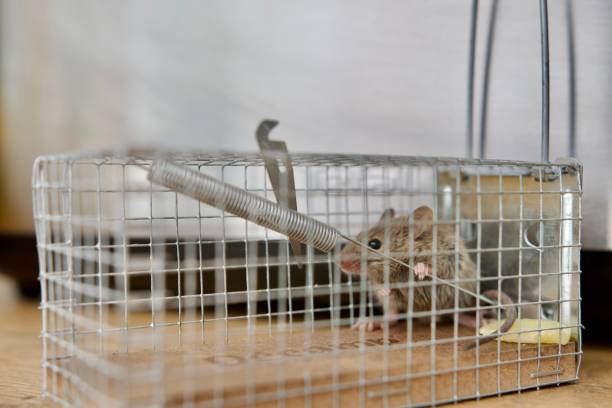
Rodents such as rats, mice, and squirrels may seem harmless at first glance, but their presence in homes, businesses, or surrounding areas can introduce significant health risks and structural damage. Effective control of wild rodent infestations is essential to maintain a safe, pest-free environment. Below is a guide to understanding the impact of rodent infestations and strategies for mitigating their risks.
How to Find the Best Exterminator Clearwater FL for Rodent Control
- Health Risks: Rodents spread harmful pathogens through their saliva, urine, droppings, and fur. Diseases such as hantavirus, leptospirosis, and salmonellosis have been directly linked to rodent exposure.
- Structural Damage: Rodent gnawing behaviors can compromise electrical wiring (increasing fire risks), insulation materials, wooden structures, and stored goods.
- Economic Losses: Businesses dealing with food storage or processing facilities face heightened risks if rodents gain access to inventory or machinery.
By addressing infestations promptly, homeowners and businesses alike reduce long-term costs associated with repairs or health-related complications.
Effective Pest Removal Clearwater FL: Tackling Rodent Infestations
- Poor sanitation practices (unsecured trash bins or spills).
- Cracks or openings in walls that allow easy entry points into buildings.
- Cluttered storage areas where rodents can nest undisturbed.
- Overgrown vegetation near the property that provides cover for movement.
Addressing these causes is the first step toward controlling infestations before they escalate.
Methods for Controlling Rodents
1. Sealing Entry Points
One of the most critical steps involves identifying and sealing all possible entry points around your home or business. Use durable materials like steel wool combined with caulking to block small gaps since rodents can chew through softer substances like plastic foam.
2. Implementing Trapping Techniques
Traps are an effective form of non-toxic rodent control when placed correctly: – Snap traps: Ideal for smaller populations; place traps along walls where droppings have been observed. – Live traps: Allow humane capture and release but require strategic placement.
3. Using Bait Stations Responsibly
Rodenticides should be used cautiously due to potential risks posed to pets or non-target wildlife species.
| Rodenticides Type | Characteristics |
| Anticoagulants | Cause internal bleeding over time |
| Acute toxicants | Act quickly but may raise safety concerns |
Always ensure bait stations are tamper-proof if used in residential areas with pets or children present.
4. Encouraging Natural Predators
Encourage natural predators like owls by installing nesting boxes near outdoor spaces—this eco-friendly approach reduces reliance on chemical interventions over time.
Long-Term Prevention Tips
Effective prevention requires continuous effort rather than one-time solutions: 1. Regularly inspect your property’s foundation for new cracks/holes. 2. Store food items using airtight containers instead of cardboard packaging. 3. Keep outdoor garbage bins tightly sealed at all times. 4. Trim back trees/shrubbery away from roofs/windowsills reducing potential climbing routes towards interior spaces. 5.Clean kitchen counters daily ensuring crumbs/spilled liquids aren’t left overnight attracting pests nearby likely .
Creating safer healthier environments begins w/consistent vigilance
What to Know About Effective Pest Control Strategies
Effective pest control is a critical aspect of maintaining a safe and hygienic environment in both residential and commercial spaces. By understanding the principles behind proper pest management, you can minimize the health risks, property damage, and discomfort caused by pests like rodents, insects, and other invasive species. Below is an overview of key strategies to effectively manage pest issues.
1. Adopt an Integrated Pest Management (IPM) Approach
- Identification: Properly identifying the pest species to determine the best course of action.
- Monitoring: Regular inspections to track pest activity and population levels.
- Prevention: Addressing factors that attract pests, such as food sources, water, and shelter.
- Mechanical controls (traps or barriers).
- Biological controls (introducing natural predators).
- Chemical controls (pesticides used as a last resort).
2. Seal Entry Points
- Cracks in walls or foundations.
- Gaps around windows or doors.
- Openings around plumbing pipes or utility lines.
Use caulk, steel wool, or weather-stripping to seal these entryways.
3. Maintain Cleanliness
- Regularly clean floors, countertops, and appliances.
- Store food in airtight containers.
- Dispose of garbage promptly in sealed bins.
- Declutter storage areas where pests may hide.
A clean environment makes it less appealing for pests to settle in your space.
4. Implement Proper Waste Management Practices
| Waste Type | Disposal Method | Frequency |
| Food Waste | Use sealed bins with lids | Daily |
| Recyclables | Rinse containers before storing | Weekly |
| Yard Waste | Compost securely if allowed | As needed |
Proper waste management reduces access to food sources for pests.
5. Use Safe Chemical Treatments When Necessary
- Always follow manufacturer instructions carefully.
- Choose products labeled safe for use in residential settings.
- Keep pesticides out of reach of children and pets.
- Consider hiring licensed professionals for large-scale infestations.
6. Schedule Routine Inspections
- Conduct annual inspections at minimum.
- Increase frequency if located near wooded areas or other high-risk zones.
Professional assessments help detect early signs of infestations before they escalate into serious problems.
By combining preventive measures with strategic intervention when necessary, managing pest issues can be achieved effectively without harming the environment or disrupting daily life.
Understanding the Diseases Spread Directly by Rodents and Their Impact on Health
Rodents may seem like small, harmless creatures, but their presence often leads to significant health risks, especially due to the diseases they spread directly to humans. Understanding these diseases is crucial for maintaining a safer living and working environment.
Common Diseases Spread Directly by Rodents
- Cause: Hantaviruses in rodent droppings, urine, or saliva.
- Transmission: Inhalation of airborne particles contaminated with rodent waste.
- Symptoms: Fatigue, fever, muscle aches initially progressing to severe respiratory distress.
- Cause: Bacteria (Leptospira species) found in rodent urine.
- Transmission: Direct contact with water or soil contaminated by infected urine.
- Symptoms: Fever, nausea, vomiting, jaundice; severe cases may result in kidney or liver damage.
- Cause: Bacteria Streptobacillus moniliformis or Spirillum minus from rodent bites or scratches.
- Transmission: Through bites, scratches, or consumption of food/water contaminated by rodents.
- Symptoms: Fever, rash, vomiting; untreated cases can lead to complications like endocarditis.
- Cause: Salmonella bacteria present in rodent droppings contaminating food surfaces.
- Transmission: Ingestion of contaminated food or water.
- Symptoms: Diarrhea, abdominal cramping, fever lasting several days.
How These Diseases Impact Health
| Disease | Primary Symptoms | Possible Complications | High-Risk Groups |
| Hantavirus | Respiratory distress | Respiratory failure | Individuals exposed to rural areas |
| Leptospirosis | Jaundice | Organ damage including liver/kidney failure | Farmers and outdoor workers |
| Rat-Bite Fever | Rash and joint pain | Systemic infections like endocarditis | Children and immunocompromised individuals |
| Salmonellosis | Severe diarrhea | Dehydration | Elderly individuals |
Risk Factors for Rodent-Related Disease Exposure
- Living in homes with known rodent infestations.
- Working in agriculture or construction where exposure is likely.
- Consuming improperly stored food susceptible to contamination.
- Failing to use adequate protection during pest control efforts.
Steps for Mitigating Risks
- Seal gaps and holes in walls where rodents may enter your home.
- Use airtight containers for food storage.
- Regularly clean areas prone to rodent activity such as basements and attics.
- Utilize gloves while cleaning up droppings or handling traps.
- Contact professional pest control services if infestations persist.
By being informed about these diseases and adopting preventive measures at home and workspaces, you can effectively reduce health risks associated with direct exposure to rodents—creating a safer environment for everyone involved.
How a Pest Control Company Clearwater FL Can Help Prevent Diseases Spread by Rodents
Rodents are not just a nuisance; they can indirectly spread numerous viral, bacterial, and parasitic diseases through intermediaries such as fleas, ticks, and mites. Understanding these pathways is crucial to preventing health risks associated with infestations. Below is an overview of how these diseases are transmitted and their potential consequences.
Indirect Transmission Pathways
- Fleas: Rodents often carry fleas that can bite humans or pets. Flea bites may transmit pathogens such as Yersinia pestis, the bacterium responsible for plague.
- Ticks: Ticks feeding on rodents can acquire and transmit Lyme disease or Rocky Mountain spotted fever to humans.
- Mites: Mites living on rodents can leave their hosts to infest human living spaces, spreading diseases like scrub typhus.
- Contaminated Surfaces: Rodent hair, feces, or urine may carry disease-causing agents that transfer indirectly when humans come into contact with contaminated surfaces.
Diseases Commonly Spread Indirectly
| Disease | Vector | Symptoms | Long-term Effects |
| Plague | Fleas | Fever, chills, swollen lymph nodes | Fatal if untreated |
| Lyme Disease | Ticks | Fatigue, joint pain, rash | Chronic arthritis or neurological issues |
| Tick-borne Relapsing Fever | Ticks | Recurring fever episodes | Organ damage in severe cases |
| Scrub Typhus | Mites | Headache, muscle pain, rashes | Multi-organ failure if untreated |
Risk Factors for Indirect Disease Spread
- Poor Sanitation: Rodents thrive in areas with abundant food waste and cluttered spaces where fleas and mites can also proliferate.
- Proximity to Wildlife: Properties near wooded areas or agricultural fields are at higher risk due to increased rodent activity.
- Pet Exposure: Pets that roam outdoors may bring vectors like fleas or ticks into homes.
- Severe Climate Conditions: Harsh winters or floods drive rodents indoors seeking warmth and shelter.
Prevention Tips
- Seal entry points such as gaps around doors and windows.
- Use traps or professional pest control services to handle active infestations.
- Regularly clean floors and countertops where rodent activity might occur.
- Store food in tightly sealed containers.
- Treat pets with vet-recommended flea/tick prevention solutions.
- Inspect your property for signs of nests or activity from fleas and mites.
By recognizing these risks and implementing preventative measures effectively, you can reduce both rodent populations and the potential health hazards associated with them.
How Viral, Bacterial, and Parasitic Diseases are Spread Indirectly by Rodents
Rodents, while small in size, pose a significant threat to public health as vectors of various diseases. They can indirectly spread illnesses through intermediaries such as fleas, ticks, and mites or via contamination. Understanding these indirect transmission pathways is essential for taking proactive pest control measures that protect your environment.
Pathways of Indirect Disease Transmission by Rodents
- Fleas
Fleas that infest rodents like rats or mice can jump to humans or pets and transmit diseases. Common examples include: - Bubonic Plague: Caused by Yersinia pestis bacteria, often spread when fleas feed on an infected rodent and then bite a human host.
- Murine Typhus: A bacterial infection transmitted similarly through flea bites.
- Ticks
Rodent habitats are often breeding grounds for ticks that attach to these animals before finding human hosts. Diseases associated with ticks that originate from rodents include: - Lyme disease
- Tick-borne relapsing fever
- Mites
Mites that parasitize rodents may also act as vectors for viral illnesses or cause skin irritations in humans after transferring from their primary hosts. - Contaminated Food and Water
Rodents frequently contaminate food supplies with their feces, urine, or saliva. This contamination can lead to indirect disease transmission such as: - Salmonellosis: A bacterial infection originating from contact with rodent-contaminated food products.
- Leptospirosis: Caused by bacteria shed in the urine of infected rodents into water sources.
Examples of Diseases Spread Indirectly
| Disease Name | Pathogen Type | Primary Vector | Symptoms |
| Bubonic Plague | Bacteria (Yersinia pestis) | Fleas on rodents | Fever, swollen lymph nodes |
| Lyme Disease | Bacteria (Borrelia burgdorferi) | Ticks | Fatigue, joint pain |
| Hantavirus Pulmonary Syndrome (HPS) | Virus | Airborne particles (via droppings) | Respiratory distress |
| Salmonellosis | Bacteria (Salmonella spp.) | Contaminated food/water | Diarrhea, abdominal cramps |
| Murine Typhus | Bacteria (Rickettsia typhi) | Fleas | Rash, fever |
Preventative Measures to Minimize Risks
- Seal all gaps and cracks in walls or foundations to prevent rodent entry.
- Maintain clean surroundings by promptly disposing of garbage and eliminating food spills.
- Store food items in sealed containers made of glass or metal rather than plastic materials susceptible to gnawing.
- Reduce clutter indoors and outdoors where rodents may hide or nest.
- Engage professional pest control services for routine inspections and treatments when needed.
The Importance of Early Intervention
Proactively addressing rodent infestations can significantly reduce the likelihood of exposure to vector-borne illnesses. By combining sanitary practices with effective pest control strategies—such as trapping methods or chemical deterrents—you create a safer environment while minimizing public health risks associated with indirect disease transmission caused by these pests.

Comprehensive Tips for Preventing Rodent Infestations in Your Home or Business
Rodent infestations can pose a serious risk to both property and health. Implementing preventative measures is crucial to maintaining a rodent-free home or business. Below, we explore comprehensive tips that help deter rodents from entering your spaces while minimizing risks of infestation.
Seal Entry Points
Rodents can squeeze through surprisingly small openings. To prevent entry:
– Inspect your property for gaps, cracks, and holes in walls, floors, and foundations.
– Seal openings with materials like steel wool, caulk, or metal mesh, as rodents cannot chew through these.
– Pay special attention to areas where utilities enter the building (e.g., around pipes and vents).
| Common Entry Points | Recommended Sealing Methods |
| Door gaps | Weatherstripping |
| Cracks in walls/foundations | Cement or silicone-based caulk |
| Vents | Fine metal mesh screens |
Maintain Proper Sanitation Practices
Rodents are driven by the search for food and shelter. Keeping your environment clean helps reduce their interest in colonizing your space:
– Store food items in airtight containers made of glass or metal.
– Remove crumbs and spills promptly from countertops and floors.
– Take out trash regularly and ensure bins have tight-fitting lids.
– Keep pet food stored securely when not in use.
Focus on Outdoor Areas
The condition of outdoor spaces can determine how likely rodents are to approach your property:
1. Trim vegetation regularly: Overgrown plants provide hiding spots for rodents near the building’s perimeter.
2. Store firewood properly: Keep firewood elevated at least 18 inches off the ground and away from walls.
3. Eliminate standing water: Reduce water sources by addressing clogged drains or leaky faucets outdoors.
Set Up Physical Deterrents
Using physical deterrents can prevent rodents from thriving near key areas: – Install door sweeps on exterior doors. – Use rodent-proof mesh on roof vents and chimney openings. – Place traps strategically in attics, basements, or garages if signs of minor activity exist.
Regular Inspections
Frequent monitoring allows early detection of potential issues: 1. Check storage areas for gnaw marks, droppings, or nesting materials. 2. Monitor walls for grease marks often left behind by rodent fur. 3. Inspect insulation damage that could indicate nesting activity over time.
By adopting these preventive strategies consistently, businesses and households alike stand a better chance at keeping their environments safe from unwanted rodent intrusions while reducing health risks associated with infestations.
The Connection Between Healthy Pets and Effective Pest Control Measures
Maintaining healthy pets is a critical yet often overlooked aspect of effective pest control. Pets can inadvertently attract pests or contribute to infestations if proper care and preventative measures are not taken. By fostering good pet hygiene, securing living spaces, and being aware of potential pest attractants, homeowners can create a safer environment for both pets and humans.
How Pets Can Attract Pests
- Fur as a Transport Medium: Fleas, ticks, and mites often latch onto pets as they spend time outdoors.
- Food Leftovers: Improperly stored pet food or leftover scraps from feeding areas can attract rodents, ants, cockroaches, and other unwanted pests.
- Waste Management Issues: Pet waste in the yard or litter boxes left unattended can draw flies, beetles, or other scavenger pests.
To combat these issues effectively, it’s crucial to integrate pet care into your broader pest control strategy.
Best Practices to Keep Your Pets Healthy While Reducing Pest Risks
- Brush pets frequently to detect fleas or ticks early.
- Use veterinarian-recommended flea/tick prevention treatments regularly.
- Bathe pets as needed to reduce odors that might attract pests.
- Store pet food in sealed containers made of durable materials like thick plastic or metal.
- Avoid leaving pet food out overnight as this can attract nocturnal pests such as rodents and cockroaches.
- Clean feeding areas daily to remove crumbs and spills.
- Scoop litter boxes daily and dispose of waste in sealed bags.
- Regularly clean outdoor spaces where dogs relieve themselves to prevent flies from breeding.
- Compost bins containing animal waste should be sealed tightly to avoid attracting scavengers like raccoons or rats.
- Schedule routine check-ups with your vet for early detection of conditions that could make your pets more susceptible to parasites.
- Vaccinate pets against diseases carried by common pests such as ticks and fleas.
Table: Comparison of Pest Prevention Methods for Homes with Pets
| Method | Benefits | Maintenance Frequency |
| Sealed Pet Food Storage | Prevents rodent access | Weekly |
| Grooming & Flea Treatment | Reduces risk of flea/tick infestations | Monthly |
| Waste Management Practices | Eliminates breeding grounds for flies | Daily |
| Vaccinating & Vet Checkups | Protects against pest-borne diseases | Annually |
Integrating Pet Health Into Broader Pest Control Strategies
Ensuring the health and hygiene of your pets plays a significant role in reducing overall pest activity within your home. Pairing these efforts with other critical measures—such as sealing cracks in walls, maintaining proper sanitation throughout the property, and using integrated pest management solutions—will enhance effectiveness. Additionally, always consult with professional pest control services if you suspect an infestation is beyond what you can manage on your own.
By focusing on both proactive pet care routines and holistic pest management practices, you’ll foster an environment where both people and animals thrive while keeping unwanted pests at bay.
The Connection Between Healthy Pets and Effective Pest Control Measures
Maintaining the health of your pets is not just crucial for their well-being but also plays a key role in ensuring effective pest control within your home. Rodents, fleas, ticks, and other pests can significantly impact the health of animals, which in turn may affect household hygiene. By prioritizing the health of your pets and integrating pest control measures into their care routine, you can create a safer and healthier living environment for both your family and furry companions.
Why Healthy Pets Are Key to Pest Prevention
- Strong Immune Systems: A healthy pet is less prone to illnesses caused by pests, reducing the risk of spreading diseases within your home.
- Reduced Attraction for Pests: Well-maintained pets with clean fur and skin are less likely to attract parasites like fleas or mites.
- Proactive Health Monitoring: Regular vet check-ups allow early detection of pest-related issues before they escalate.
Pet Care Practices That Support Pest Control Efforts
- Bathe pets regularly using veterinarian-approved shampoos.
- Brush their coats frequently to remove loose fur where pests might hide.
- Apply flea and tick preventives as prescribed by your veterinarian.
- Consider collars or topical treatments that repel parasites.
- Wash pet bedding weekly in hot water.
- Vacuum areas where pets spend most of their time, such as carpets and furniture.
- Check ears, paws, underbelly, and fur regularly for signs of fleas or ticks.
- Look out for excessive scratching or biting that could signal an infestation.
- Avoid walking pets in areas heavily infested with fleas or ticks.
- Keep lawns trimmed to reduce hiding spots for pests.
Potential Risks if Pet Health Is Overlooked
| Risk | Description | Impact on Household |
| Flea Infestations | Rapid reproduction of fleas can occur on neglected pets. | Can spread throughout carpets & upholstery. |
| Tick-Borne Illnesses | Ticks carried indoors can transmit Lyme disease or Rocky Mountain spotted fever. | Affects humans and animals alike. |
| Rodent Attraction | Unclean living conditions (e.g., spilled food) around pets attract rodents looking for food sources. | Leads to increased rodent activity. |
Integrating Pest Control into Overall Pet Wellness
- Work with a licensed pest control expert who understands how to safely address infestations without compromising your pet’s safety.
- Use non-toxic pest deterrents when possible to minimize risks associated with chemical exposure.
- Educate yourself on seasonal pest trends (e.g., tick activity during summer) so you can take preventive measures before problems occur.
By integrating these measures into everyday routines, you not only protect the health of your beloved pets but also contribute significantly toward creating a comfortable and pest-free living space for all members of your household.
- Effective Pest Control Tips from a Trusted Exterminator Clearwater FL Residents Rely On
- Common Household Bugs and How Clearwater Pest Control Can Help Eliminate Them
- Finding a Reliable Pest Control Company Clearwater FL for a Healthy and Safe Home Environment
- Effective Clearwater Pest Control for a Safer and Healthier Environment
- Effective Clearwater Pest Control: A Comprehensive Guide to Identifying and Preventing Infestations
- Effective Clearwater Pest Control: A Comprehensive Guide to Identifying and Preventing Common Household Pests
- Effective Solutions Offered by a Pest Control Company Clearwater FL for Eliminating Pests
- The Limitations of DIY Pest Control and Why Hiring an Exterminator Clearwater FL is More Effective
Effective Clearwater Pest Control: A Comprehensive Guide to Identifying and Preventing Infestations
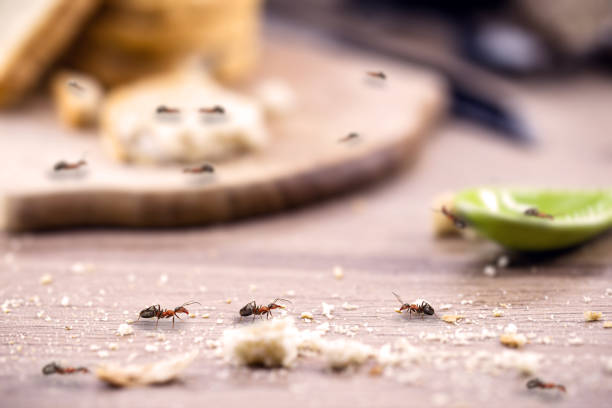
Household pests can cause significant discomfort, structural damage, and even health issues if left unmanaged. Being able to identify common pests and understanding how to prevent infestations is the first step in maintaining a safe and healthy home.
Effective Pest Removal Clearwater FL: How to Identify Common Household Pests
- Found near food sources, such as kitchens or pantries.
- Often travel in visible trails.
- Some species, like carpenter ants, can damage wooden structures.
- Typically active at night.
- Found near moisture or food sources (e.g., kitchens, bathrooms).
- Leave droppings that resemble coffee grounds or black pepper.
- Look for gnaw marks on furniture or wires.
- Droppings shaped like small pellets are a common sign.
- Scratching noises in walls or ceilings may indicate nesting activity.
- Wood that sounds hollow when tapped may indicate termite infestation.
- Mud tubes on walls or foundations are a key sign of subterranean termites.
- Tiny, reddish-brown insects often found in mattresses or furniture seams.
- Bites usually appear in clusters or lines on exposed skin during sleep.
Health Risks Associated with Household Pests
- Diseases – Cockroaches carry bacteria such as Salmonella and E. coli, while rodents can transmit Hantavirus through droppings.
- Allergies and Asthma – Dust mites and cockroach allergens can exacerbate respiratory issues.
- Bites and Stings – Bed bugs leave itchy bites; wasps or spiders may deliver painful stings.
- Food Contamination – Rodents and insects often contaminate food supplies by leaving droppings or shedding skin.
Preventing Pest Infestations
Cleaning Habits:
- Clean up crumbs immediately after meals.
- Dispose of garbage regularly in sealed bins.
- Avoid leaving dirty dishes overnight.
Home Maintenance:
- Seal cracks around windows, doors, and foundations to block entry points.
- Repair leaking pipes or faucets to eliminate moisture sources.
- Install mesh screens over vents to prevent insect access.
Food Storage:
| Type of Food | Optimal Storage Solution |
| Grains (e.g., rice) | Airtight plastic containers |
| Fresh produce | Refrigeration if applicable |
| Pet food | Sealed containers off the floor |
Final Thoughts on Pest Control
Understanding the behavior of common household pests is essential for effective prevention. By practicing proper hygiene, maintaining your home’s condition, and storing food securely, you can safeguard your living environment against unwanted intruders while minimizing potential health risks associated with infestations.
How a Pest Control Company Clearwater FL Can Help Prevent Health Risks and Structural Damages
Household pests are not just a nuisance; they can pose significant health risks and cause extensive structural damage to your property. Understanding these potential hazards is essential for maintaining both the safety of your family and the integrity of your home. Below, we explore some of the most common threats posed by pests, along with examples of how these issues can impact daily life.
Health Risks Associated with Pests
- Disease Transmission:
Certain pests are known vectors for infectious diseases, such as: - Rodents: Can transmit hantavirus, leptospirosis, and salmonella through their droppings or urine.
- Mosquitoes: Known carriers of diseases such as West Nile virus, dengue fever, Zika virus, and malaria.
- Cockroaches: Spread bacteria like E. coli and salmonella on surfaces they contact.
- Pest droppings, shed skin, or saliva (from cockroaches or dust mites) release allergens into the air that can exacerbate asthma or trigger allergic reactions in sensitive individuals.
- Stinging insects like bees or wasps may cause severe allergic reactions or even anaphylaxis in certain people.
- Bed bugs leave itchy welts on their victims; while they don’t spread disease directly, their bites can lead to secondary infections if scratched excessively.
- Fleas transmit parasites like tapeworms to pets or humans through bites.
Structural Damages Caused by Pests
Beyond health concerns, many pests are capable of causing substantial damage to the structure and contents of your home over time.
Wood-Destroying Pests
- They feed on wood cellulose, weakening support beams, floors, walls, and other wooden structures.
- Subterranean termites alone cause billions of dollars in property damage annually across the globe.
- Carpenter ants create tunnels inside wooden structures while building nests; though they don’t eat wood like termites do, their excavation weakens foundations over time.
Rodent Damage
- Rats and mice chew through drywall, electrical wiring (posing fire hazards), insulation materials, pipes, furniture upholstery—and even stored food packaging.
- Their nesting habits often lead to contamination in insulation or duct systems.
Other Structural Issues
- Cockroaches deposit grease stains on walls or ceilings while leaving droppings behind in storage spaces.
- Bird infestations (e.g., pigeons nesting in attics) may lead to roof damage due to accumulated droppings that corrode shingles over time.
| Pest Type | Common Damage | Potential Costs |
| Termites | Weakened wooden structures | Repairs could range from $3k–$8k+ per infestation |
| Rodents | Chewed electrical wiring/fires | Electrical rewiring costs vary but average $500–$2000+ |
| Cockroaches | Contaminated surfaces/grease stains | Moderate cleaning costs ($100–$500) depending on severity |
The Importance of Early Intervention
Whether it’s safeguarding your family’s health or preventing costly repairs down the line from structural issues caused by pests—it’s clear that proactive pest control measures are essential.
By identifying early warning signs (such as droppings/damage trails) while adopting preventive pest management practices regularly throughout each season—you can significantly reduce risk factors pertaining both directly tied indirectly tied harmful infestations impacting overall household well-being .
Effective Strategies for Preventing Pest Infestations in Your Home
Preventing pest infestations in your home requires a proactive and systematic approach. By addressing potential entry points, eliminating attractants, and maintaining cleanliness, you can significantly reduce the chances of pests invading your living space. Here are some effective strategies to help keep your home pest-free.
1. Seal Entry Points
Pests can enter your home through even the smallest cracks and crevices. Inspecting and sealing these openings is one of the most effective ways to prevent an infestation.
- Inspect doors and windows: Ensure all doors and windows close tightly, and use weather stripping or door sweeps where needed.
- Seal gaps around utility lines: Look for spaces around pipes, vents, and electrical lines that enter your home. Use caulk or steel wool to seal these gaps.
- Repair damaged screens: Torn window or door screens provide easy access for flying insects. Replace or repair them promptly.
- Fix foundation cracks: Check for cracks in the foundation and seal them with appropriate materials.
2. Maintain a Clean Environment
A clean home is less attractive to pests as it minimizes food sources and hiding spots.
- Proper food storage: Store food in airtight containers, especially pantry staples like grains, cereals, and pet food.
- Dispose of trash regularly: Empty trash cans frequently, ensuring lids are tightly secured to prevent attracting pests like ants or rodents.
- Clean up spills immediately: Even small crumbs or liquid spills can attract cockroaches or ants if left unattended.
- Vacuum regularly: Vacuum carpets, rugs, upholstery, and corners where dust or debris may accumulate.
3. Manage Moisture Levels
Excess moisture creates an ideal environment for many pests such as termites, mosquitoes, and silverfish.
- Fix plumbing leaks: Repair leaky faucets, pipes, or water fixtures without delay.
- Use dehumidifiers: In damp areas like basements or crawl spaces, dehumidifiers can help keep humidity levels under control.
- Maintain proper drainage: Ensure gutters are clear of debris to avoid water pooling near your home’s foundation.
4. Eliminate Outdoor Attractants
Your yard can serve as a breeding ground for pests if not properly maintained.
| Outdoor Tips | Why It Helps |
| Trim overgrown vegetation | Prevents insects from using plants as pathways |
| Keep firewood stored away from walls | Reduces hiding spots for termites |
| Remove standing water (e.g., birdbaths) | Limits mosquito breeding grounds |
| Maintain clean gutters | Prevents nesting areas above your home |
5. Monitor Regularly
Routine inspections play a crucial role in early detection of potential pest problems before they escalate into full-blown infestations.
- Set traps near entry points as early warning signs of rodents.
- Inspect dark spaces such as attics or basements periodically for signs of insects like spiders or cockroaches.
By combining these strategies with periodic professional inspections when needed (especially if you live in high-risk areas), you will create a strong defense against any common household pests trying to invade your space.

When to Call an Exterminator: Signs You Need Professional Pest Control Services
Proper pest management is essential to maintaining a healthy and safe home environment. While some minor pest issues can be addressed with DIY solutions, there are instances where professional extermination services become necessary. Below are the key signs that indicate it’s time to call an exterminator to ensure effective pest control.
Persistent Infestations
If you have tried multiple DIY and over-the-counter solutions but the pests keep returning, it may signal a deeper infestation that requires expert intervention. Pests such as termites, bed bugs, and cockroaches are particularly resilient and often require specialized treatments to eliminate them entirely.
Structural Damage
- Hollow-sounding wood: Often caused by termites weakening wooden structures.
- Chewed wires or insulation: Commonly associated with rodents like rats and mice.
- Sagging floors or ceilings: This might indicate hidden termite activity or water damage caused by pests.
Neglecting these issues not only compromises the safety of your home but can also lead to costly repairs in the future.
Health Risks
- Allergic reactions: Cockroaches, dust mites, and stinging insects like wasps can trigger allergies or asthma attacks.
- Bites or rashes: Bed bugs, fleas, and other biting pests can cause itchy welts on your skin.
- Contaminated food or surfaces: Rodents and cockroaches often carry bacteria such as Salmonella or E. coli.
Addressing these concerns through professional methods can help mitigate potential health hazards effectively.
Increased Pest Activity
- Frequent sightings of live pests during daylight hours (especially nocturnal species like cockroaches).
- Discovering droppings, shed skins, egg cases, or nests in hidden areas such as attics, basements, or behind appliances.
- Strange smells—rodents produce musty odors while bed bugs emit sweet yet unpleasant scents when present in large numbers.
Such signs suggest that the infestation may be larger than initially suspected.
Infestation of Dangerous Pests
| Pest Type | Example | Associated Risk |
| Stinging Insects | Wasps, Hornets | Severe allergic reactions |
| Venomous Spiders | Black Widows & Brown Recluses | Painful bites; tissue necrosis |
| Disease Carriers | Rodents | Spread diseases like Hantavirus |
If any of these high-risk pests take residence in your home, calling an exterminator promptly is highly advisable for safety reasons.
Preventative Measures by Professionals
Even if you don’t currently see evidence of an infestation but live in an area prone to certain pests (e.g., termites in humid regions), scheduling routine inspections with a certified exterminator can help prevent future problems. Professionals use advanced tools like thermal imaging cameras and moisture meters for early detection that isn’t possible through visual observation alone.
By recognizing these warning signs early on and seeking out qualified pest control services when necessary, you’ll be able to protect your home from unnecessary damage while ensuring the safety and well-being of your household members.
Safe and Effective Pest Control Solutions with an Exterminator Clearwater FL
Dealing with pests doesn’t always have to involve harsh chemicals or calling in professionals. Natural and DIY pest control solutions can be effective, safe, and environmentally friendly. This guide explores various methods to manage common household pests using items you may already have at home.
Benefits of Natural and DIY Pest Control
- Safety: Reduces exposure to toxic chemicals, making it ideal for households with children and pets.
- Cost-Effectiveness: Relies on inexpensive, common household items or ingredients.
- Eco-Friendly: Limits the use of synthetic pesticides that could harm beneficial insects or contaminate the environment.
- Convenience: Many natural solutions are easy to implement without special equipment.
Ants
Ants are one of the most persistent household pests. To deter them naturally:
– Vinegar Solution: Mix equal parts white vinegar and water, then spray it along ant trails or entry points. The strong smell disrupts their scent trails.
– Cinnamon: Sprinkle ground cinnamon near doorways, windowsills, and other entry points. Ants dislike its strong scent. – Lemon Juice: Squeeze fresh lemon juice in cracks or crevices where ants appear frequently.
Cockroaches
Cockroaches thrive in dark, humid places but can be controlled with these methods: – Baking Soda & Sugar Mixture: Combine baking soda with sugar in equal parts. Place small amounts near roach-prone areas; the sugar attracts them while the baking soda reacts with their digestive system. – Bay Leaves: Place bay leaves in kitchen cabinets or drawers as a natural repellent. – Soapy Water Spray: A simple mix of soap and water can kill cockroaches on contact.
Mosquitoes
Prevent mosquitoes naturally by targeting their breeding areas: – Eliminate Standing Water: Regularly empty birdbaths, flowerpots, and gutters where mosquitoes lay eggs. – Essential Oils Spray: Use essential oils like citronella, lavender, or eucalyptus diluted in water as a natural insect repellent for both indoors and outdoors. – Coffee Grounds: Sprinkle used coffee grounds into stagnant water to prevent mosquito larvae from maturing.
Rodents
To keep rodents out of your home: – Peppermint Oil: Soak cotton balls in peppermint oil and place them near entry points such as vents or holes in walls. – Steel Wool Blockage: Seal small gaps with steel wool—rodents cannot chew through it effectively. – Clutter Management: Reduce clutter around your home as it provides shelter for rodents.
Tips for Effective DIY Pest Control
Follow these best practices to improve success rates with natural pest control methods: 1. Maintain cleanliness by promptly removing food crumbs or spills that attract pests. 2. Seal cracks, crevices, and entry points around windows and doors to prevent access. 3. Store food securely in airtight containers to deter insects like ants or cockroaches. 4. Regularly dispose of garbage to avoid creating an environment conducive to pest infestations.
| Pest Type | Effective Solutions | Prevention Tips |
| Ants | Vinegar spray, cinnamon powder | Seal entry points; clean crumbs |
| Cockroaches | Baking soda & sugar mix; bay leaves | Reduce humidity; seal cracks |
| Mosquitoes | Essential oil spray; eliminate standing water | Use screens; empty containers regularly |
| Rodents | Peppermint oil; steel wool | Declutter spaces; block holes |
Natural pest control solutions are a practical way to maintain a safe living environment without relying heavily on chemical interventions. By identifying pest species early and implementing targeted strategies tailored to each type, you can successfully protect your home from unwanted invaders while promoting sustainability at the same time.
Seasonal Pest Control Strategies: Protecting Your Home from Pests Year-Round
Pests are not just a seasonal inconvenience—they can be a year-round problem if proper preventive measures are not taken. Different seasons bring different types of pests, each with unique behaviors and challenges. By understanding these seasonal trends and employing tailored pest control strategies, you can protect your home effectively throughout the year.
Spring: Addressing Emerging Pests
- Inspect for entry points: Check windows, doors, and foundations for cracks that may allow pests to enter your home.
- Eliminate standing water: Ensure gutters are clear, fix leaky pipes, and remove items that may collect rainwater to prevent mosquito breeding.
- Routine landscaping: Trim shrubs and trees near your home to reduce hiding spots for pests such as ants or rodents.
Summer: Managing High Activity Levels
- Use screens on windows/doors: Prevent flying insects like mosquitoes from entering your home by ensuring screens are intact.
- Secure trash bins: Outdoor garbage should be in tightly sealed containers to deter flies and rodents.
- Practice food safety outdoors: Store food properly during outdoor activities like barbecues or picnics to avoid attracting wasps or ants.
Fall: Preparing for Overwintering Pests
- Seal gaps: Inspect areas around pipes, vents, attic spaces, and foundations where rodents may enter; seal them with steel wool or caulking.
- Store firewood away from the house: Keep firewood at least 20 feet away from your home as it can provide both shelter and transport for wood-boring pests.
- Clean up leaves/debris: Rake fallen leaves regularly since they create ideal hiding spots for bugs close to the house.
Winter: Preventing Indoor Infestations
| Pest Type | Prevention Strategy |
| Rodents (Mice/Rats) | Use bait traps in attics/garages; store food securely |
| Cockroaches | Deep clean kitchens; eliminate crumbs/spills |
| Spiders | Vacuum corners regularly; remove webs |
Additionally: – Install door sweeps on exterior doors. – Reduce clutter in basements or storage areas where pests might hide.
Benefits of Year-Round Pest Control
Implementing seasonal pest control strategies ensures a proactive approach rather than reactive measures when infestations occur unexpectedly. Regular monitoring helps mitigate health risks associated with pest-borne diseases while protecting property from structural damage caused by termites or rodents.
By staying vigilant each season with specific prevention methods tailored to common threats at that time of year, you can maintain a safe and comfortable living space free of unwanted intrusions all year long.
- Effective Pest Control Tips from a Trusted Exterminator Clearwater FL Residents Rely On
- Common Household Bugs and How Clearwater Pest Control Can Help Eliminate Them
- Finding a Reliable Pest Control Company Clearwater FL for a Healthy and Safe Home Environment
- Effective Clearwater Pest Control for a Safer and Healthier Environment
- Effective Clearwater Pest Control: A Comprehensive Guide to Identifying and Preventing Infestations
- Effective Clearwater Pest Control: A Comprehensive Guide to Identifying and Preventing Common Household Pests
- Effective Solutions Offered by a Pest Control Company Clearwater FL for Eliminating Pests
- The Limitations of DIY Pest Control and Why Hiring an Exterminator Clearwater FL is More Effective
Effective Clearwater Pest Control: A Comprehensive Guide to Identifying and Preventing Common Household Pests

Household pests are more than just an inconvenience; they can pose health risks, damage property, and disrupt daily life. Understanding the most common household pests and how to prevent them is essential for maintaining a safe and comfortable home environment. Below is a detailed guide to help you identify these pests and take proactive measures to address their presence.
Common Household Pests
- Key Characteristics: Small bodies, sharp teeth, long tails.
- Signs of Infestation: Droppings, gnawed furniture or wires, scratching noises in walls or ceilings.
- Risks: Spread diseases such as salmonella and hantavirus; chew wires, creating fire hazards.
- Key Characteristics: Flat-bodied insects with six legs and long antennae.
- Signs of Infestation: Musty odor, droppings resembling coffee grounds, shed skins near hiding spots.
- Risks: Trigger allergies or asthma; contaminate food sources.
- Key Characteristics: Small insects that work in large colonies; some species destroy wood structures (e.g., carpenter ants).
- Signs of Infestation: Trails of ants or small piles of sawdust near wooden structures.
- Risks: Damage to wood structures; food contamination.
- Key Characteristics: White or light-brown insects often mistaken for ants but differ due to soft bodies and straight antennae.
- Signs of Infestation: Hollow-sounding wood, mud tubes on walls or foundations, discarded wings near windowsills.
- Risks: Severe structural damage that can compromise the integrity of homes.
- Key Characteristics: Small, oval-shaped reddish-brown insects typically found in mattresses and furniture crevices.
- Signs of Infestation: Red bite marks on skin, dark fecal spots on bedding or furniture.
- Risks: Skin irritation from bites; psychological distress due to nocturnal feeding habits.
- Key Characteristics: Eight-legged arachnids often found in corners or dark areas indoors. Indications Webbing beyond secluded small crevice trails
Identifying Pest Infestation Signs and How a Pest Control Company Clearwater FL Can Help
Pest infestations can cause significant damage to your property, health risks for your family, and a general sense of discomfort in your home. Identifying the early signs of pest activity is crucial for tackling the problem before it worsens. Below, we explore some common indicators of pest infestations and actionable steps to address them effectively.
Common Signs of Pest Infestation
- Rodents like mice or rats often leave behind small pellet-like droppings.
- Cockroaches produce dark smear marks in damp areas.
- You may also detect musty or oily odors from certain pests such as cockroaches or bed bugs.
- Gnawed furniture, wires, or insulation often points to rodents.
- Holes in wood structures indicate termites or carpenter ants at work.
- Spotting live insects (like ants or cockroaches) or rodents during daylight often signals a severe infestation.
- Rodents build nests using shredded paper, fabric, or insulation materials.
- Wasps create papery nests under eaves or inside wall voids.
- Scratching sounds behind walls, ceilings, or floorboards are often caused by rodents moving around at night.
How to Address Pest Infestations
Once you recognize an infestation, it’s important to act swiftly using effective strategies tailored to the type of pest problem you’re dealing with.
- Identify the Type of Pest: Determine whether you’re dealing with insects (e.g., ants), arachnids (e.g., spiders), or rodents like mice and rats. Proper identification ensures that the control methods you use are effective.
- Sanitation Measures: Keeping your home clean is one of the most critical steps in both addressing and preventing infestations:
- Remove food crumbs from surfaces.
- Clean spills promptly.
- Store food in airtight containers.
- Empty trash bins regularly.
- Seal Entry Points: Inspect your home for gaps around doors, windows, plumbing pipes, and foundation cracks: | Area | Solution | |——————|——————————| | Doors/Windows | Install weather stripping | | Foundation Cracks| Use caulk | | Vents | Add fine mesh screens |
- Use Traps & Deterrents: Deploy traps such as snap traps for rodents or sticky traps for crawling insects as an immediate solution for visible pests.
- Engage Professional Help When Necessary: If an infestation becomes unmanageable (e.g., termites actively damaging wood), contacting professional pest control services ensures thorough treatment while minimizing hazards.
Preventive Maintenance Post-Treatment
After addressing an existing infestation: – Regularly inspect high-risk areas like basements and attics. – Monitor humidity levels within your home since moisture attracts pests. – Schedule seasonal exterminator inspections if you live in regions prone to recurring pest issues.
By recognizing these early warning signs and taking swift action through effective interventions as outlined above, homeowners can maintain a safe and comfortable living environment year-round while minimizing long-term damage costs associated with unchecked pest problems.
Effective Strategies from an Exterminator Clearwater FL for Preventing Pesky Pest Infestations in Your Home
Preventing pest infestations in your home requires a proactive approach, combining cleanliness, home maintenance, and targeted deterrent strategies. Below is a detailed guide to help safeguard your living space from unwanted pests.
1. Maintain a Clean Environment
- Wipe down kitchen counters and tables after meals.
- Sweep or vacuum regularly to remove crumbs and debris.
- Empty trash bins daily to prevent odors that attract pests.
- Store dry goods like cereals, rice, and flour in airtight containers.
- Keep pet food sealed when not in use to avoid attracting ants or rodents.
- Avoid leaving dirty dishes in the sink overnight.
- Rinse plates thoroughly before placing them in the dishwasher.
2. Seal Entry Points
- Use caulk or weatherstripping around windows and doors.
- Repair torn screens on windows or vents.
- Plug holes around utility pipes with steel wool or foam sealant.
- Install door sweeps under exterior doors to block access for insects.
| Entry Point | Recommended Fix |
| Cracks in walls | Apply silicone-based caulk |
| Gaps around plumbing | Fill with steel wool or foam sealant |
| Broken window screens | Replace or repair screens |
3. Reduce Moisture Levels
- Fix leaky faucets, pipes, or drainage systems promptly.
- Use dehumidifiers in basements or other damp spaces.
- Improve ventilation by installing exhaust fans in bathrooms and kitchens.
4. Outdoor Maintenance
- Trim bushes, trees, and shrubs so they don’t touch the house; they can act as bridges for insects.
- Remove standing water near the property by emptying birdbaths or unclogging gutters.
- Store firewood at least 20 feet away from your home’s foundation.
5. Adopt Preventive Treatments
- Use essential oils like peppermint oil for spiders or citrus sprays for ants.
- Sprinkle diatomaceous earth along baseboards to deter crawling insects.
- Apply insecticide sprays around door frames and windows as a barrier.
- Use baits for specific pests such as cockroaches or ants.
By incorporating these strategies into your household routine, you can create an environment that is less appealing to pests while maintaining a healthy living space for you and your family. Regular monitoring combined with preventive measures ensures long-term protection against potential infestations.
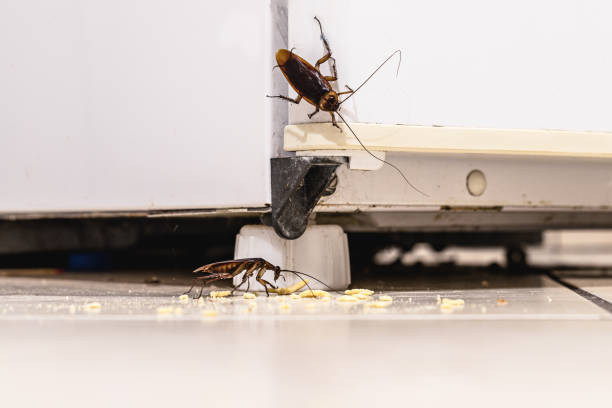
Effective Pest Removal Clearwater FL: Exploring Natural and Chemical Deterrents
When it comes to managing pests in your home, the debate between natural and chemical deterrents is ongoing. Both options have their advantages, and understanding how to use them effectively can help you create a safer, pest-free environment. Below is an exploration of both methods, including their benefits, limitations, and practical applications.
Natural Pest Deterrents
Natural pest control methods rely on eco-friendly and non-toxic solutions that are safe for humans, pets, and the environment. These methods are particularly popular among households looking to avoid chemical exposure.
Common Natural Solutions:
– Essential Oils: Certain essential oils like peppermint, eucalyptus, lavender, and citronella are known to repel pests such as ants, mosquitoes, and spiders. – Diatomaceous Earth (DE): A fine powder made from fossilized algae that dehydrates insects like cockroaches or bedbugs upon contact. – Vinegar Spray: A mixture of vinegar and water can deter ants or fruit flies from kitchen counters. – Herbs & Plants: Basil, mint, rosemary, and marigolds act as natural repellents when placed near windows or doorways.
Advantages of Natural Deterrents:
– Non-toxic: Safe for children and pets. – Environmentally friendly: Leaves no harmful residue or pollutants. – Cost-effective: Many natural solutions utilize household items.
Limitations:
– Time-consuming: May require frequent reapplication to remain effective. – Less impact on severe infestations: Natural solutions often work better as preventive measures than eradication tools.
Chemical Pest Deterrents
Chemical deterrents often provide immediate results due to their ability to target pests at various stages of life. They are commonly used in cases where infestations have already taken hold or when natural methods prove ineffective.
Types of Chemical Solutions:
| Product Type | Pests Targeted | Application Method | |———————–|—————————–|————————————-| | Insecticides | Ants, cockroaches | Sprays applied to cracks/crevices | | Rodenticides | Rats/mice | Bait traps or poison stations | | Fumigants | Bedbugs/termites | Gas treatment; requires sealing | | Larvicides | Mosquitoes | Used in stagnant water areas |
Advantages of Chemical Deterrents:
– High efficacy: Provides quick action against large infestations. – Long-lasting effects: Many products remain active for weeks after application. – Targets specific pests: Customizable solutions based on infestation type.
Limitations:
– Health risks: Potentially toxic if not used as directed. – Environmental concerns: Overuse can harm non-target species and pollute ecosystems. – Resistance development: Over time, some pests may adapt to certain chemicals.
Choosing the Right Approach
Deciding between natural or chemical deterrents depends on several factors such as the level of infestation, type of pest involved, household preferences (e.g., children/pet safety), and long-term sustainability goals. In many cases, an integrated approach combining both methods proves most effective.
Tips for Integrated Pest Management (IPM): 1. Start with prevention by sealing entry points like cracks or gaps in walls/windows. 2. Use natural repellents regularly to maintain a pest-resistant barrier indoors/outdoors. 3. If an infestation occurs despite preventive measures: – Begin with targeted chemical treatments in affected areas only. – Monitor pest activity after treatment before deciding on additional action.
By balancing safety with effectiveness through informed decision-making about deterrent types used at home—whether naturally sourced remedies or professional-grade chemicals—you can ensure sustainable pest control outcomes suitable for your living space needs.
Seasonal Pest Challenges: How Changing Seasons Impact Pest Activity and Prevention
Pest activity often fluctuates with the changing seasons, as various pests thrive in specific environmental conditions. Understanding how the seasons influence pest behavior is crucial for timely and effective prevention. By anticipating these challenges, homeowners can implement targeted strategies to protect their homes year-round.
Spring: A Season of Awakening Pests
- Ants: Colonies expand during spring, seeking food sources indoors.
- Termites: Swarming season for reproductive termites occurs in early spring.
- Mosquitoes: Eggs laid in stagnant water begin hatching.
Prevention Tips:
- Seal cracks and gaps in walls or foundations to block entry points for ants and termites.
- Eliminate standing water around your home to reduce mosquito breeding grounds.
- Trim back vegetation that touches the exterior of your home to limit access points.
Summer: Peak Activity for Many Pests
- Wasps and Bees: Colonies grow larger, increasing their activity around homes.
- Flies: Attracted by heat and accessible food sources during outdoor activities.
- Ticks: Active in wooded areas or tall grass.
Prevention Tips:
- Keep food covered during outdoor gatherings to deter flies.
- Regularly inspect pets and family members for ticks after spending time outdoors.
- Use wasp traps or deterrents near patios or decks but away from high traffic areas.
| Pest | Key Risk Areas | Suggested Action |
| Wasps & Bees | Near eaves or gardens | Remove nests carefully or hire a professional |
| Flies | Trash bins, kitchens | Use fly traps; dispose of waste promptly |
| Ticks | Grassy areas | Wear protective clothing; use tick repellents |
Fall: Preparing for Overwintering Pests
- Rodents (mice, rats): Enter homes through small openings searching for warmth.
- Spiders: Move indoors to hunt other pests.
- Stink Bugs: Look for warmth inside walls or attics.
Prevention Tips:
- Inspect your home’s exterior for potential entry points like small holes or cracks.
- Use weather stripping around windows and doors to prevent entry.
- Store firewood away from the house as it can harbor bugs like stink bugs.
Winter: Dormancy vs Indoor Infestations
- Cockroaches: Thrive in warm indoor environments with access to food crumbs.
- House Mice: Nest indoors throughout winter, targeting stored food supplies.
Prevention Tips:
- Keep kitchen counters clean and free of crumbs that attract cockroaches.
- Use mouse traps or bait stations near suspected nesting areas such as basements or attics.
By tailoring pest control strategies based on seasonal behavior patterns, you can effectively minimize infestations throughout the year. This proactive approach not only protects your home but also ensures a healthier living environment.
- Effective Pest Control Tips from a Trusted Exterminator Clearwater FL Residents Rely On
- Common Household Bugs and How Clearwater Pest Control Can Help Eliminate Them
- Finding a Reliable Pest Control Company Clearwater FL for a Healthy and Safe Home Environment
- Effective Clearwater Pest Control for a Safer and Healthier Environment
- Effective Clearwater Pest Control: A Comprehensive Guide to Identifying and Preventing Infestations
- Effective Clearwater Pest Control: A Comprehensive Guide to Identifying and Preventing Common Household Pests
- Effective Solutions Offered by a Pest Control Company Clearwater FL for Eliminating Pests
- The Limitations of DIY Pest Control and Why Hiring an Exterminator Clearwater FL is More Effective